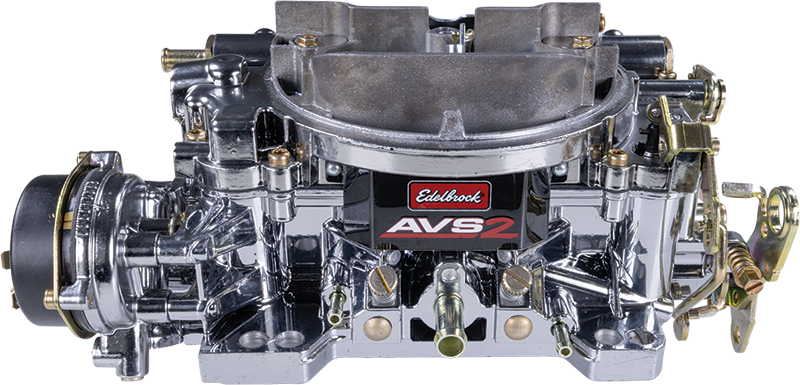
The Edelbrock AVS2 carburetor has become a popular choice among performance enthusiasts because it blends traditional carburetor simplicity with several modern engineering improvements. While it may look similar to many standard four-barrel carburetors on the outside, its internal design and tuning capabilities set it apart. These differences improve throttle response, drivability, and overall engine performance.
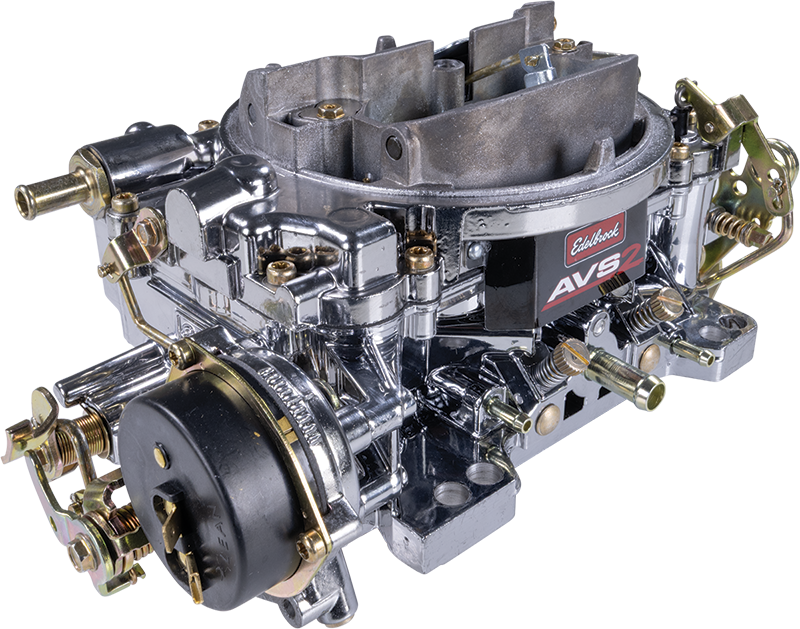
Here are five key features that make the Edelbrock AVS2 unique compared to most standard carburetors.
1. Annular Flow Booster Technology
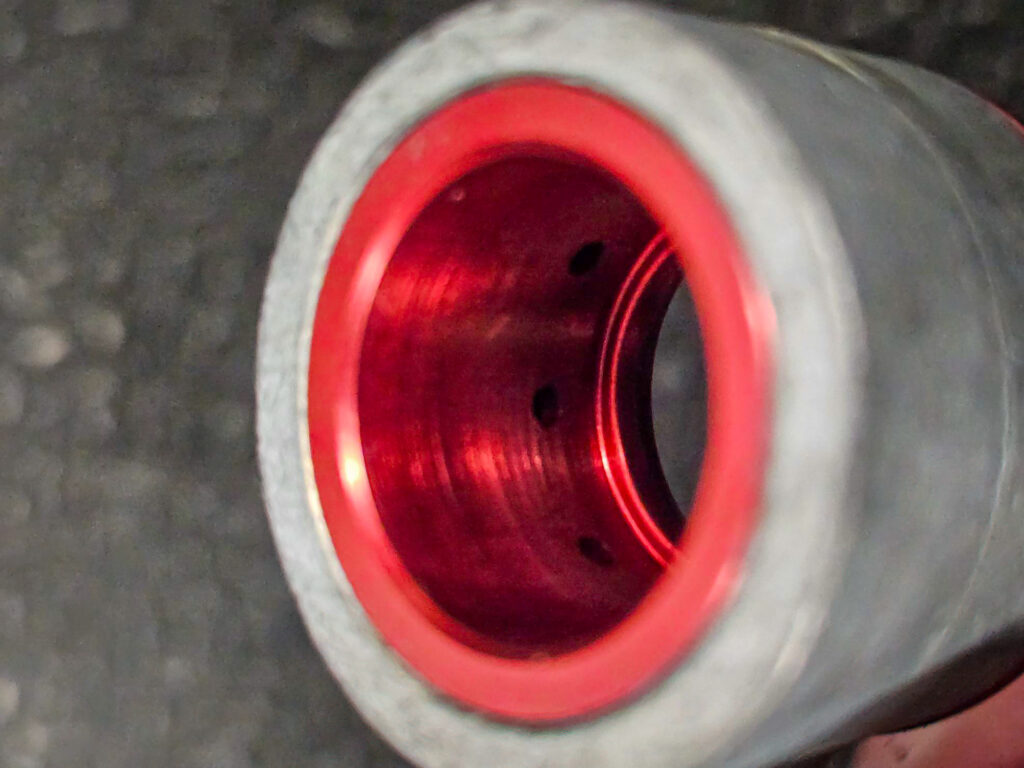
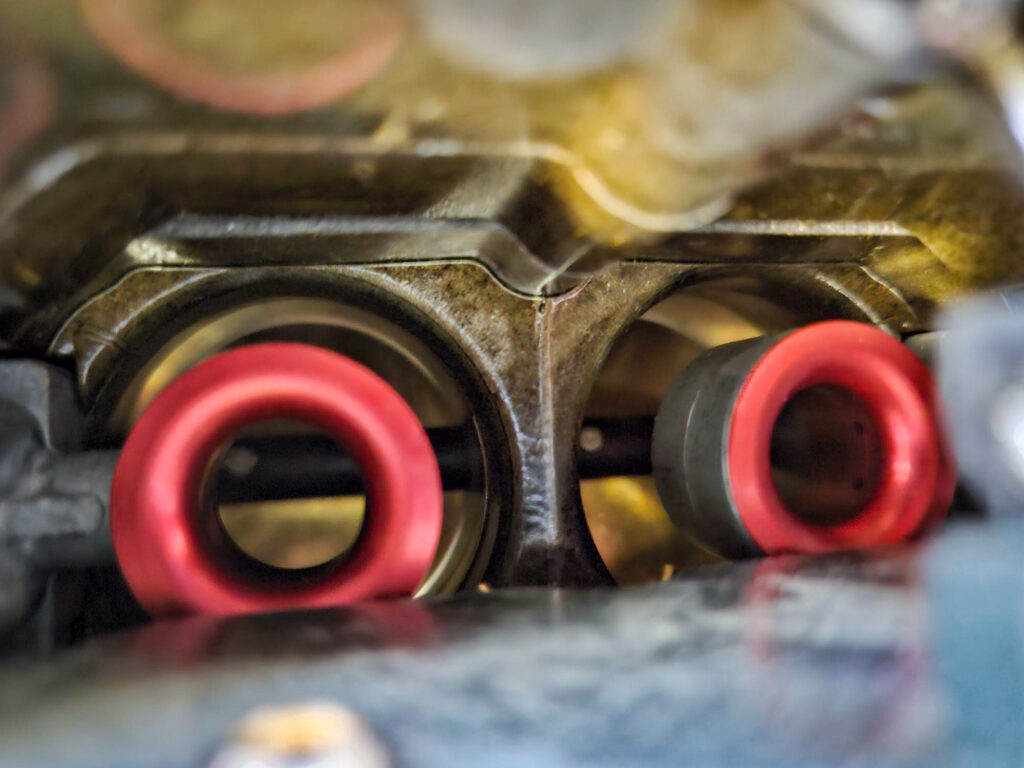
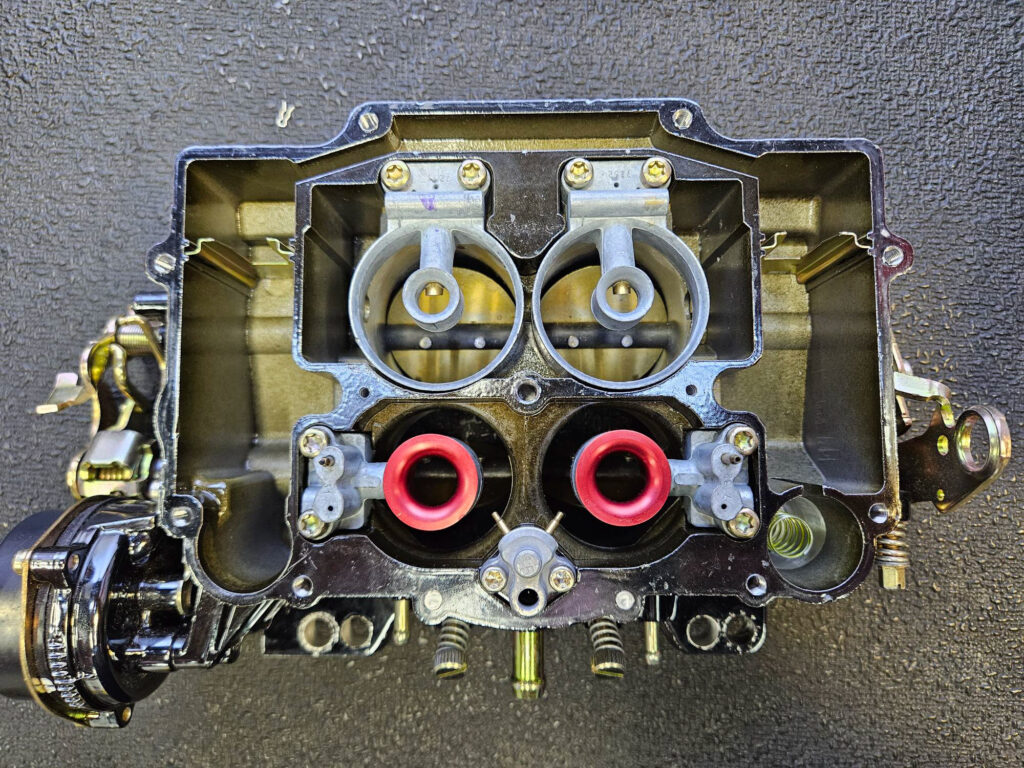
One of the most significant differences of the Edelbrock AVS2 is its use of annular-flow boosters in the primaries. Unlike standard carburetors that typically use down-leg boosters with a single fuel outlet, the AVS2 boosters feature multiple small discharge holes arranged around the booster ring.
This design creates a cone-shaped fuel spray that mixes more evenly with incoming air. The result is finer fuel atomization, which improves combustion efficiency and reduces hesitation when accelerating. Because the fuel is distributed more evenly as it enters the airflow, engines equipped with an AVS2 often experience smoother performance during low-speed driving and part-throttle operation.
2. Improved Throttle Response
Another key advantage of the AVS2 is its noticeably improved throttle response. The annular booster design and refined fuel circuits allow fuel to enter the airflow more quickly and consistently when the throttle is opened.
Compared with many standard carburetors, drivers often notice that the engine responds immediately when the accelerator is pressed. This improvement is especially beneficial during off-idle acceleration and mid-range driving, where traditional carburetors sometimes experience hesitation or “flat spots.”
3. Adjustable Secondary Air Valve System of the AVS2
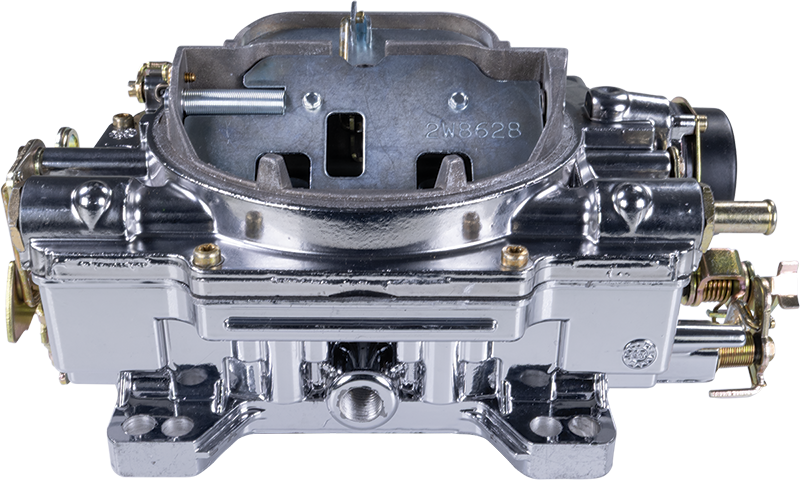
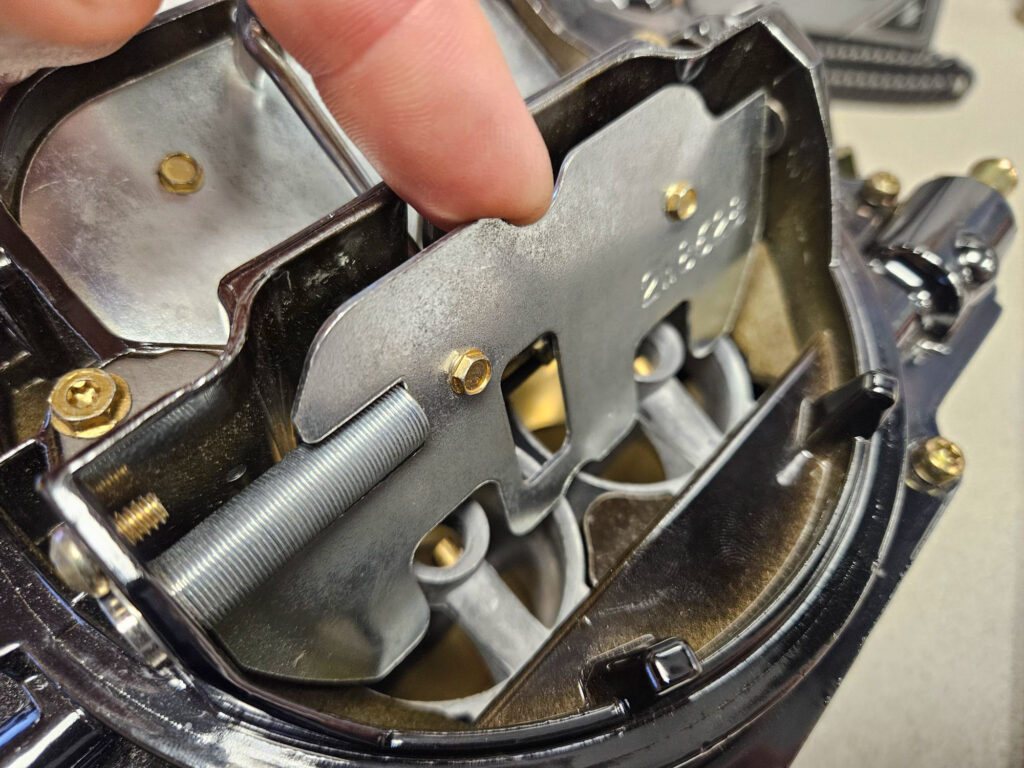
Most standard carburetors rely on mechanical or vacuum-actuated secondary systems with limited adjustability that introduce fuel as soon as the secondaries begin to open, often leading to that dreaded stumble. Edelbrock’s Performer Series (EPS) and AVS2 combat that with an air valve — a flap above the secondaries that operates on engine demand. On the EPS Carburetors, the air valve is a counterweighted flap that doesn’t require diaphragms or springs to operate. On the AVS2, it is an adjustable spring.
Both essentially work the same way. The primary and secondary throttle shafts are mechanically linked, so when the throttle is depressed towards WOT, the secondary blades begin to open. With the air valve closed, there is no signal to pull fuel from the secondary boosters. However, when approximately 200 CFM of air flows through the carb (at sea level), the air valve opens, thereby activating fuel to enter the airstream. The designs work excellently; the only difference is that one uses non-adjustable counterweights and the other is spring-tensioned.
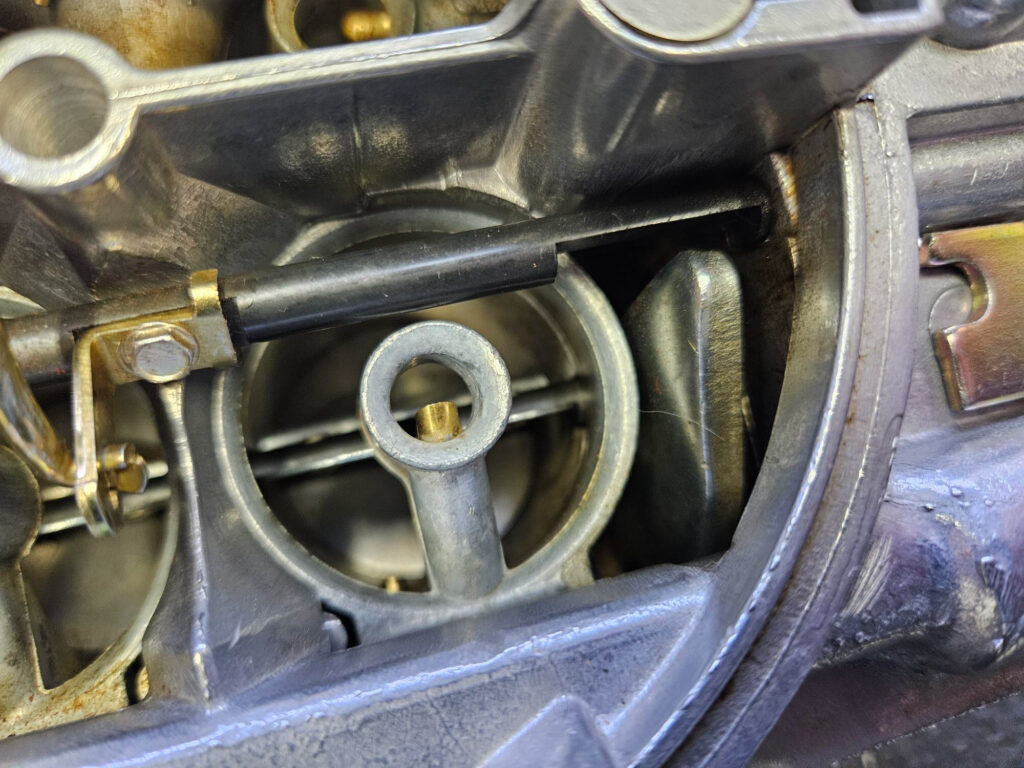
With the newer AVS2 design, the air valve door features adjustable spring tension, making it much easier to fine-tune how quickly the secondaries operate. Though it is often not necessary, the spring can be adjusted by a screw on the side to tune for engine size, vehicle weight, and gearing. It is a game-changer, making it much easier to adjust for combinations that may experience a flat spot because the door is closed too long in transition.
4. Easier Tuning and Calibration
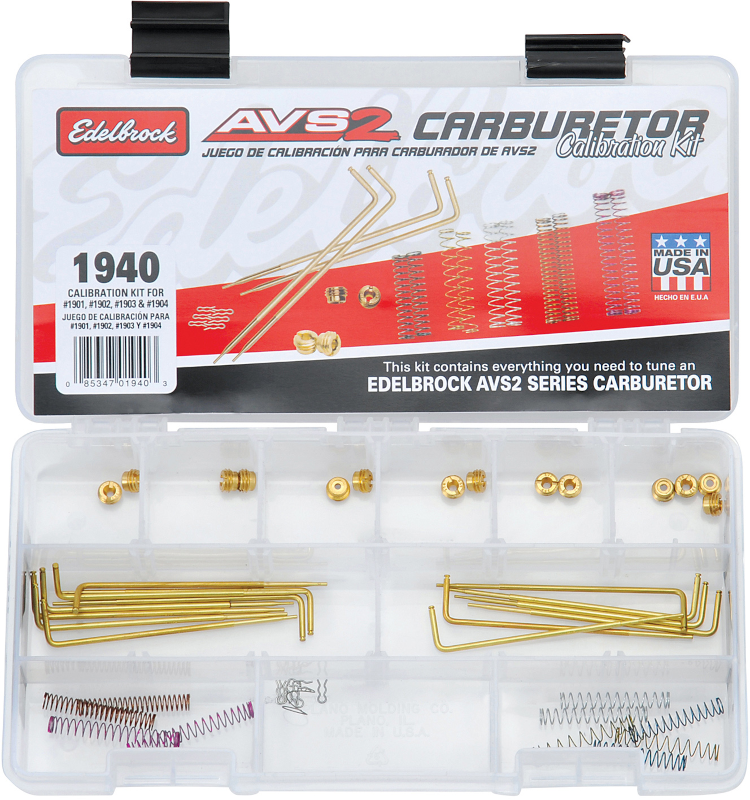
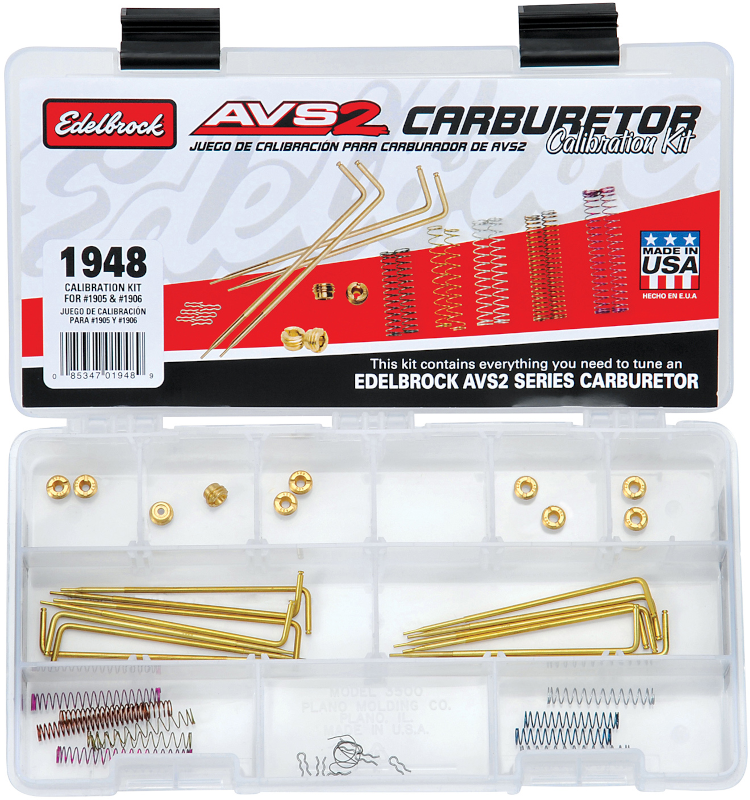
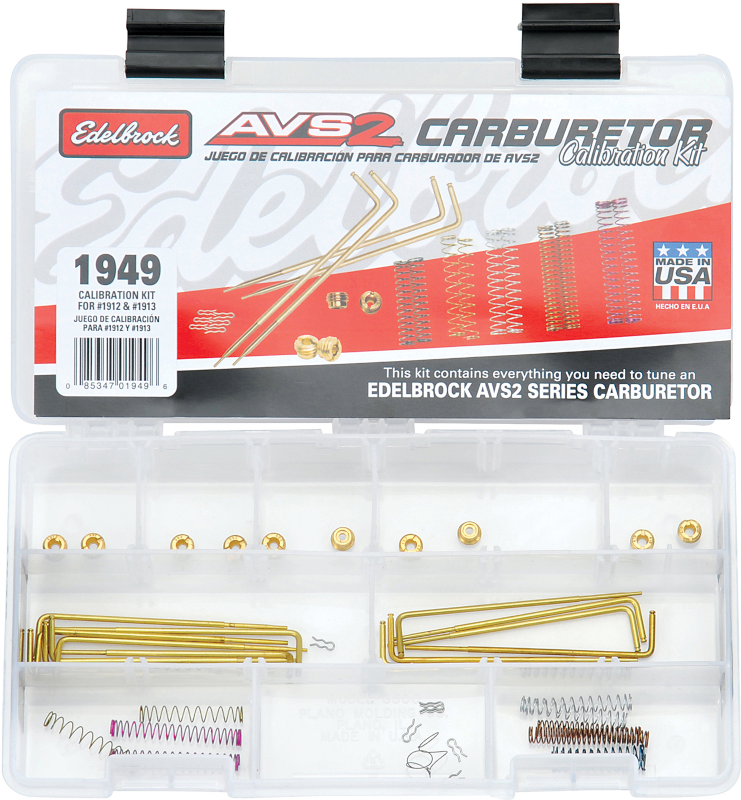
The Edelbrock AVS2 is designed with tunability in mind. Edelbrock provides calibration kits that include different jets, metering rods, and springs, allowing users to easily adjust the carburetor for various engine combinations and driving styles.
Unlike some traditional carburetors that require extensive disassembly, the AVS2’s design makes many adjustments simpler and more accessible. This allows enthusiasts to dial in the correct air-fuel mixture for better performance and fuel efficiency without complicated modifications.
5. Lightweight and Leak-Resistant Construction of the AVS2
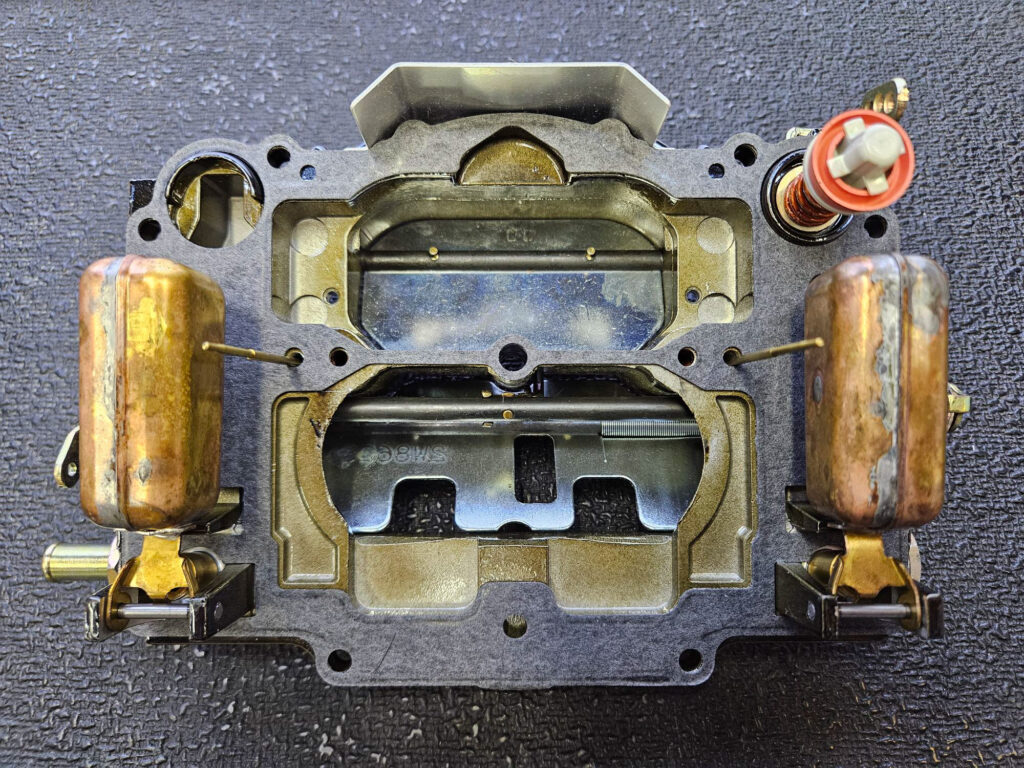
Another feature that sets the AVS2 apart is its all-aluminum construction and leak-resistant design. The aluminum body keeps the carburetor lightweight while still providing durability for street or racing applications.
Additionally, the AVS2 is designed so that there are no gaskets below the fuel bowl level, reducing the likelihood of fuel leaks. This makes it more reliable in demanding environments such as performance driving, towing, or off-road applications.
Conclusion on the AVS2
The Edelbrock AVS2 stands out from many standard carburetors because of its thoughtful engineering and performance-focused design. Its annular flow boosters improve fuel atomization, while the adjustable secondary air valve enables precise tuning. Combined with improved throttle response, simplified calibration options, and a lightweight, leak-resistant construction, the AVS2 offers a significant upgrade over traditional carburetor designs.
For enthusiasts looking to improve drivability and engine performance without moving to electronic fuel injection, the Edelbrock AVS2 delivers modern performance while maintaining the simplicity that carburetors are known for.
If you like this, also check out our article about the new VRS-4150 to see what makes it different than most.