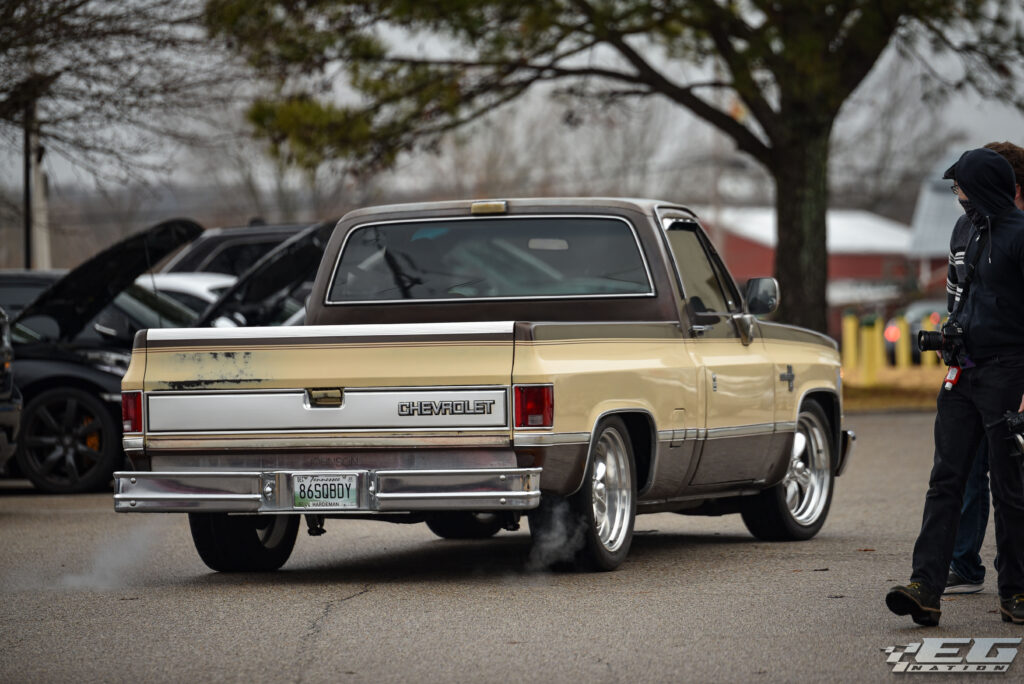
Few sounds in the automotive world turn heads like the uneven idle of a cammed V-8. That unmistakable rump-rump-rump rhythm — often called “thump” or “lope” — has become a signature sound of performance engines. To enthusiasts, those thumps signal power and aggressive tuning, but the sound isn’t just for show. That lopey idle is a side effect of specific camshaft design choices for increased horsepower or torque that change how an engine breathes at low RPM.
Understanding what makes a cam thump requires examining key camshaft characteristics that influence engine behavior: duration, valve overlap, and lobe separation angle (LSA).
The Camshaft
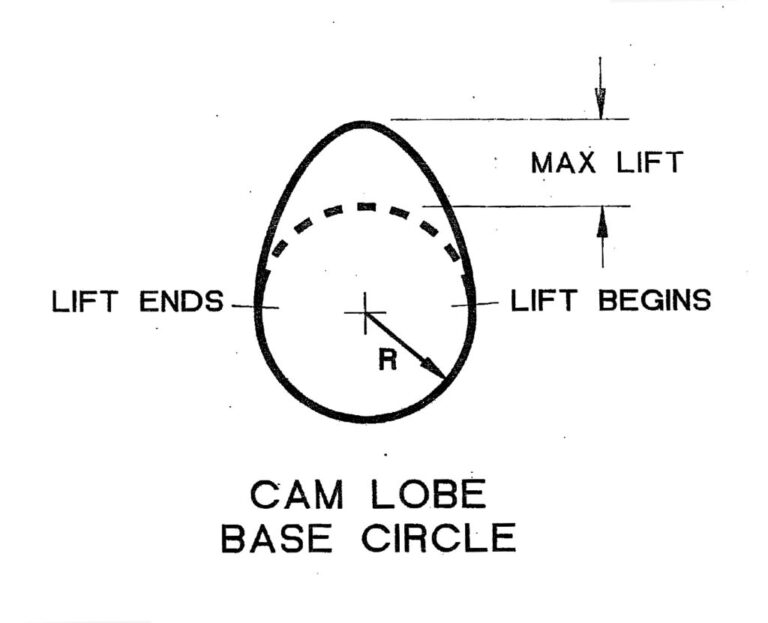
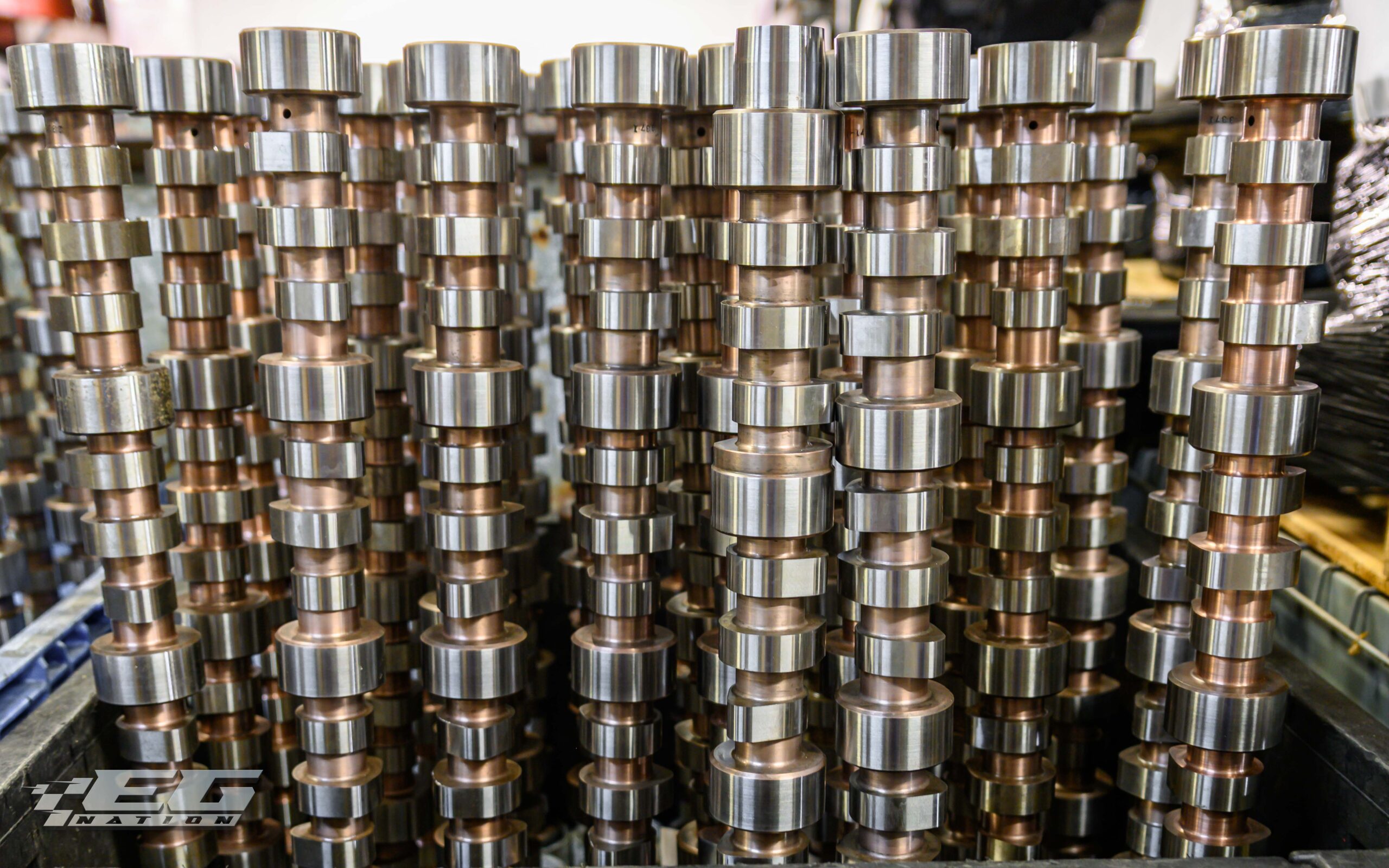
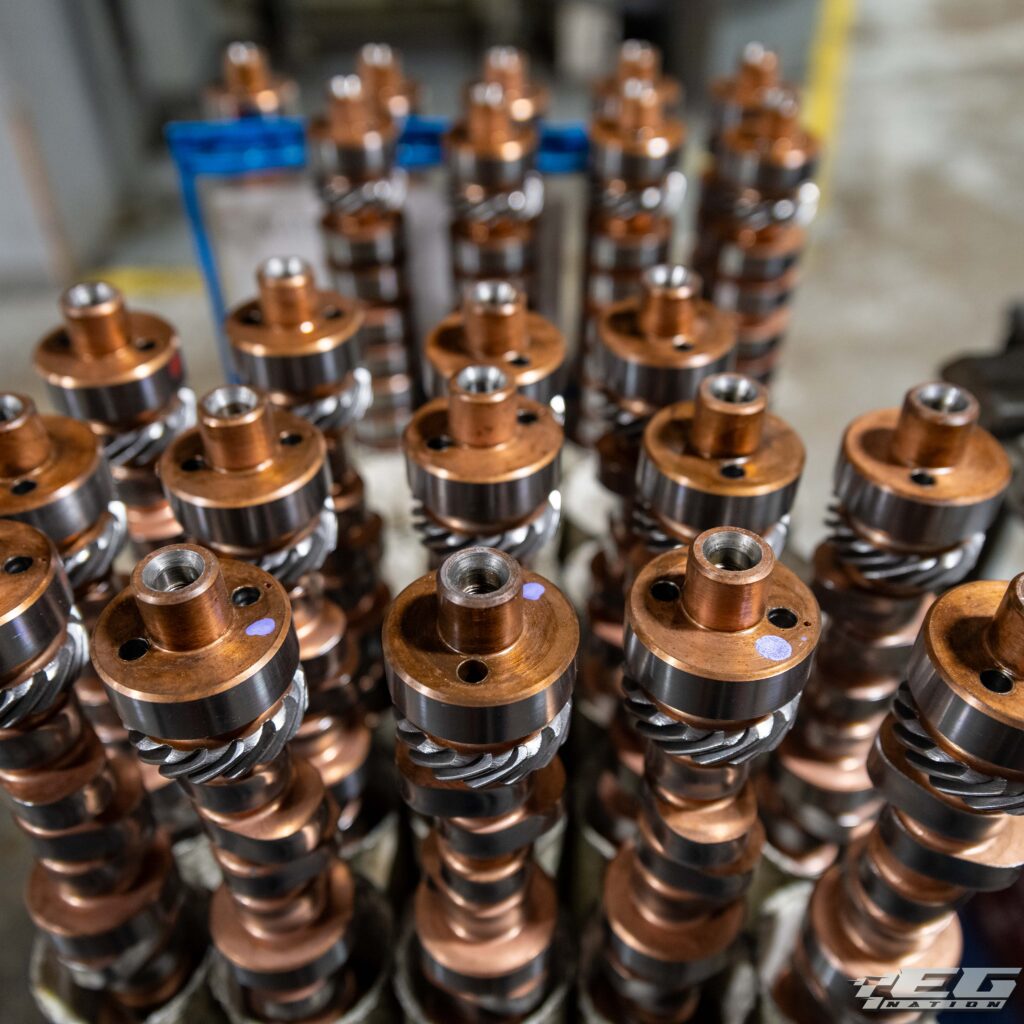
If you consider the engine essentially a big air pump, then the camshaft is the control unit that moves air through it. The camshaft plays an important role by converting rotational motion into translational motion. It is responsible for opening and closing the intake and exhaust valves in precise timing with the crankshaft’s rotation. Each lobe on the camshaft pushes a valve open at a specific moment, allowing air and fuel into the cylinder or letting exhaust gases escape.
Performance camshafts are designed to maximize airflow and power at higher RPM. However, these aggressive designs often come with side effects at idle. When cam timing is optimized for power instead of smooth operation, the result is an uneven combustion rhythm. That irregular rhythm is what creates the distinctive thumping idle many enthusiasts love.
Camshaft Duration and Why It Affects Idle
One of the primary factors that contributes to a cam’s lopey idle is duration, which refers to how long the intake or exhaust valve remains open during the engine’s rotation. It’s measured in degrees of crankshaft rotation. Performance camshafts typically use longer duration to allow more air and fuel to enter the cylinder at higher engine speeds. At higher RPM, this extended valve opening helps increase airflow and, therefore, horsepower.
However, at idle, airflow through the engine is slow. With longer duration cams, some of the air-fuel mixture can move backward or escape before combustion occurs during the overlap period. This results in inconsistent cylinder filling. Because each cylinder fires slightly differently, the engine speed fluctuates instead of running smoothly. Those fluctuations produce the uneven exhaust pulses heard as a cam “thump.” Essentially, what you’re hearing is a bunch of misfires because of that uneven or inconsistent mixture.
Valve Overlap: The Biggest Reason for Cam Thump
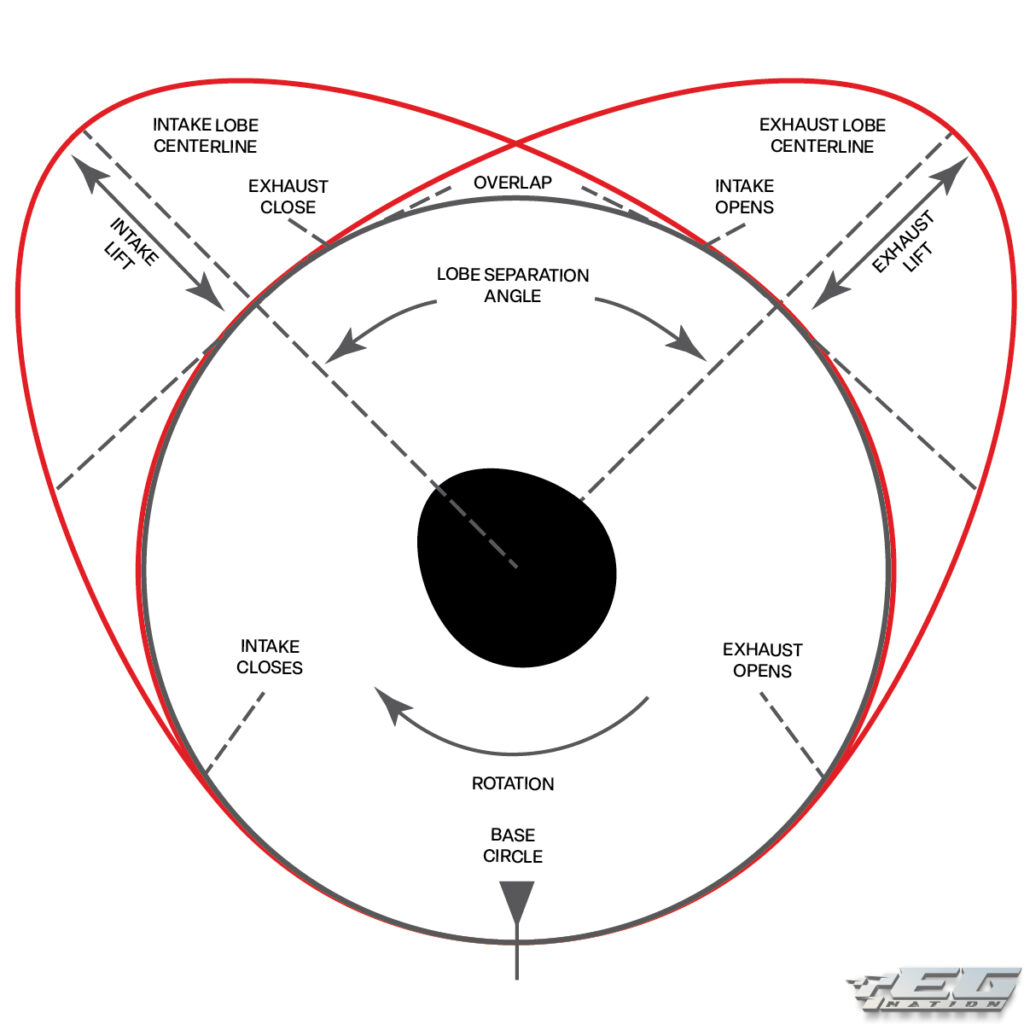
The single biggest contributor to a lopey cam idle is valve overlap (as seen above). This occurs when the intake valve opens before the exhaust valve has fully closed. For a brief moment, both valves are open simultaneously.
In performance engines, overlap helps improve high-RPM efficiency. As exhaust gases leave the cylinder, they help pull fresh intake charge into the combustion chamber. This process, known as scavenging, improves airflow and power at higher engine speeds.
At idle, though, the effect is very different. Because airflow is slow, exhaust gases can flow backward into the cylinder and mix with the incoming air-fuel mixture. This dilutes the charge and causes uneven combustion across cylinders. The result is the irregular firing pattern that creates the classic camshaft lope.
Lobe Separation Angle and Camshaft Sound
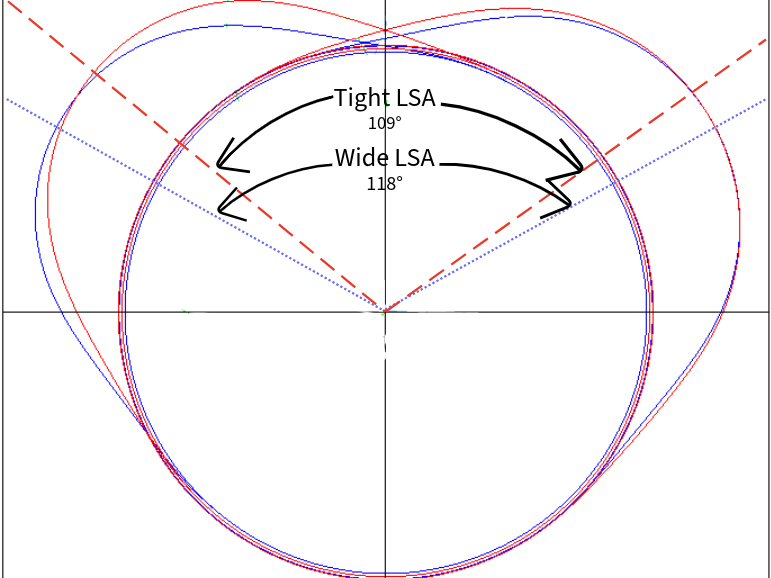
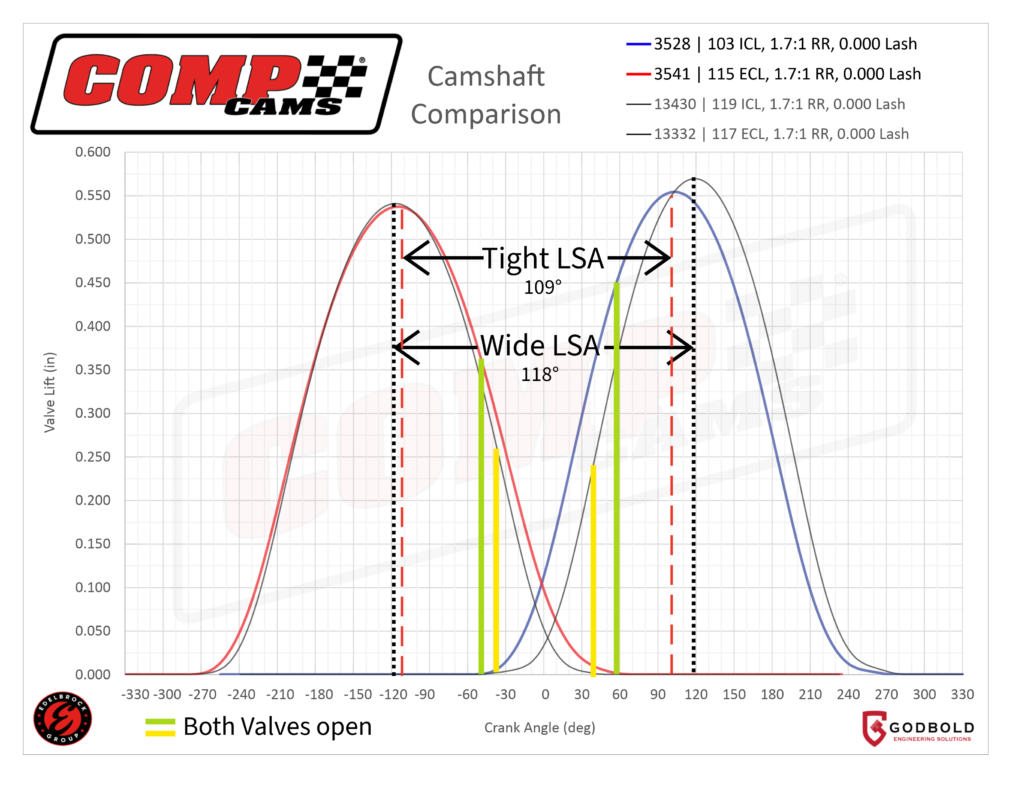
Another major factor in camshaft idle characteristics is the lobe separation angle (LSA). LSA refers to the angle between the centerlines of the intake and exhaust lobes on the camshaft. It plays a large role in determining the amount of valve overlap.
Camshafts generally fall into two categories:
Wide LSA (111–118 degrees)
- Smoother idle
- Higher vacuum
- Broader powerband
Tight or Narrow LSA (106–110 degrees)
- Increased valve overlap
- Rougher idle
- Stronger mid-range torque
Performance camshafts that have an aggressive idle sound often use tighter lobe separation angles. This increases overlap and exaggerates the uneven combustion rhythm that produces the familiar “thump.”
Why Cammed Engines Idle Rough
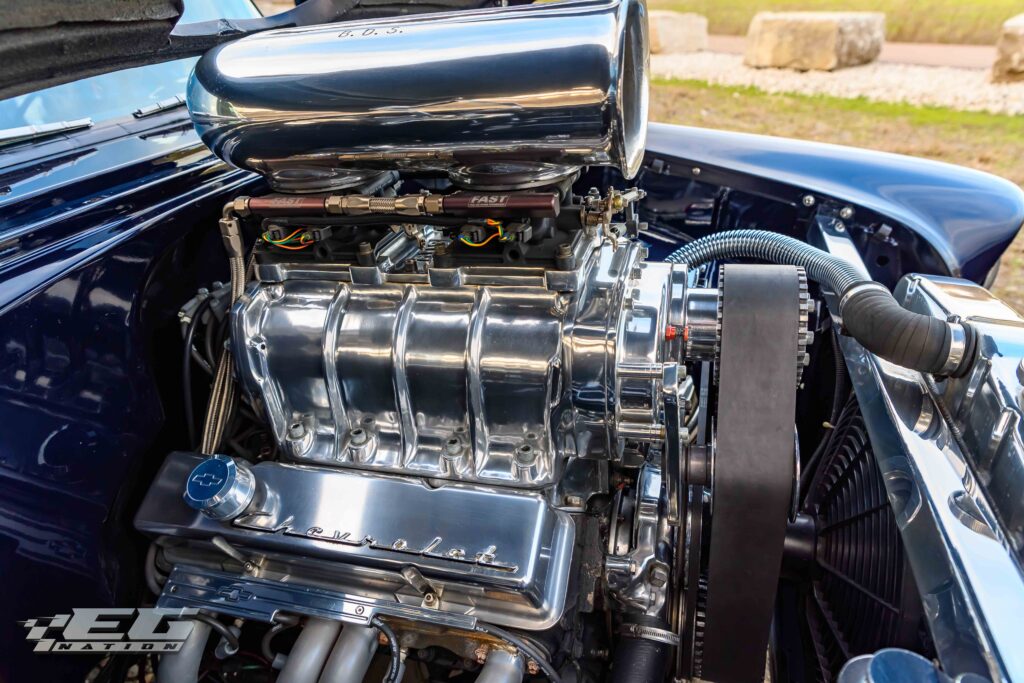
A cammed engine idles roughly because aggressive camshaft timing disrupts the balance of airflow and combustion at low engine speeds. Large duration and heavy overlap reduce the amount of vacuum the engine produces at idle. That makes the combustion process less stable, causing the engine to surge slightly between firing events. Instead of a smooth, constant idle speed, the engine produces alternating pulses. Those pulses travel through the exhaust system and create the deep, rhythmic sound that enthusiasts describe as a lumpy idle or cam lope.
The Pipes Matter Too
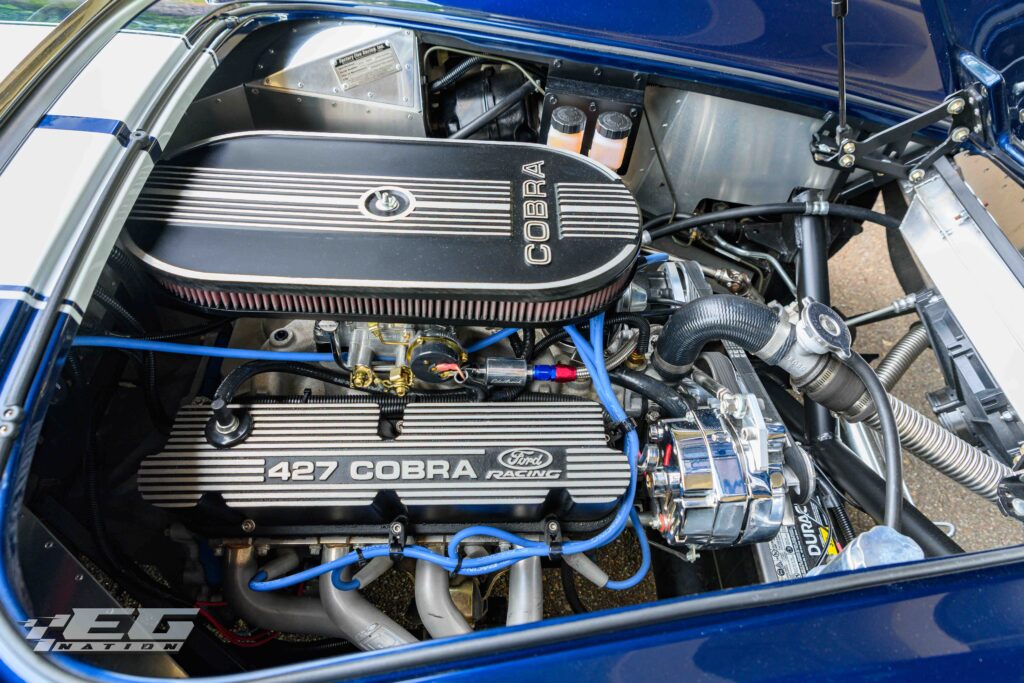
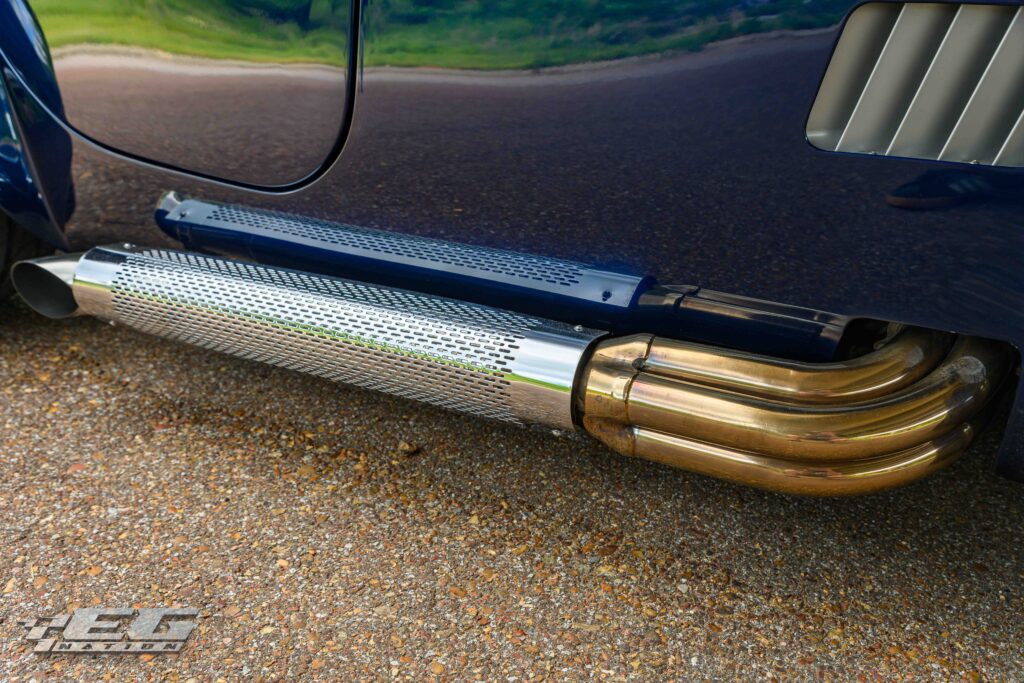
While the camshaft creates an uneven firing pattern, the exhaust system plays a big role in how pronounced the sound becomes. Several factors influence how strongly the cam’s thump is heard:
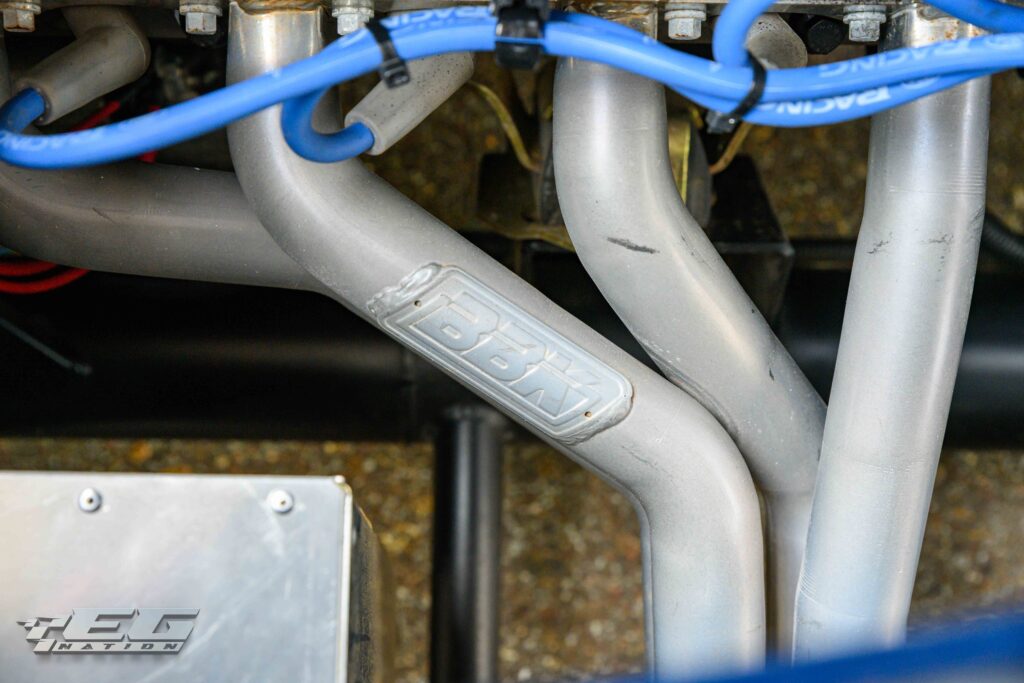
- Long-tube headers
- Larger diameter exhaust pipes
- Minimal muffling
- Short exhaust systems
- Collector design
- Use of a crossover (or X) pipe
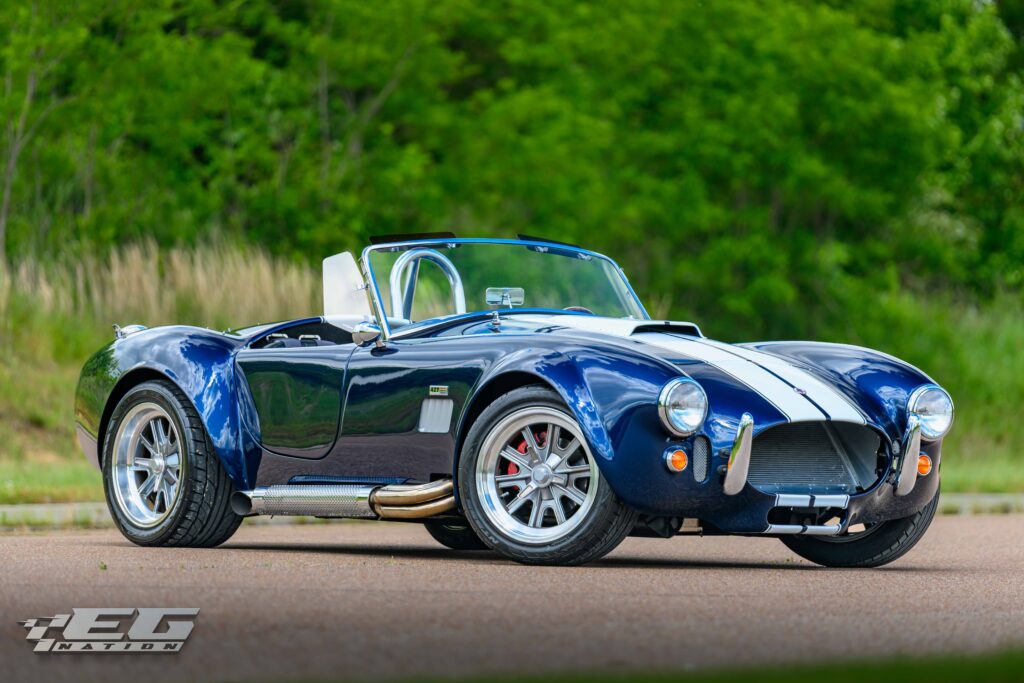
Engines with freer-flowing exhaust systems tend to emphasize the rhythmic pulses created by cam overlap. The use of a crossover pipe will lessen the sound of the thump, as it mixes gases from both banks of the engine. That’s why the same camshaft can sound very different depending on the exhaust setup.
The Trade-Off: Sound vs Drivability
The aggressive idle that enthusiasts love often comes with compromises, but hey, we’re enthusiasts, right? We’re willing to give up a few things for performance. But, large camshafts with significant overlap can produce:
- Low engine vacuum at idle
- Rough idle quality
- Reduced low-RPM torque
- Less efficient fuel combustion
Modern camshaft designs have improved dramatically, using advanced lobe shapes to balance performance with better street manners. Still, physics remains the same: the more aggressive the cam timing, the rougher the idle will be. Anyone who has spent any time at a dragstrip has probably noticed that many drag cars struggle to stay running at idle. Drag racers are okay with sacrificing low-end tuning for high-end horsepower. But you wouldn’t want that on the street; you would be struggling at every stoplight, and your power brakes would be virtually nonexistent.
Cams With Thump
COMP Cams offers many different camshafts for just about every application and can even custom-build what you want. But, they also have some off-the-shelf cam families that feature some tight LSA’s and longer durations that would virtually guarantee a rowdy lope. Here are three to look into:
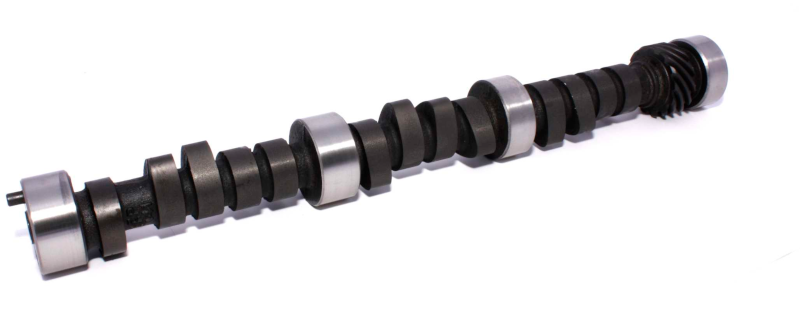
Xtreme Energy – Offers quicker opening lobe profiles to deliver increased responsiveness and more area under the lift curve. More vacuum allows a step up in duration for greater performance. They are a bestseller and are an excellent all-around performance cam for street carbureted applications.
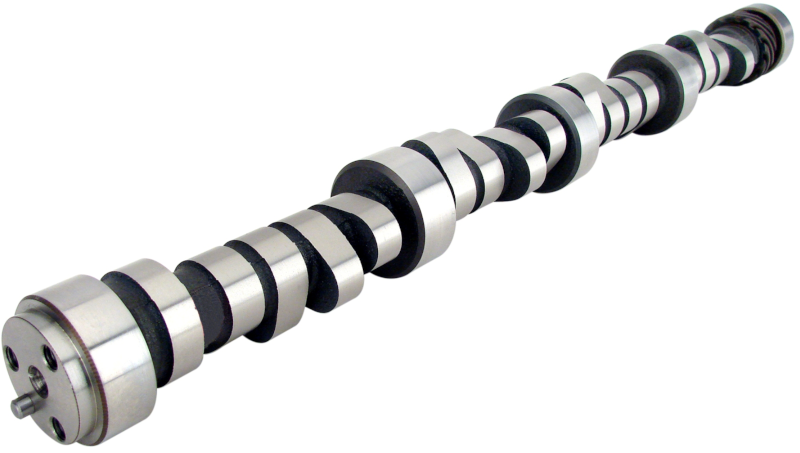
Thumpr – Offers great sound through an early exhaust opening and more overlap. An early intake closing traps more air for excellent mid-range response. New lobe designs give these cams more area and airflow, resulting in even more horsepower. For even more aggression, turn to the Big Mutha’ Thumpr cams!
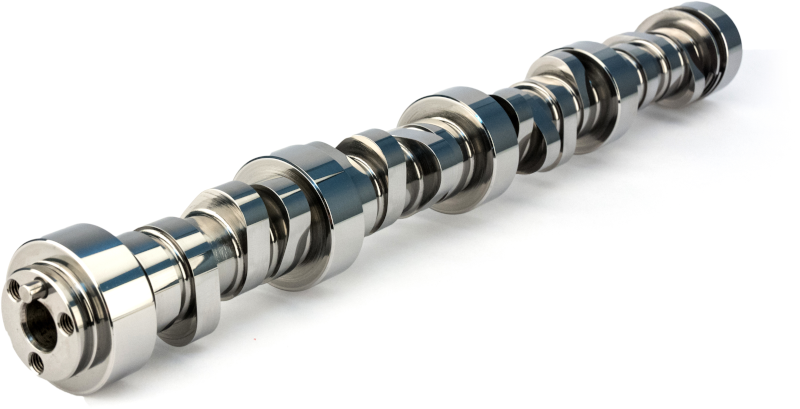
LSR – These cams feature higher exhaust duration, providing the broadest powerband and most top-end power of any COMP LS cam. They take advantage of today’s newer and better flowing aftermarket cylinder heads. With 27 unique grinds for both cathedral and rectangle-port cylinder heads, there is sure to be one that fits your LS.
Embrace the “Thump”
For many, the cam thump is more than just an engine characteristic; it’s a statement. However, as stated earlier, the thump is just a byproduct of what you are really after: more horsepower.
That uneven idle signals an engine built for performance. It reflects deliberate tuning choices that prioritize airflow, horsepower, and personality over smooth operation. Long before the throttle opens, the sound alone tells others that the engine under the hood means business. And that unmistakable rhythm remains one of the most iconic sounds in automotive culture.
For more great technical content, check out our TECH Section!