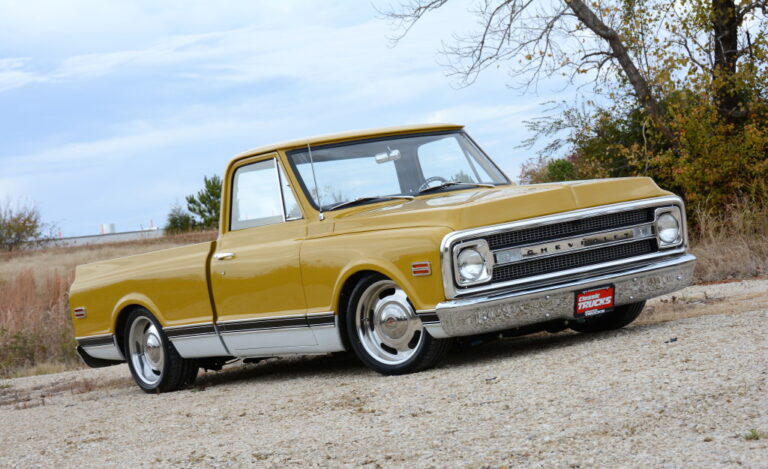
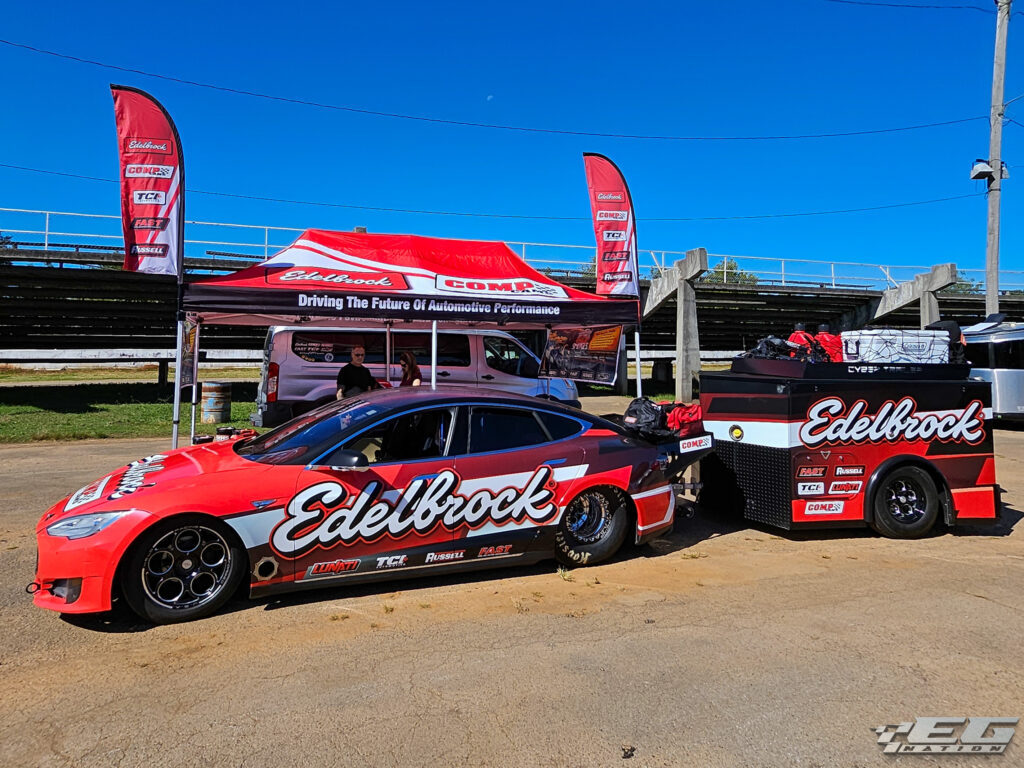
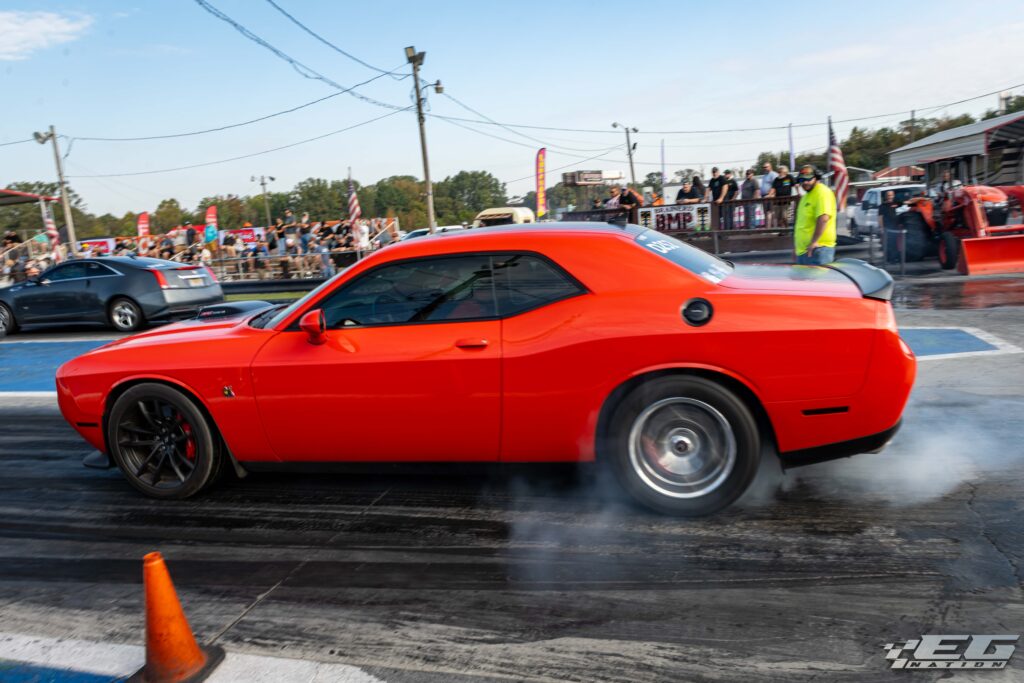
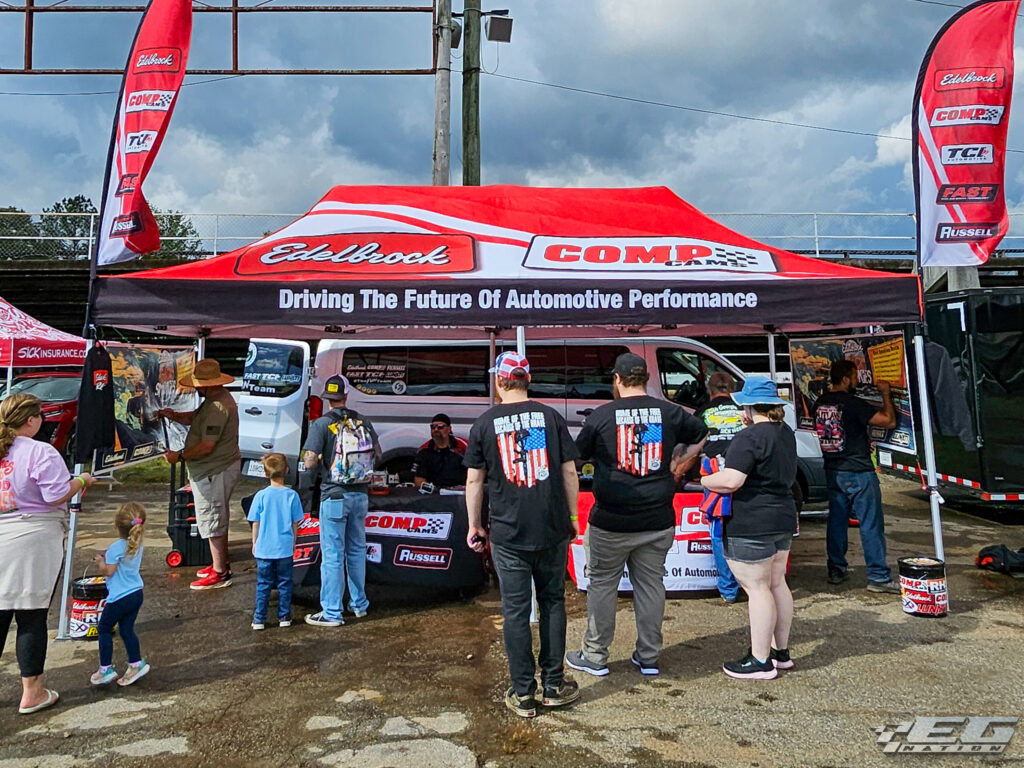
Last fall, the mountains came alive with color, cool air…and the sounds of horsepower from some of the wildest street-driven drag cars in the country. Edelbrock Sick Smokies 2025, hosted by Sick The Magazine, delivered everything I love about grassroots horsepower culture — and I was along for the ride with Jeremy Dent on the Edelbrock #TheFunTeam transit van for the entire route!
Truth be told, it was my first time attending a Sick event (Jeremy has done many over the past couple of years). I loved every venue, every burnout, every pass, and every late-night thrash session. I didn’t quite know what to expect, but all I can say is if you’ve been waiting to pull the trigger on a Sick event, quit waiting! We only have so much time on this rock, and these things are epic!
A Rally Built for Real Hot Rodders
Sick events aren’t your average car events; the best thing I can compare them to is a traveling circus, going from town to town with fun checkpoints along the way. They are a true non-stop drag-and-drive challenge. Sick hosts five events a year, with two of them being the big ones (Sick Week and Sick Summer), where people compete on quarter-mile tracks to be crowned the fastest street car. The three other events are “one-offs” at eighth-mile dragstrips, focused more on the fun aspects, such as scenery, checkpoints, and camaraderie. They are a little more laid-back, but don’t let that fool you — they are still competitive.
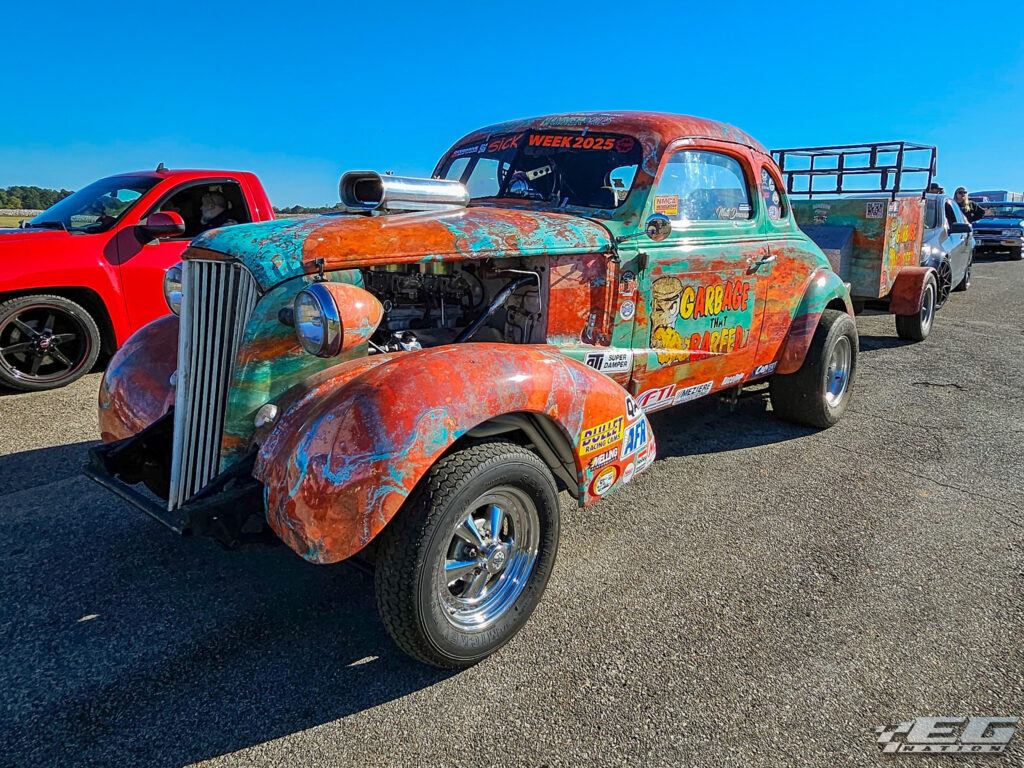
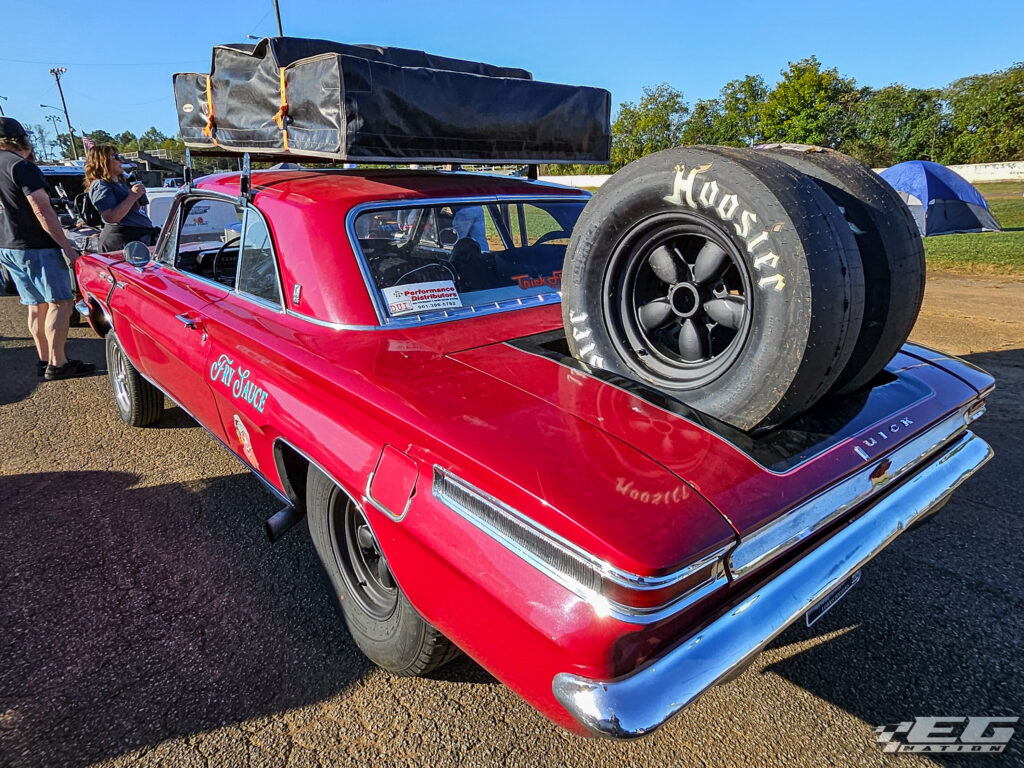
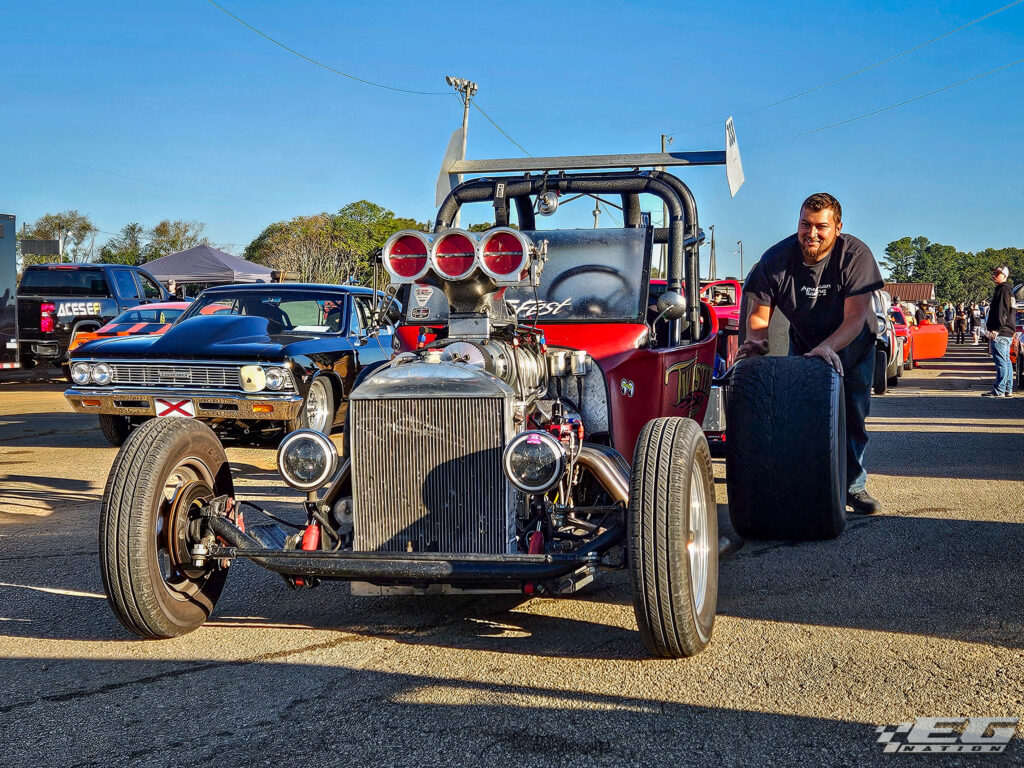
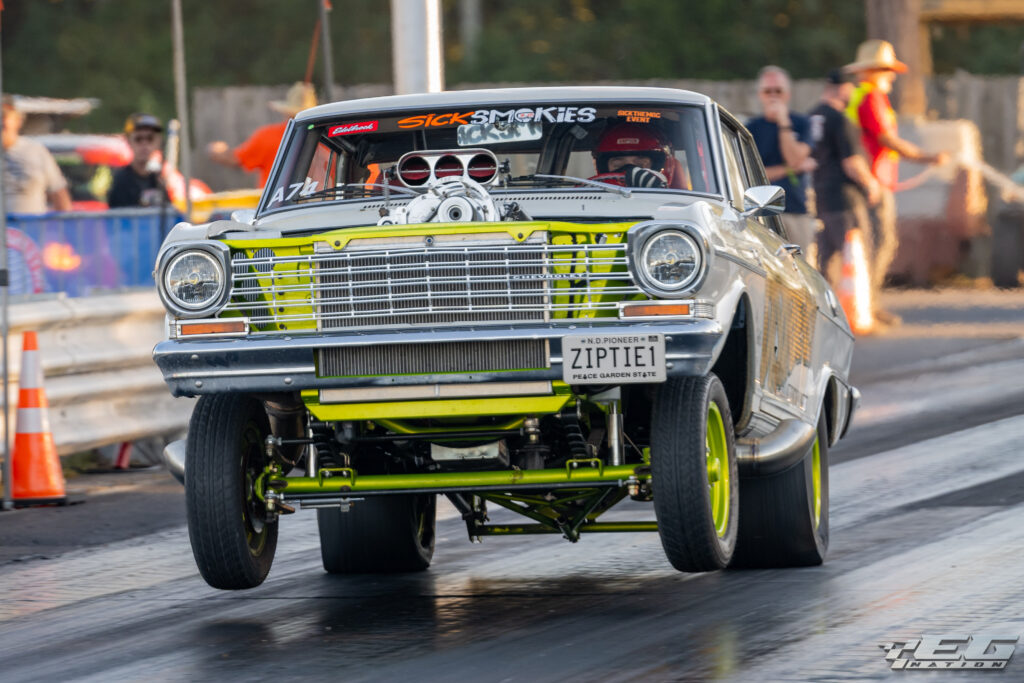
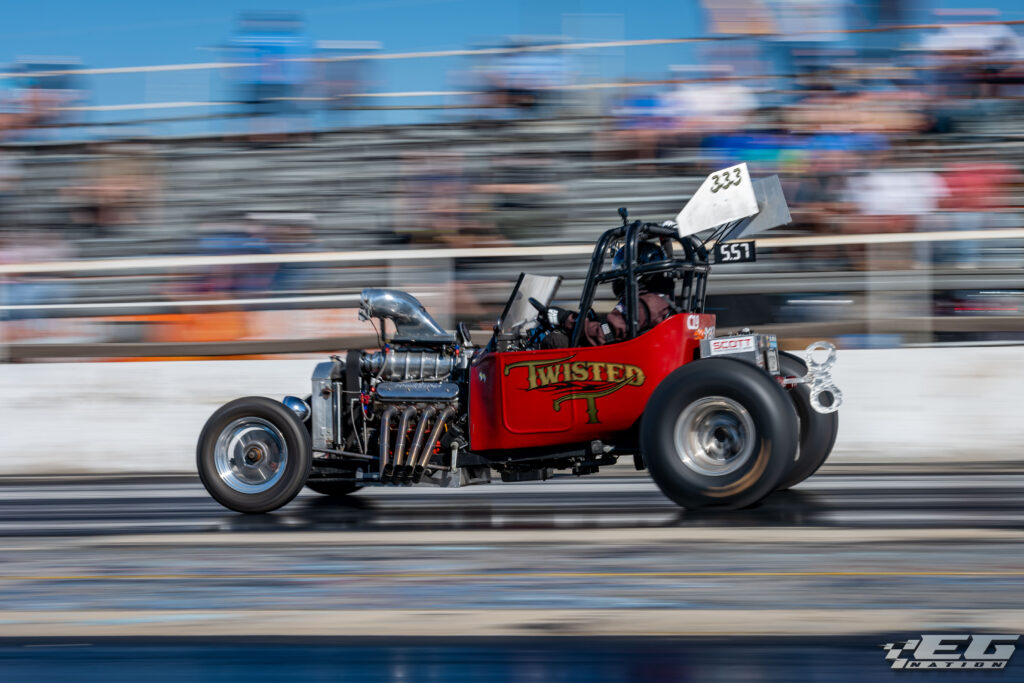
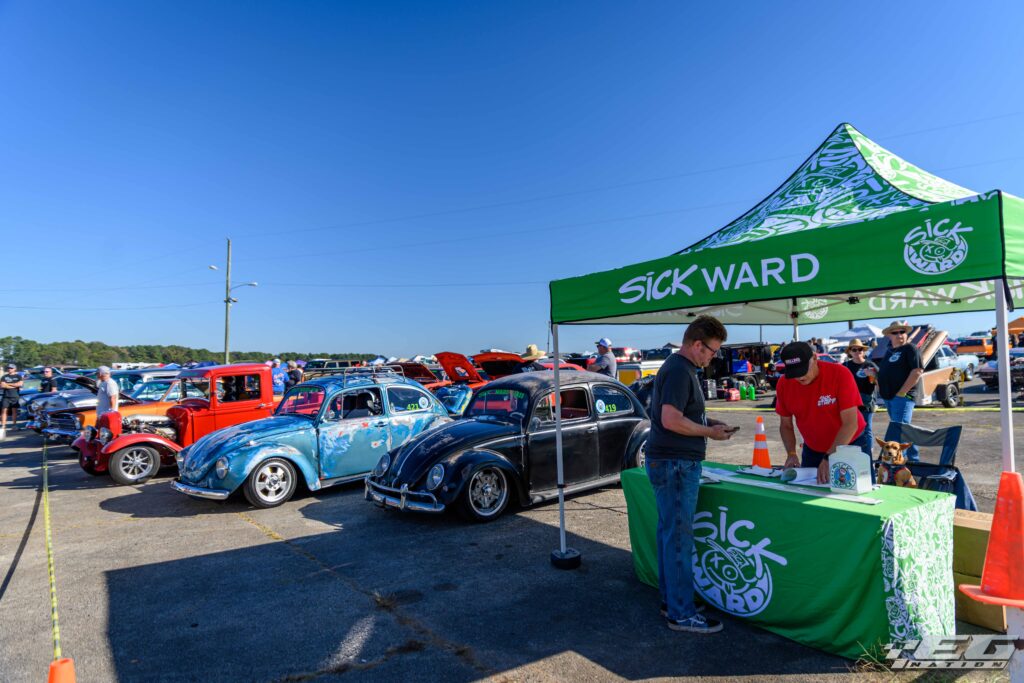
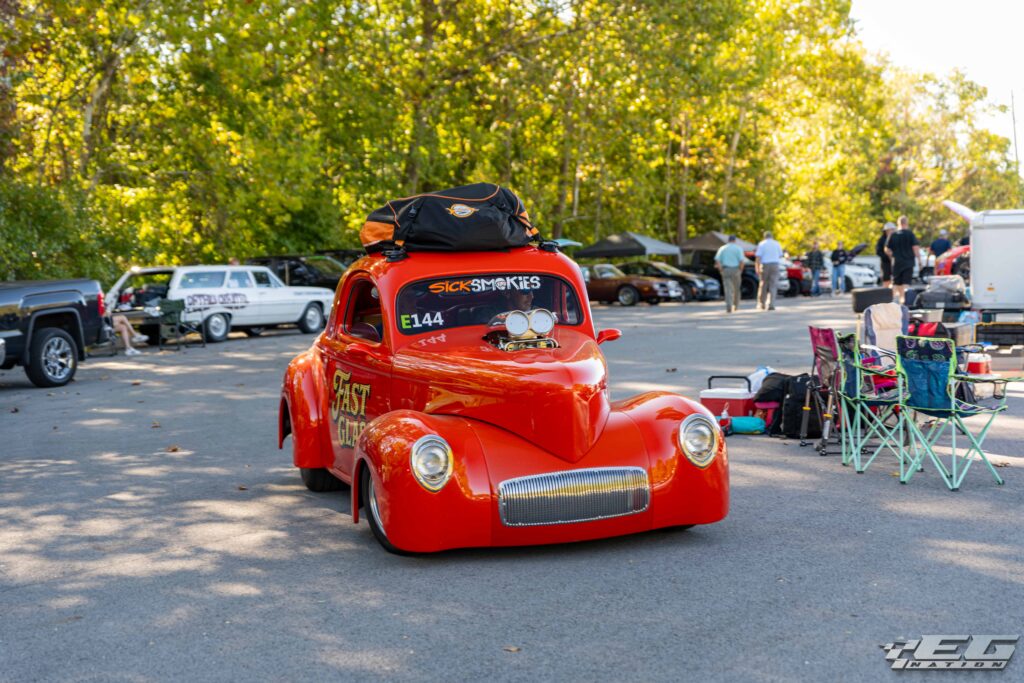
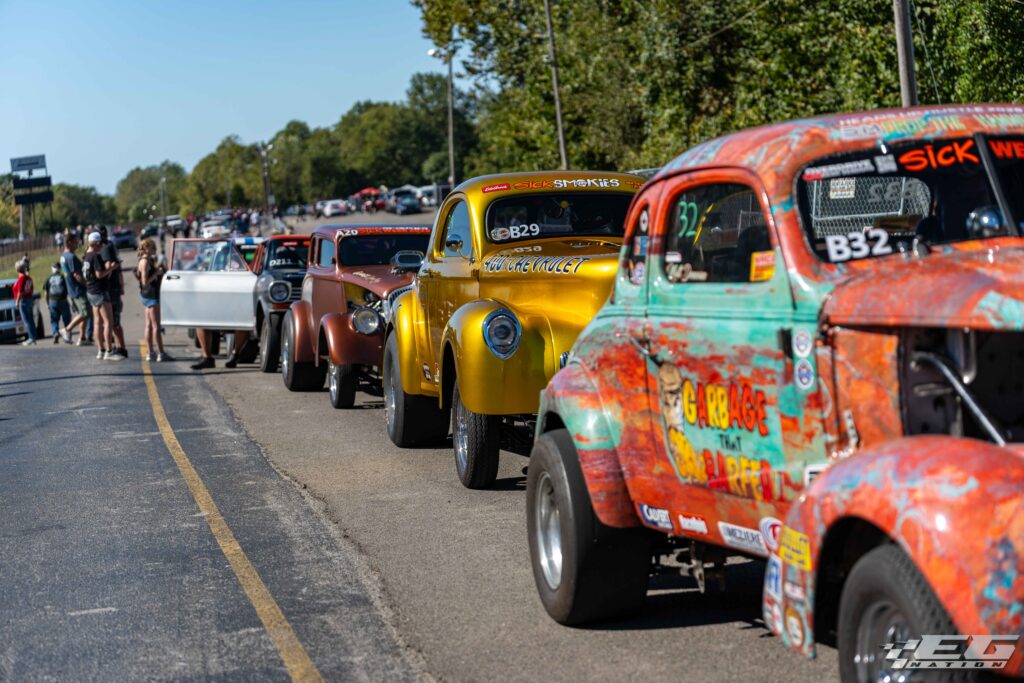
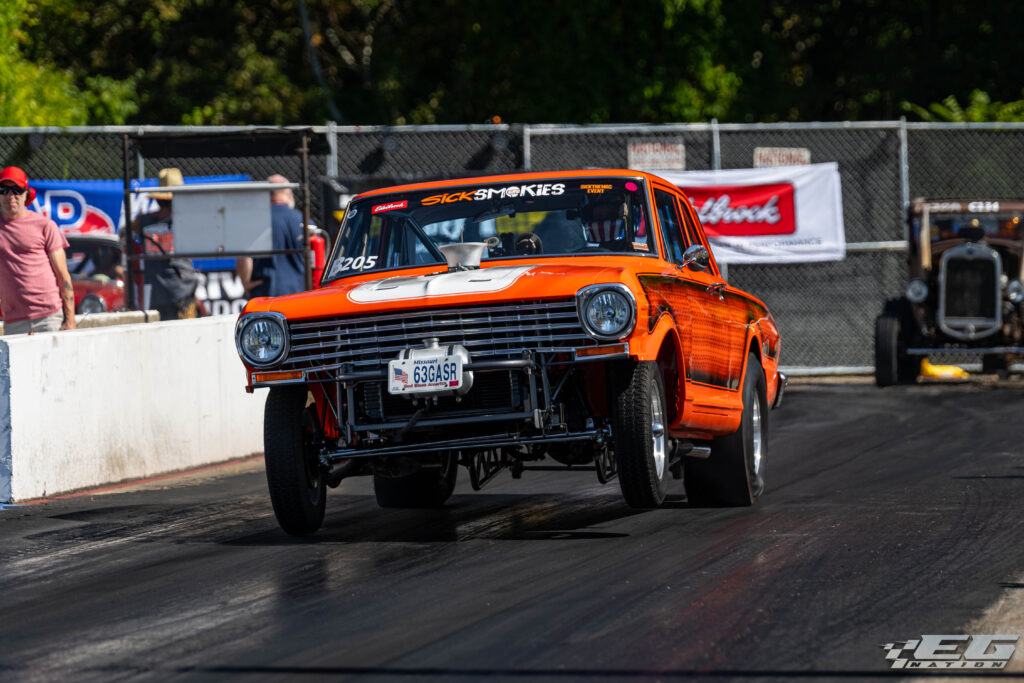
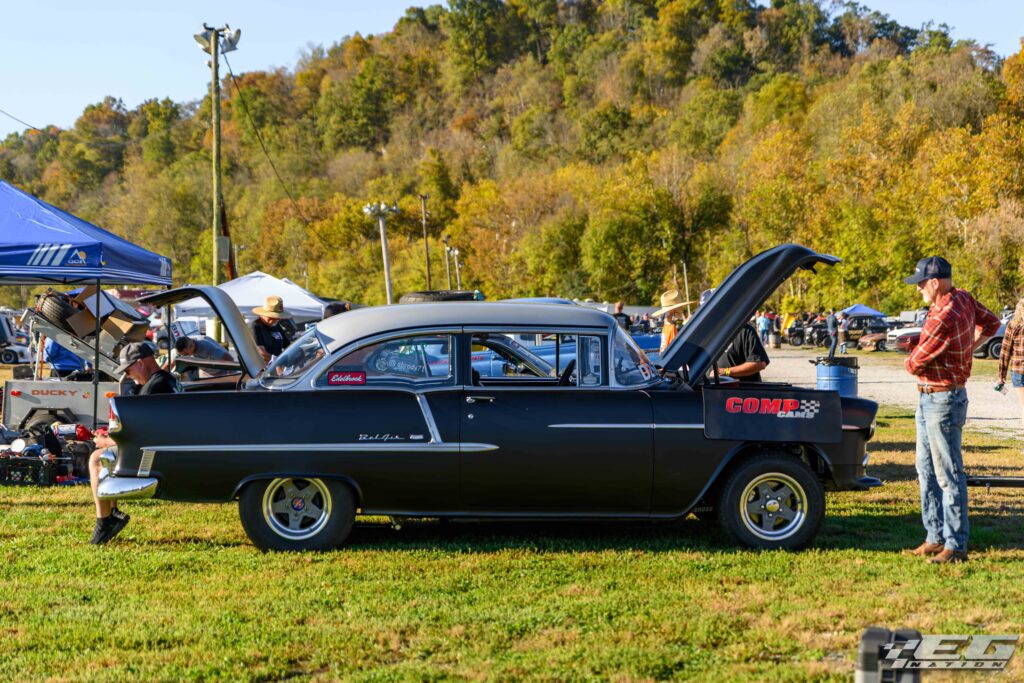
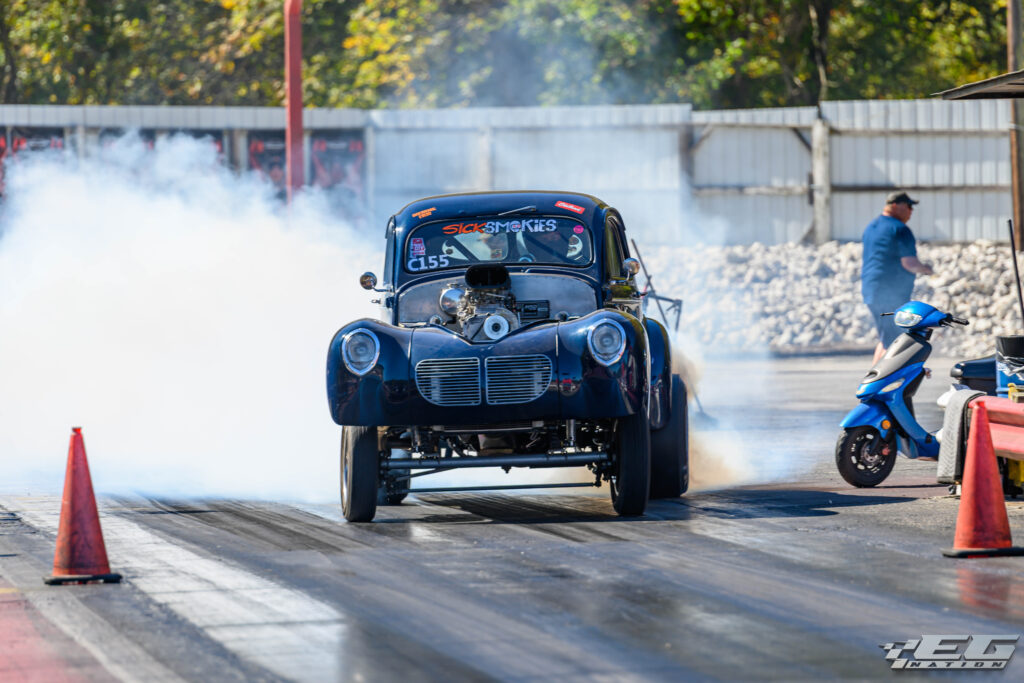
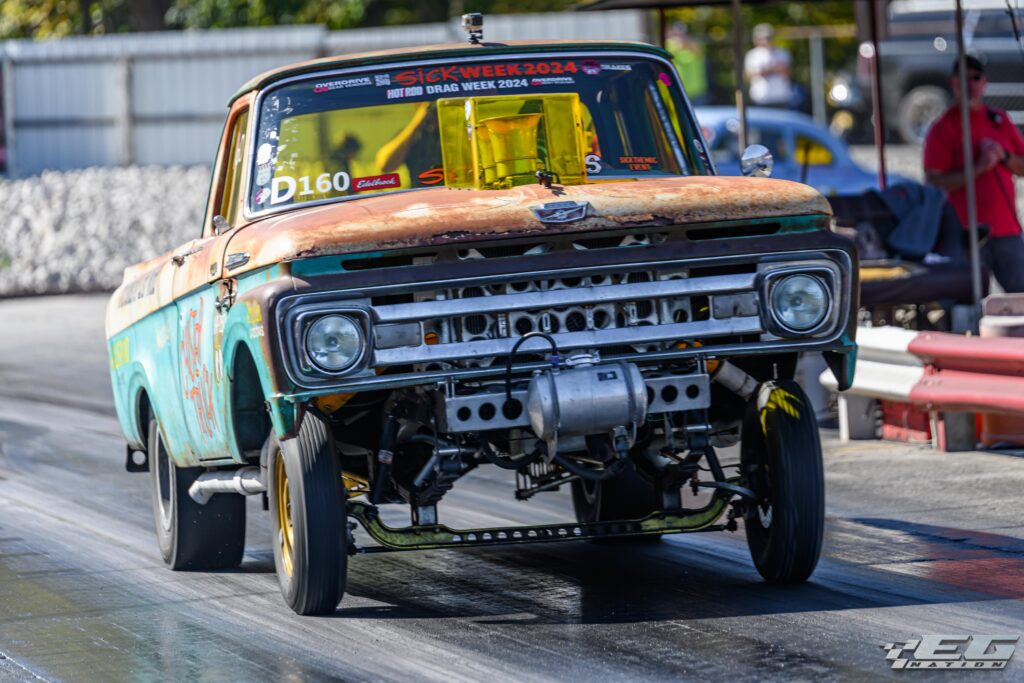
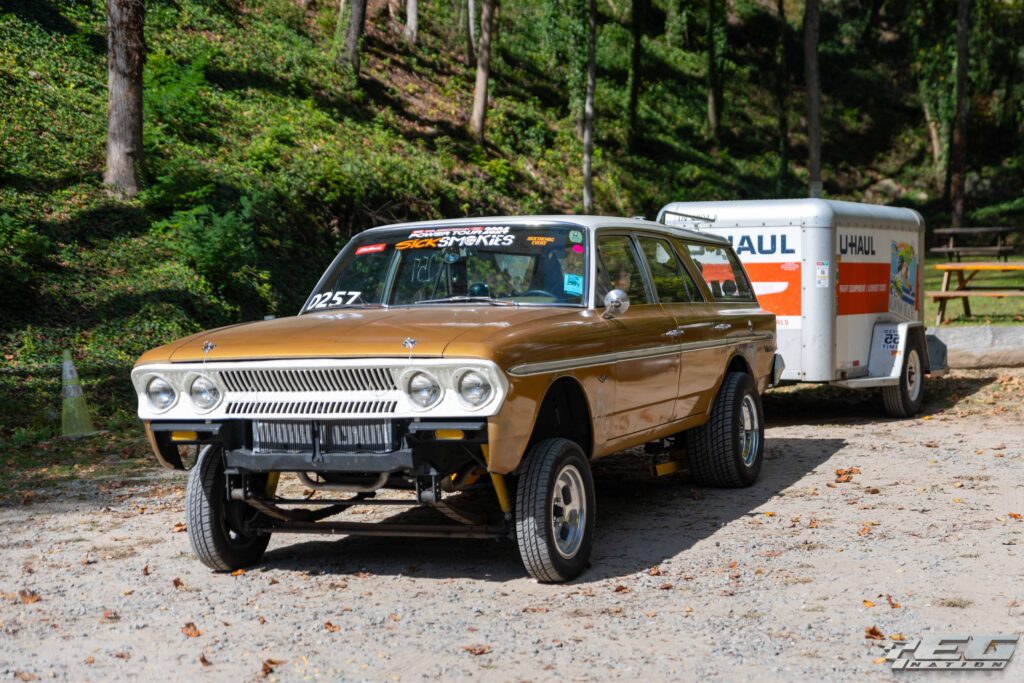
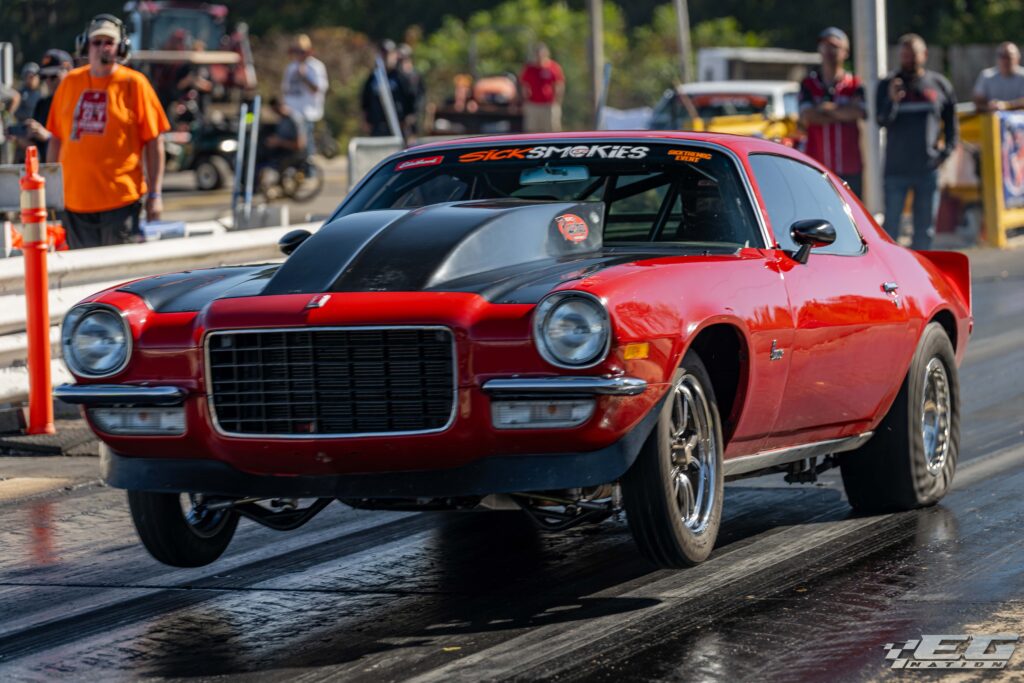
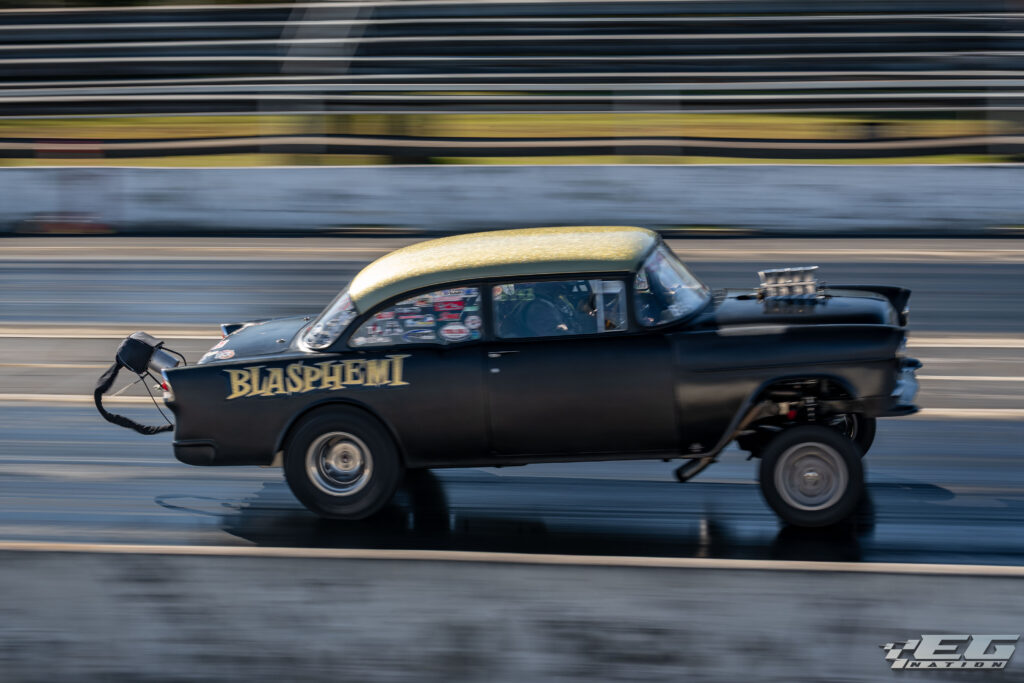
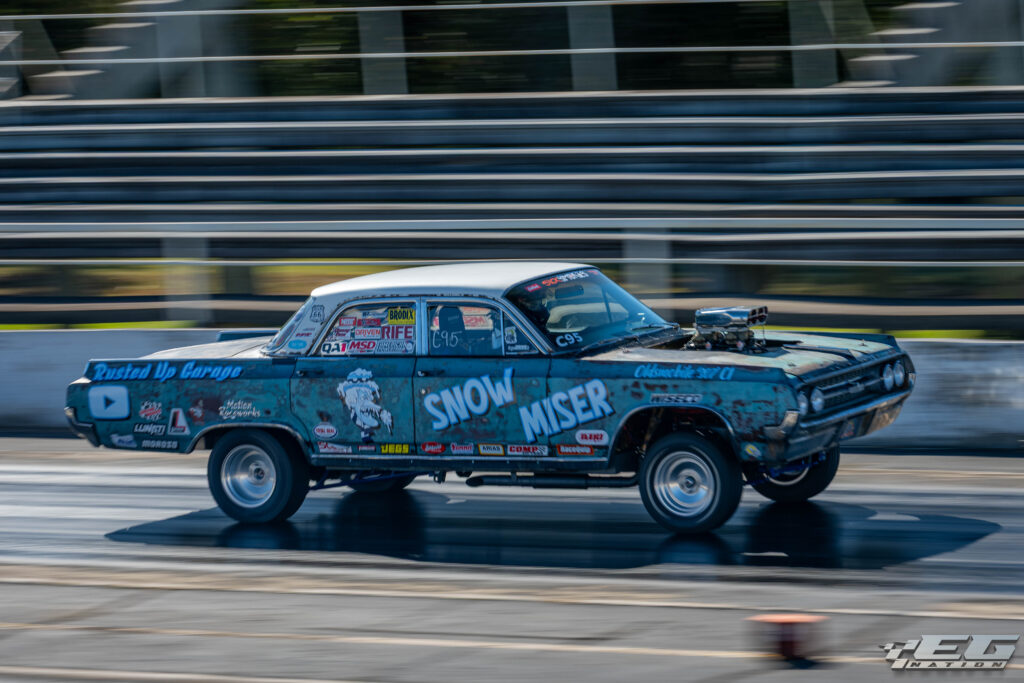
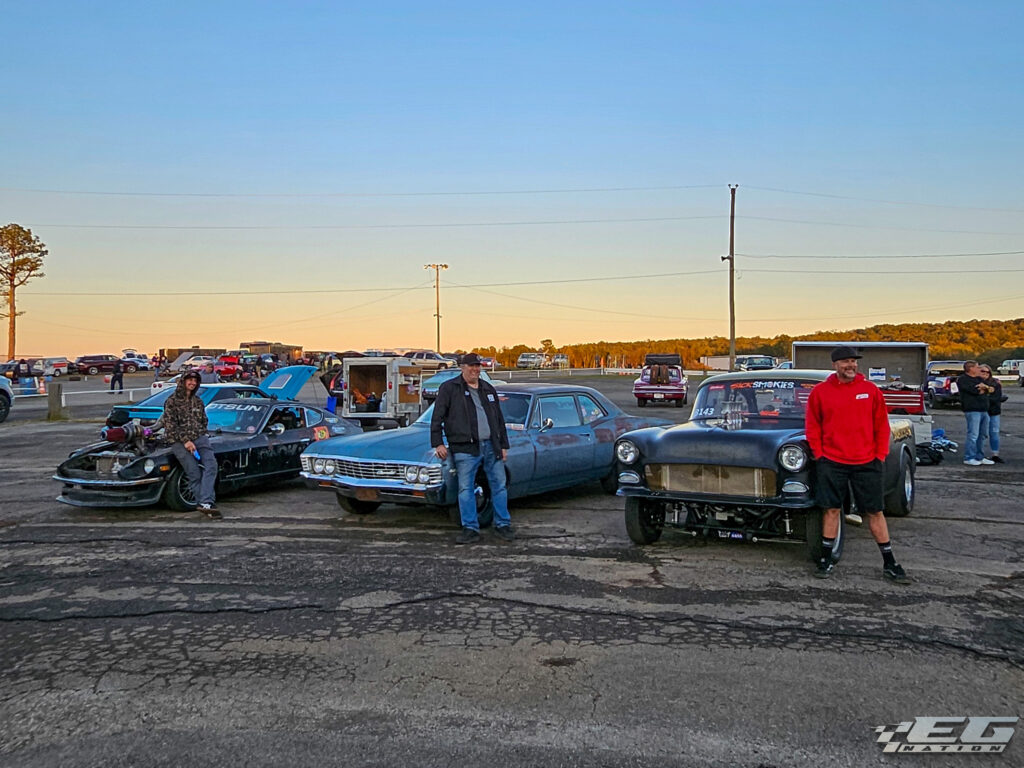
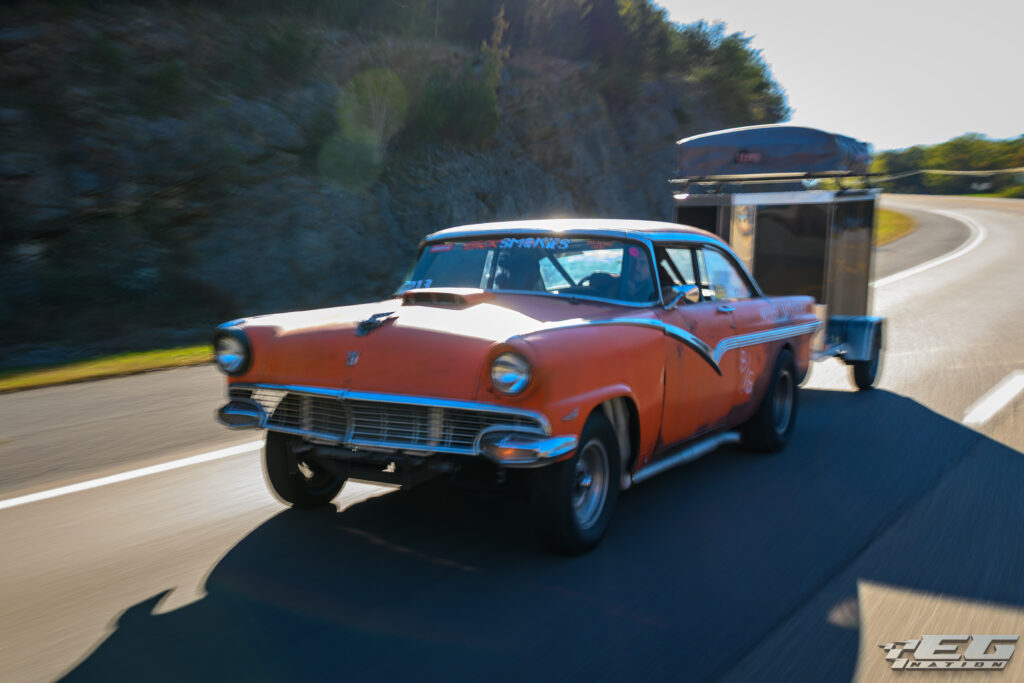
From high-horsepower drag-and-drive veterans to those taking on the challenge for the first time, the atmosphere felt like a mix of family reunion, rolling car show, and survival test — exactly the spirit we love. To make this inaugural Edelbrock Sick Smokies truly epic, there were 75 Gasser-style vehicles (most with straight axles) tackling the mountains while towing trailers. Last but not least were all the Sick Ward and Sick Spit & Shine car show participants, who got special parking at each event, but did not race.
What to Expect at Sick Smokies
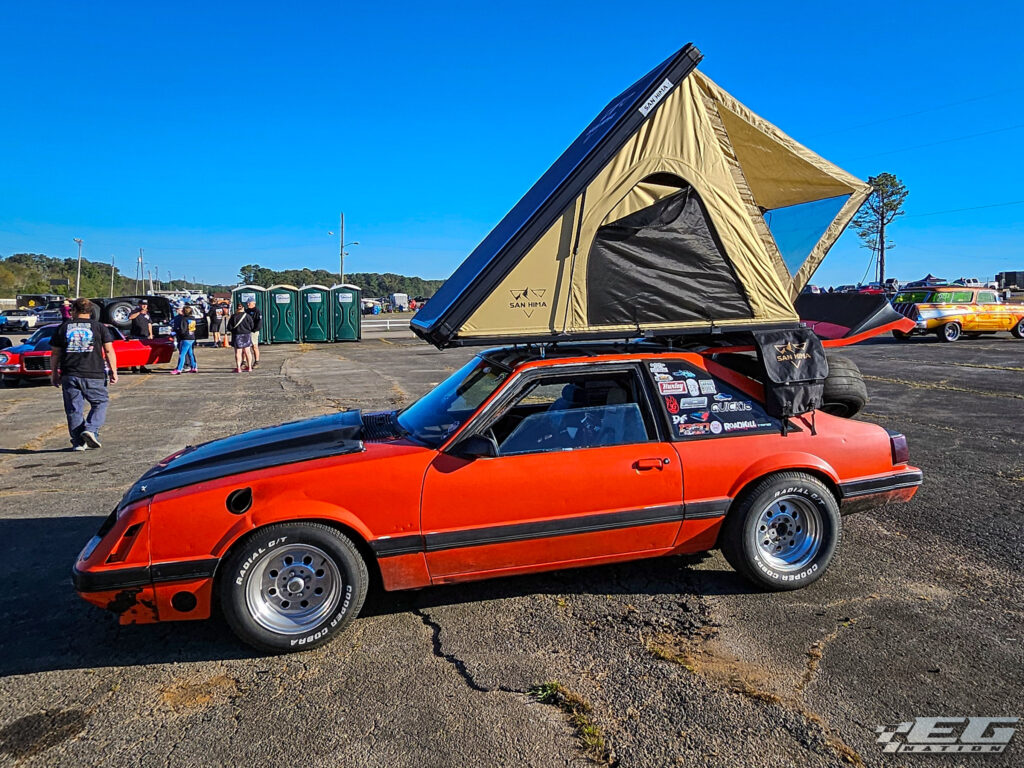
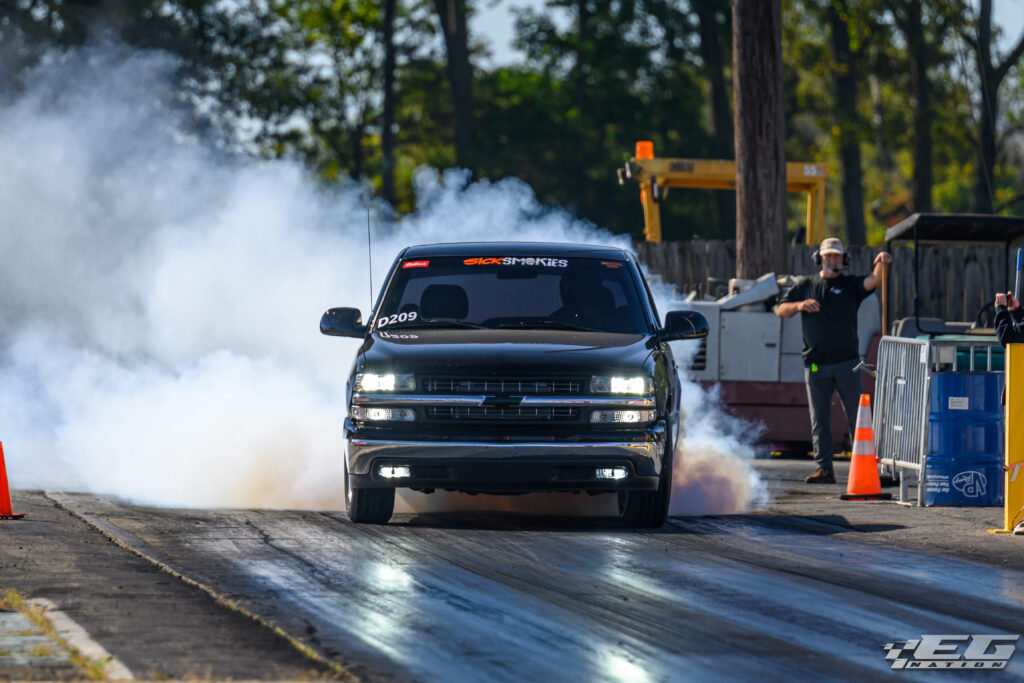
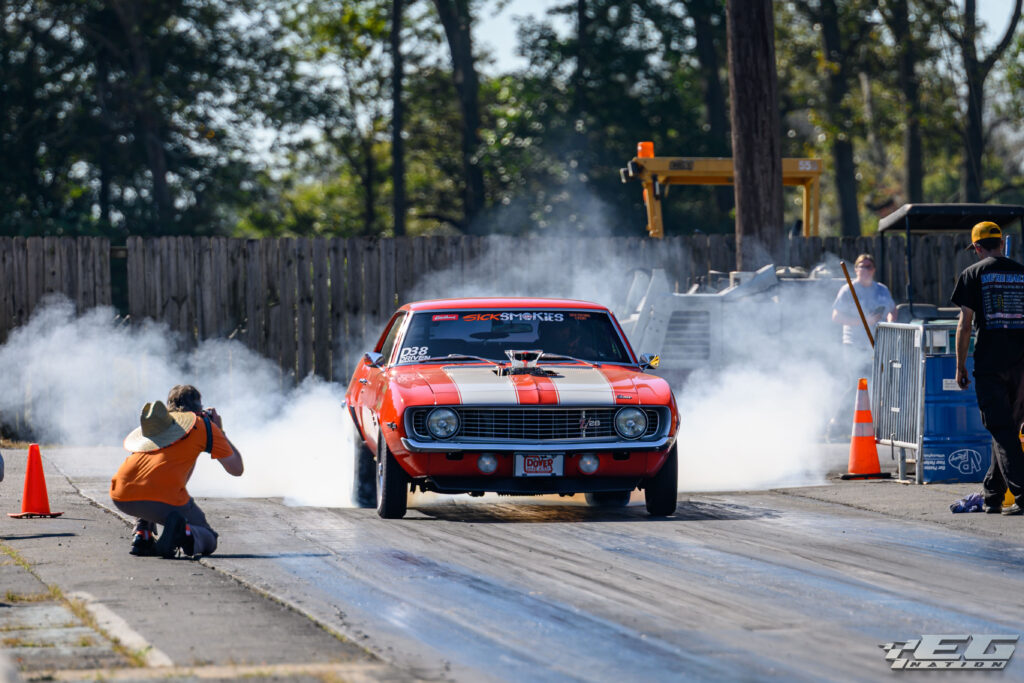
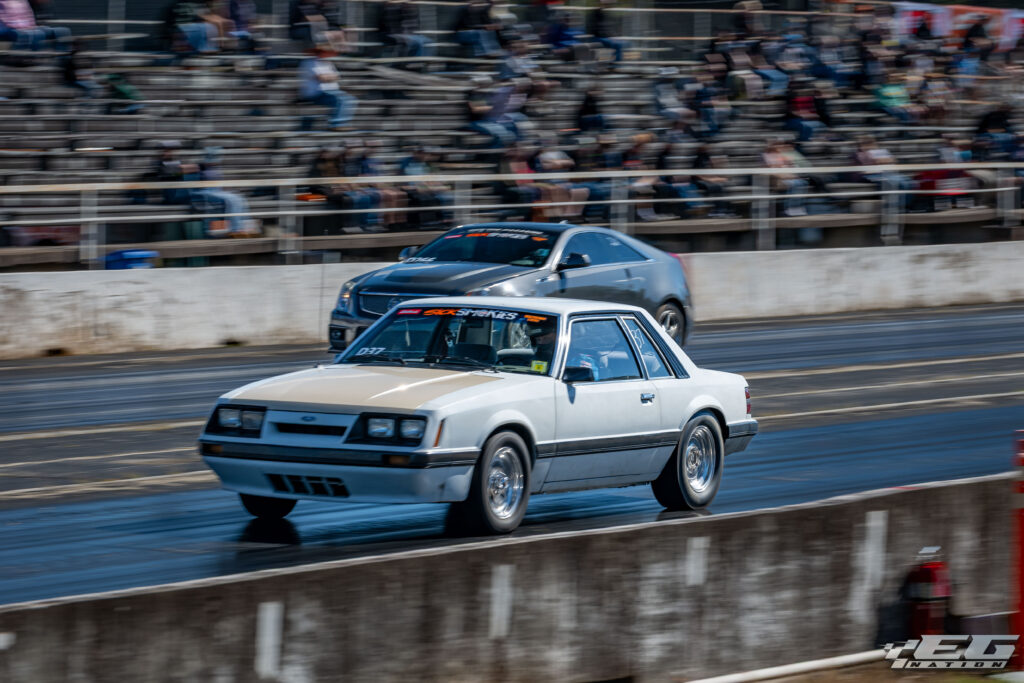
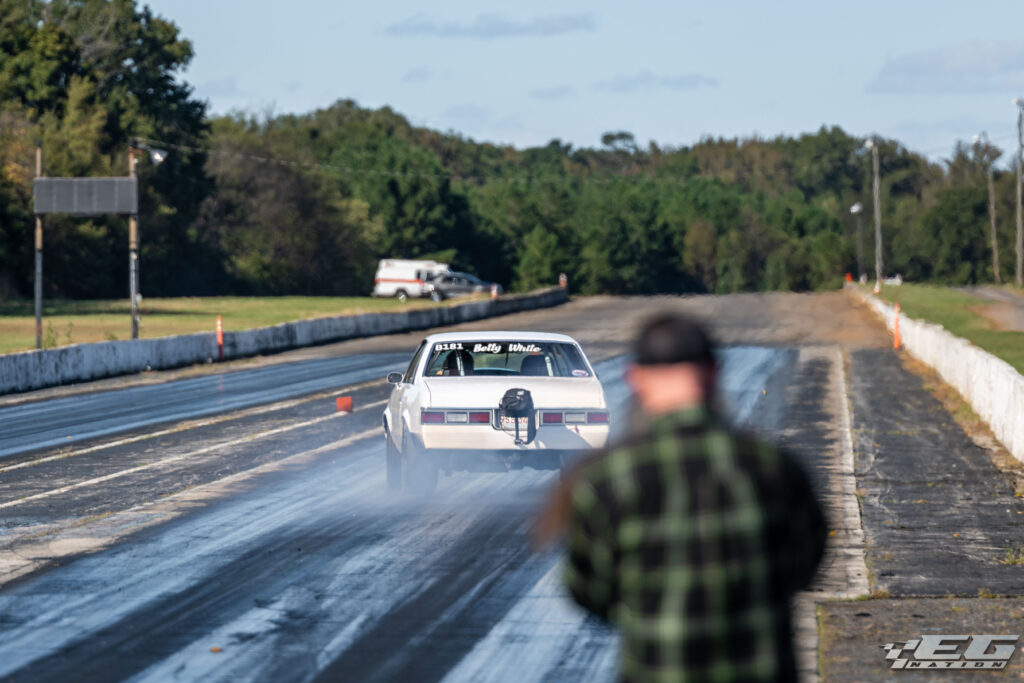
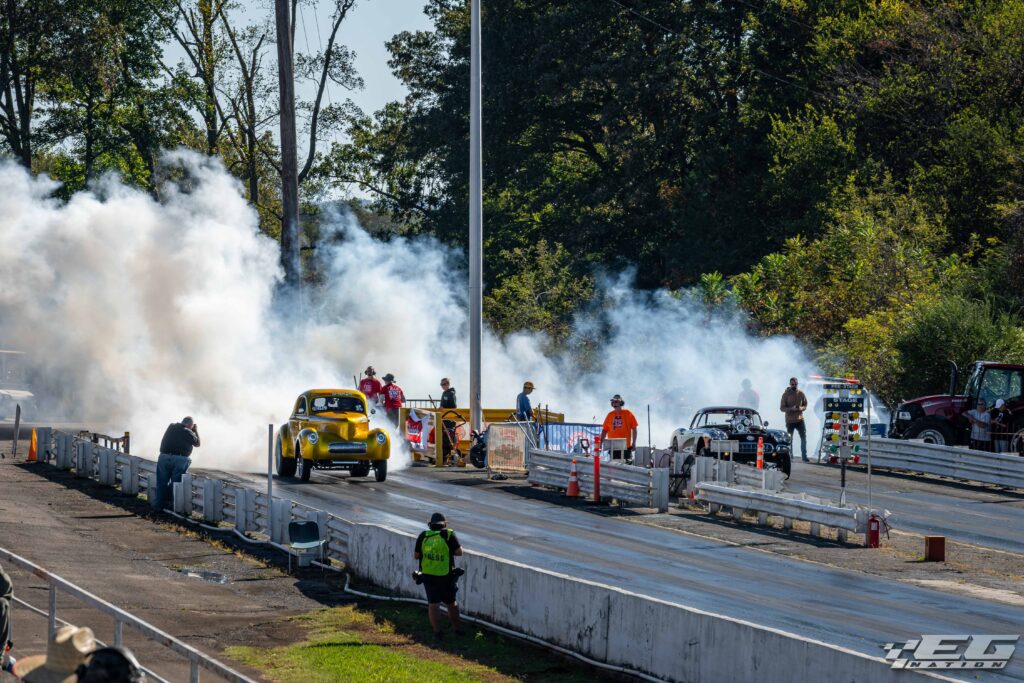
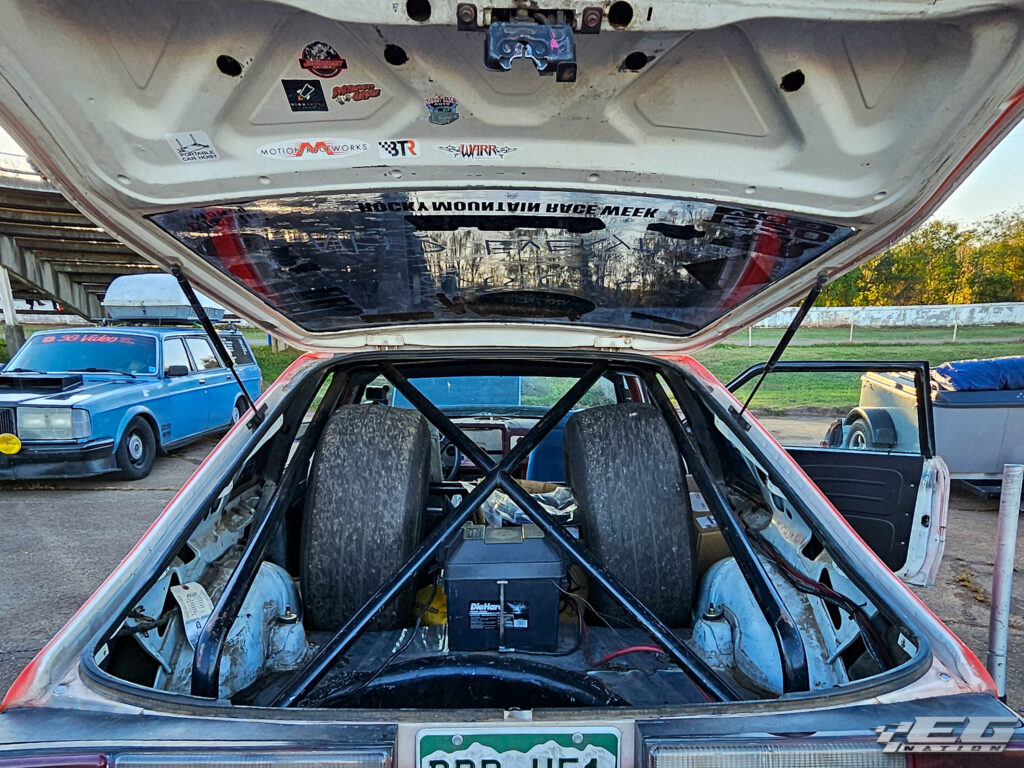
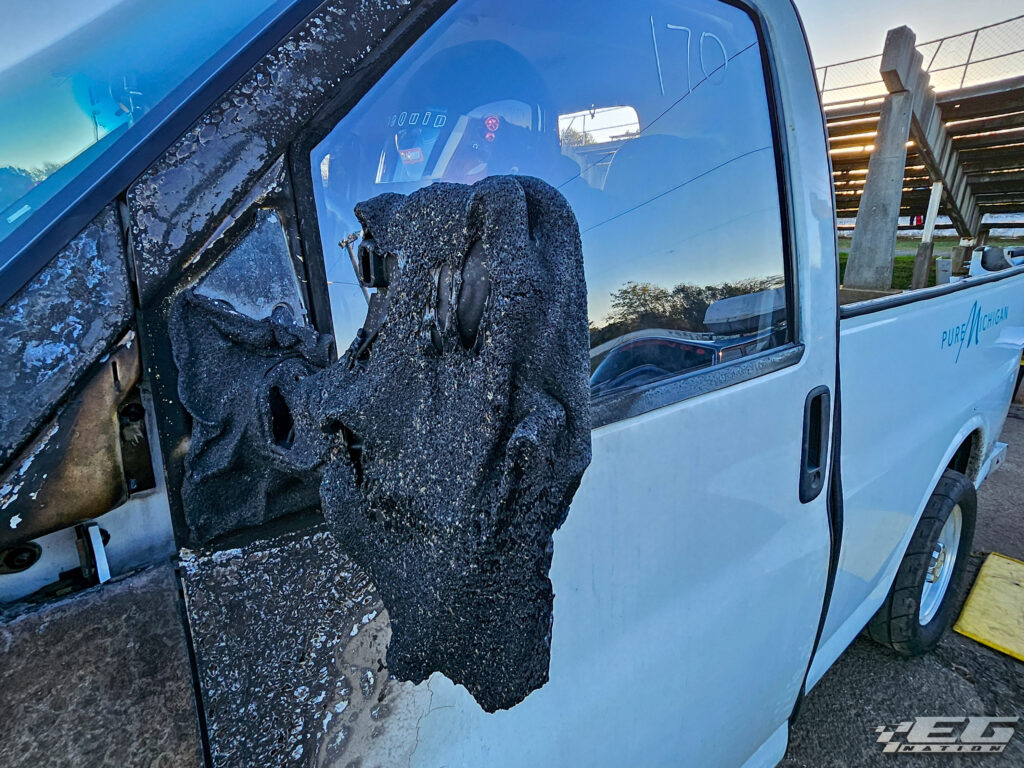
Sick Smokies consisted of morning passes down the dragstrip (sometimes afternoon passes if things didn’t go right in the morning). Once they were happy with their run, they had to transform the car back into street mode, pack everything into the car/trailer, and then follow the designated routes precisely to the checkpoints. If you leave the route, you must reenter exactly where you left off or risk disqualification. Hopefully, if all goes well, they make it to the next stop at a reasonable hour to get some quality sleep before doing it all over again for seven straight days. No support vehicles. No outside crew. No excuses. Just pure hot-rodding determination.
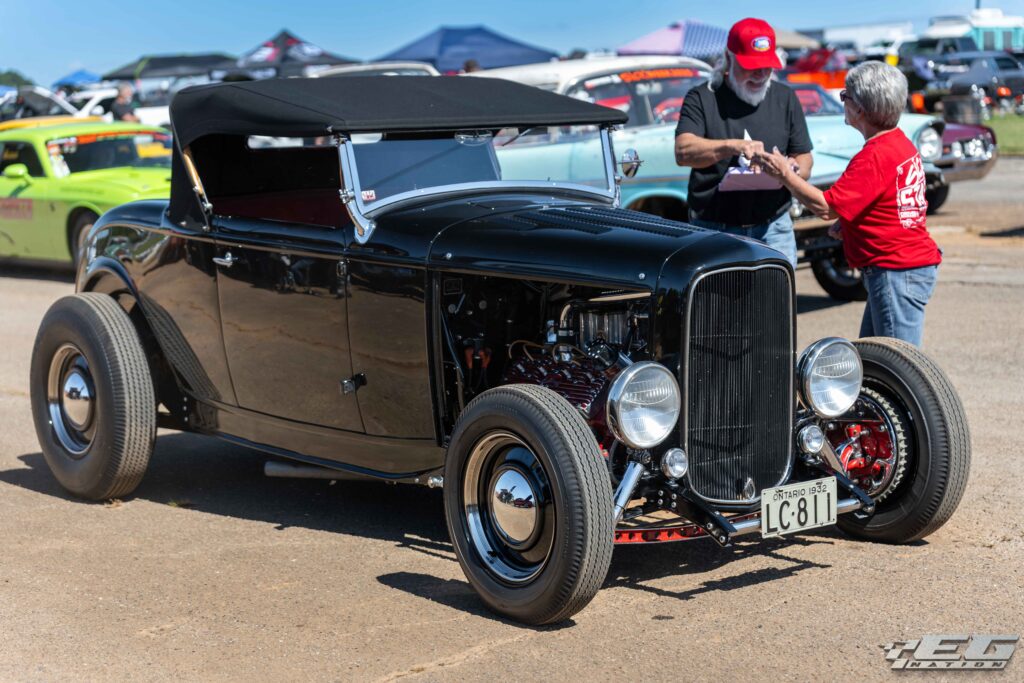
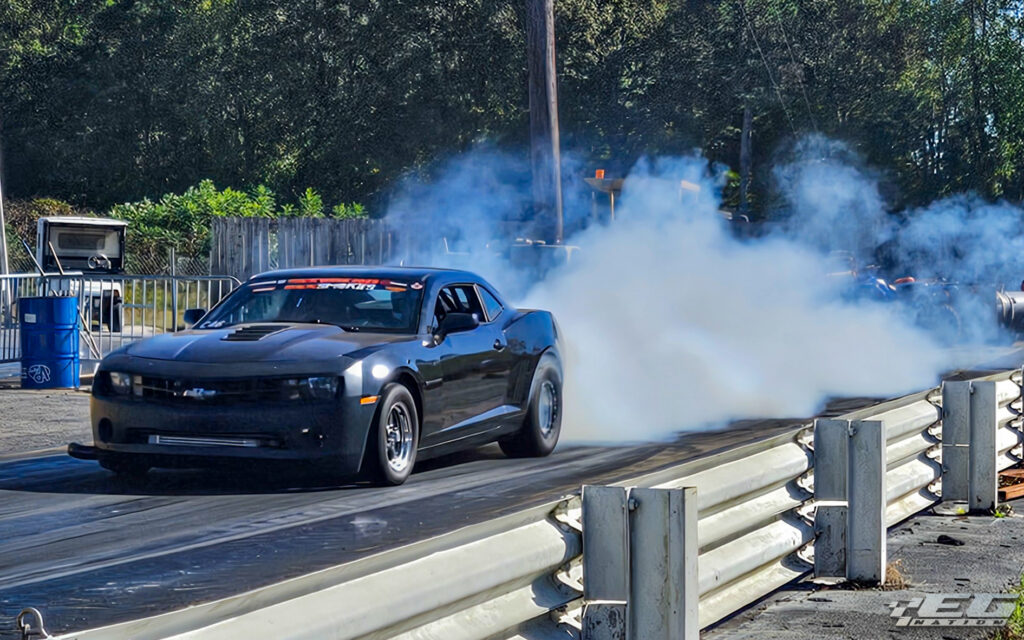
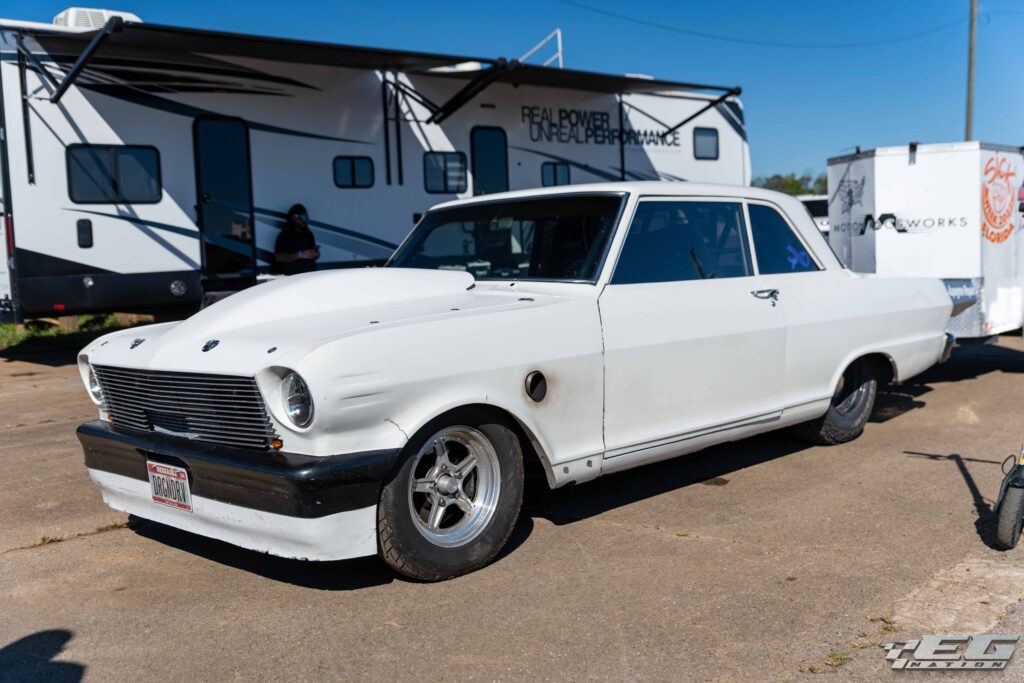
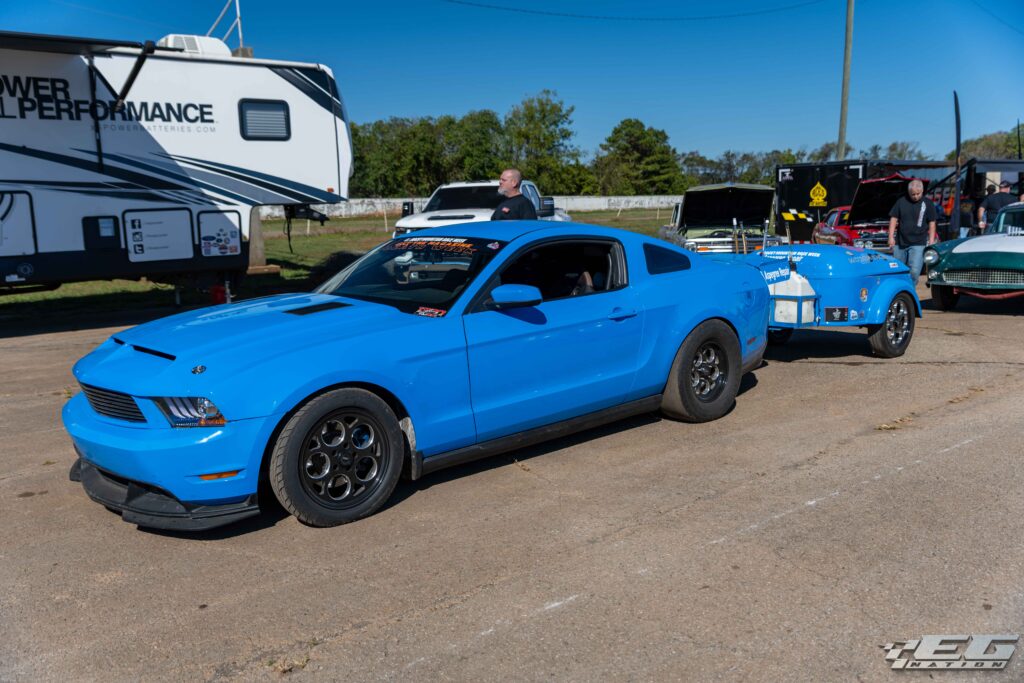
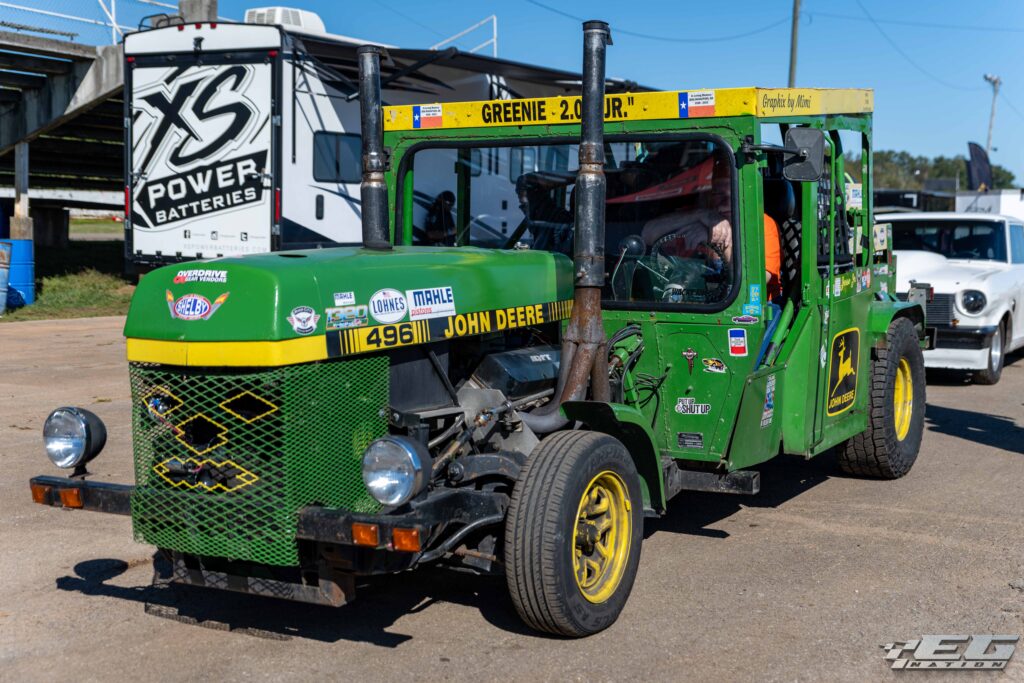
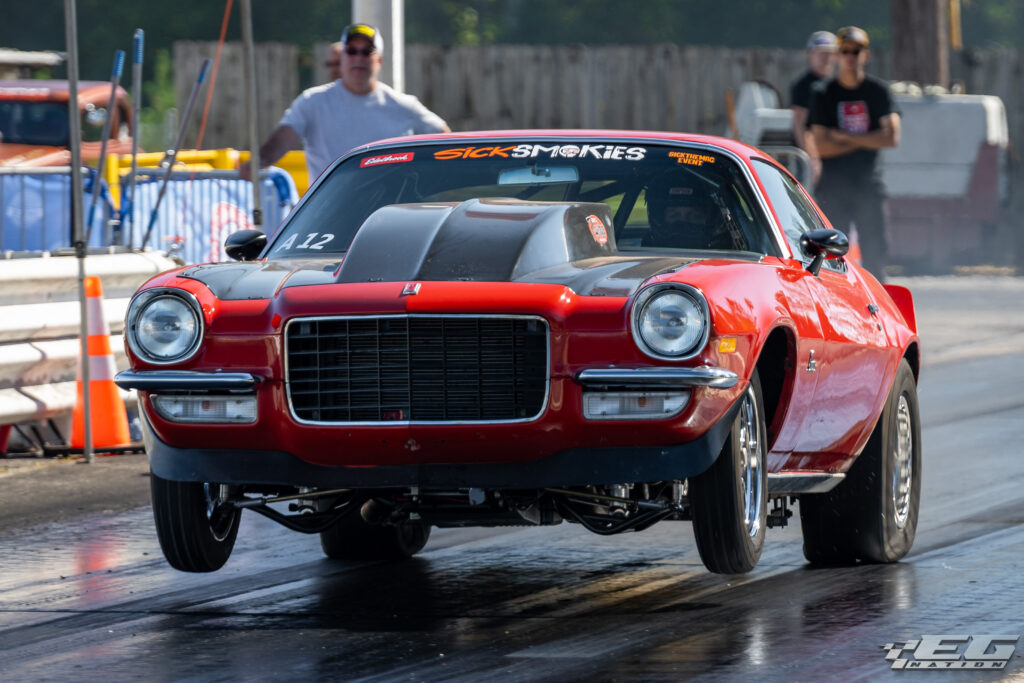
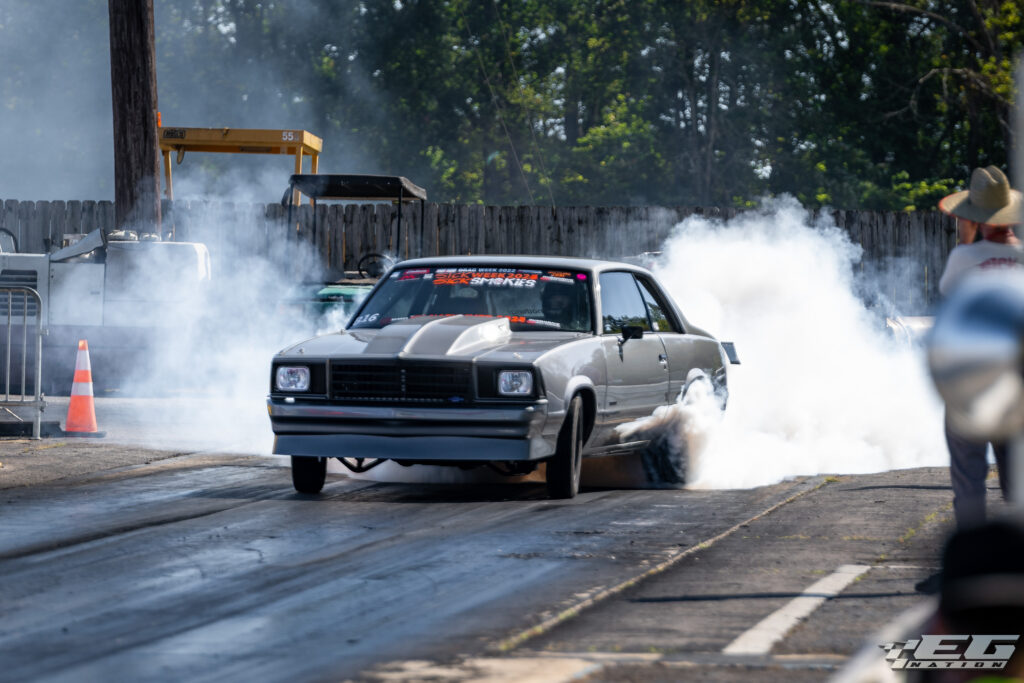
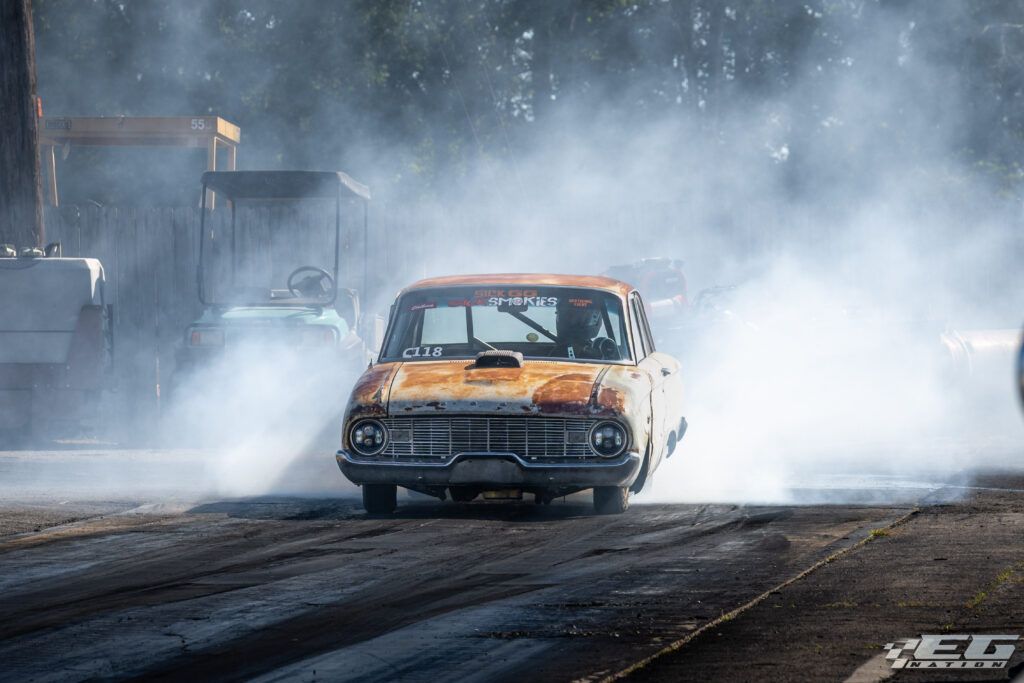
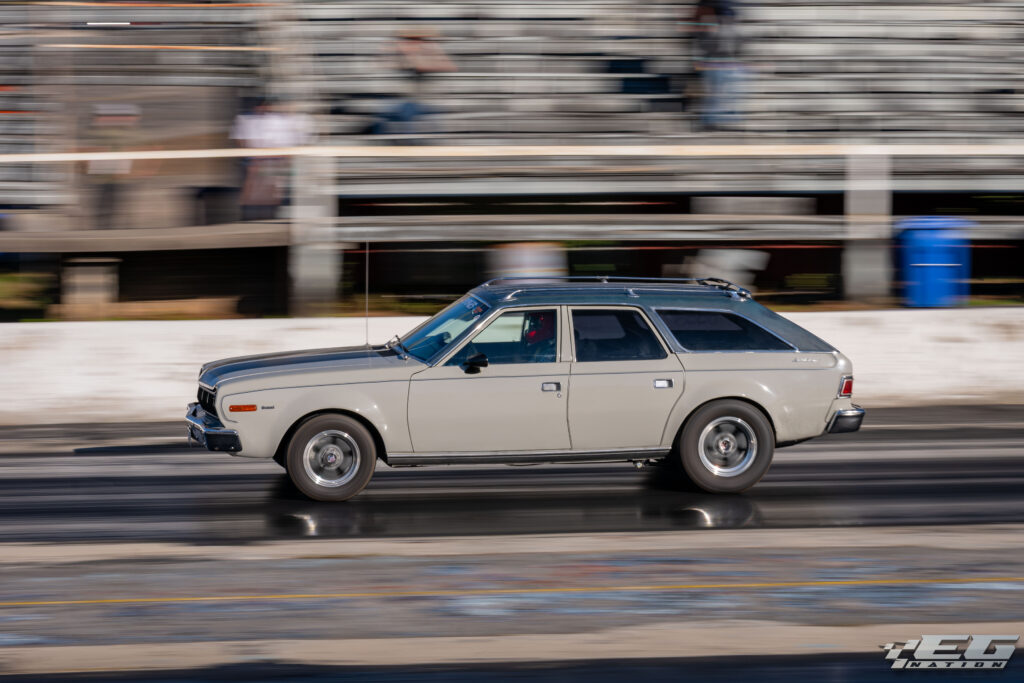
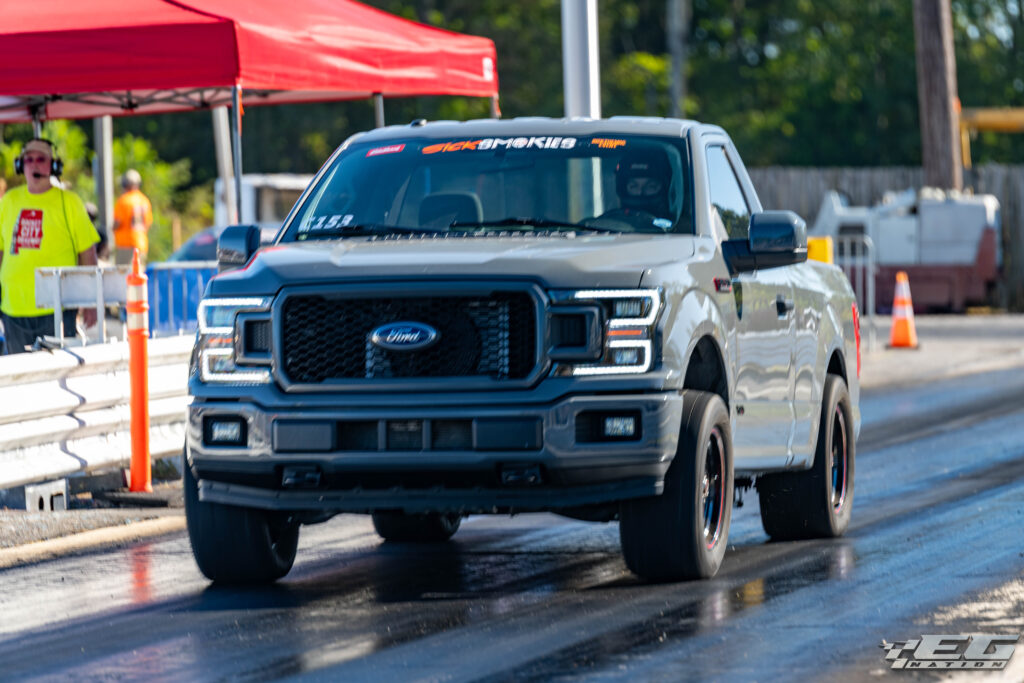
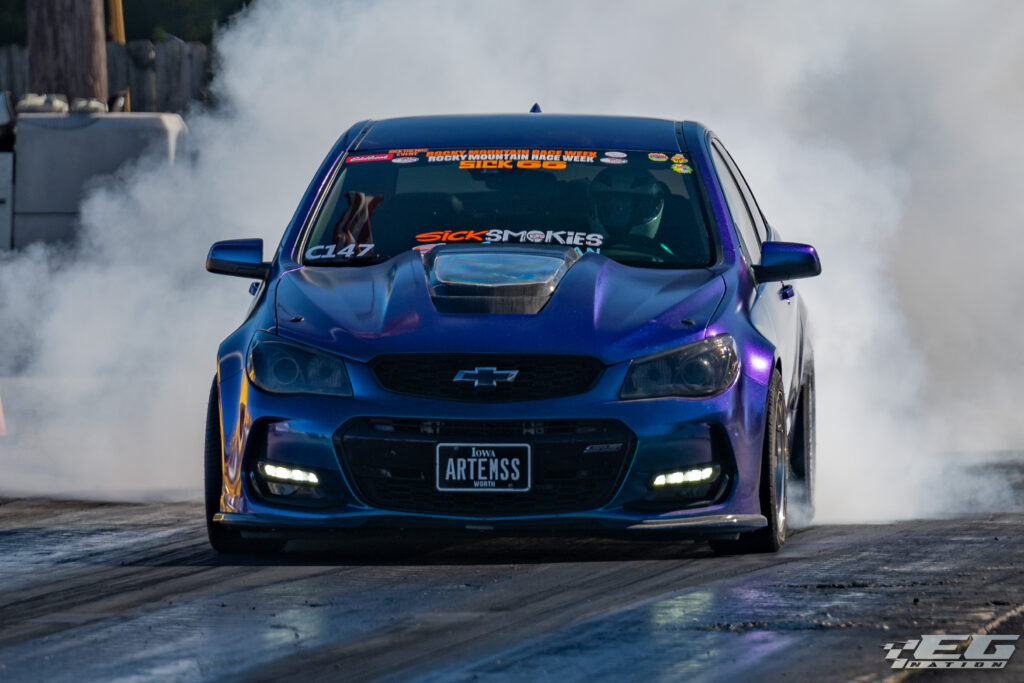
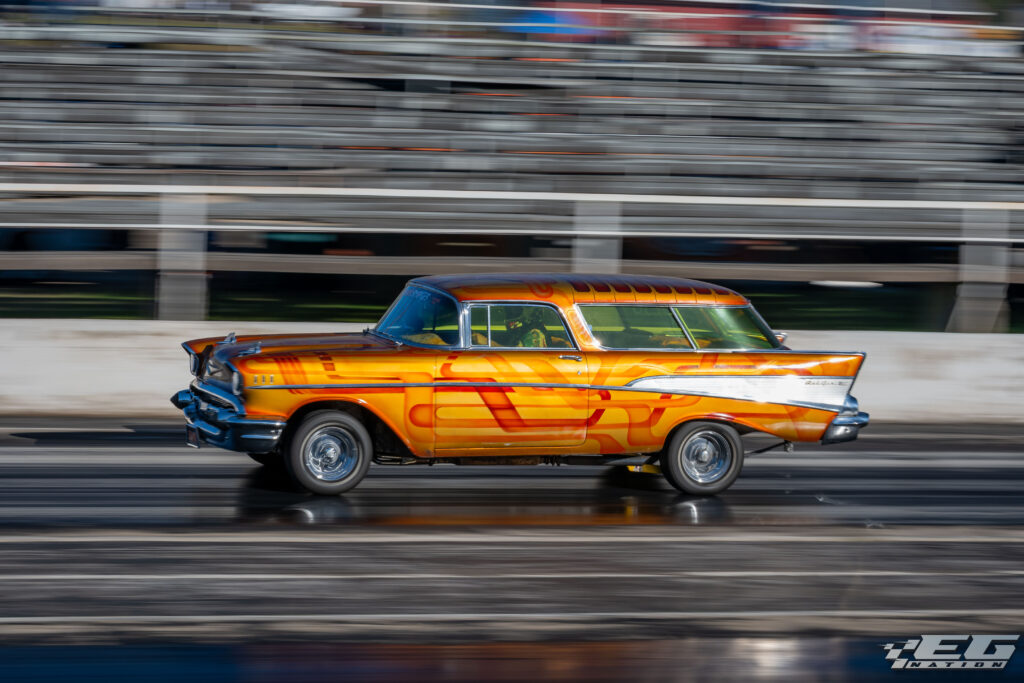
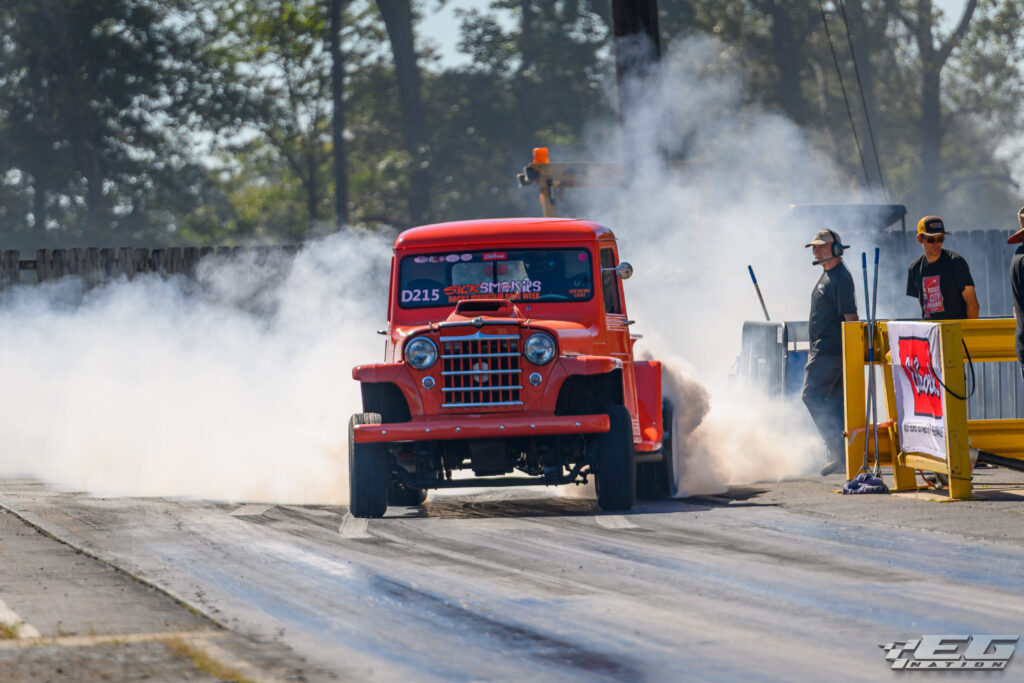
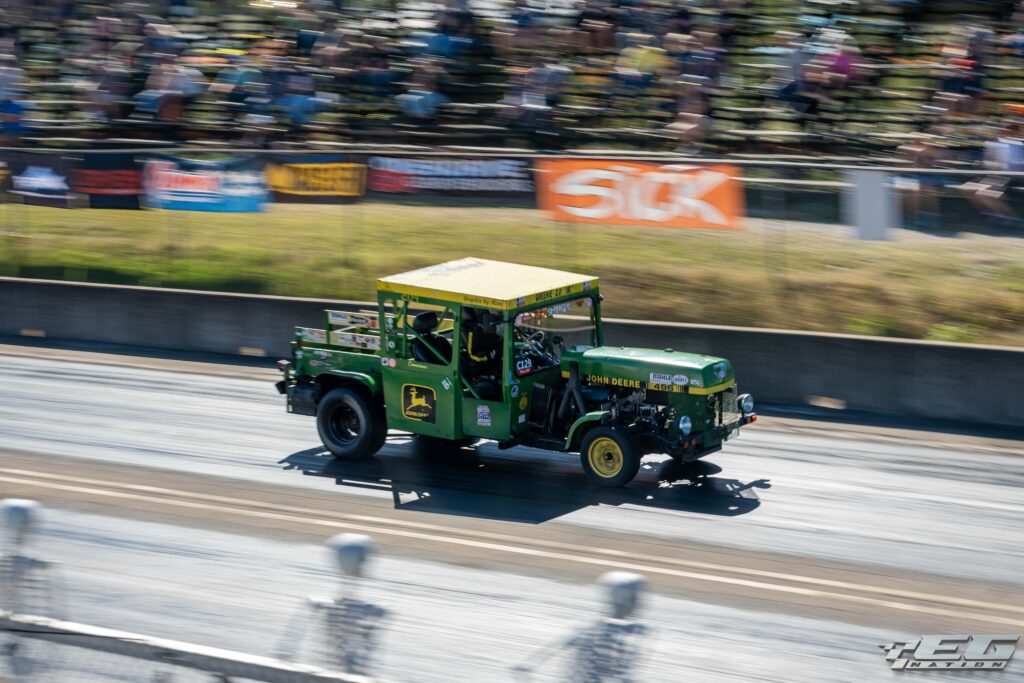
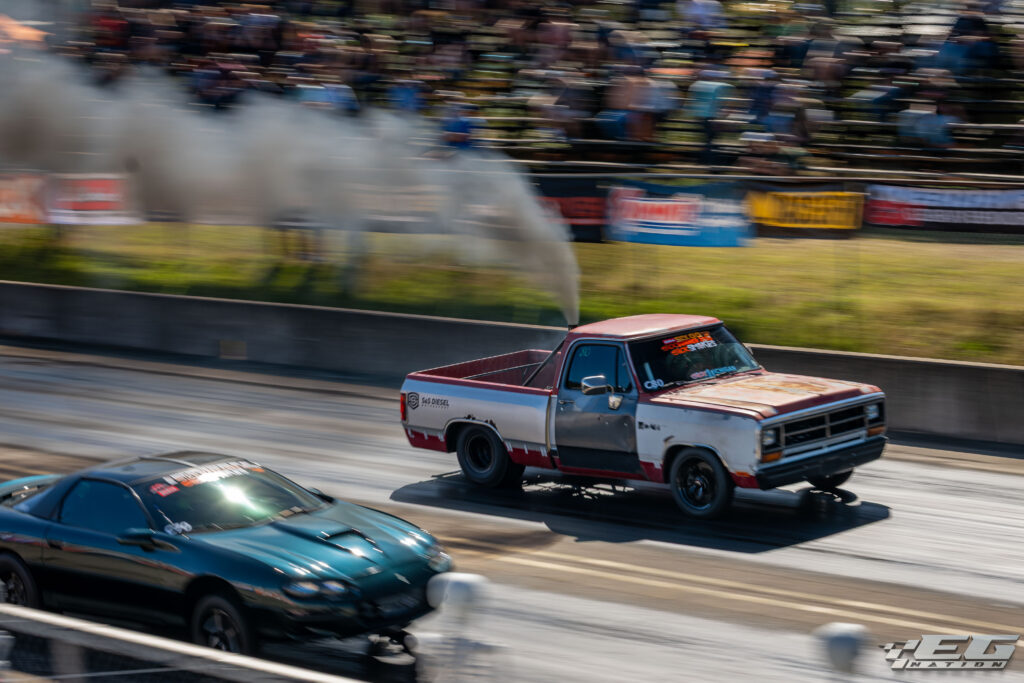
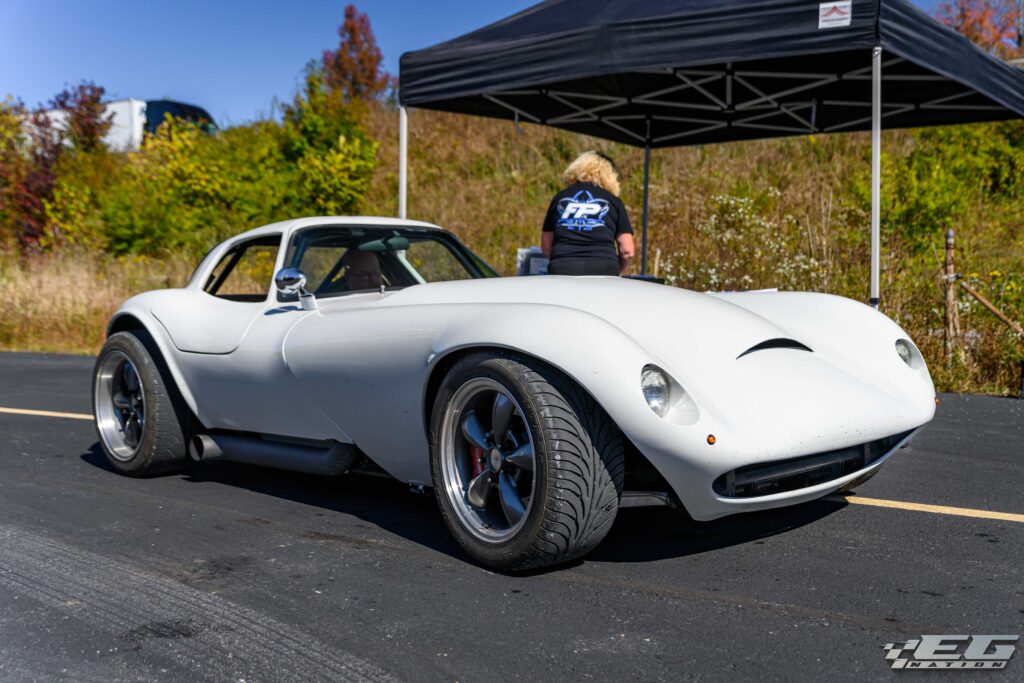
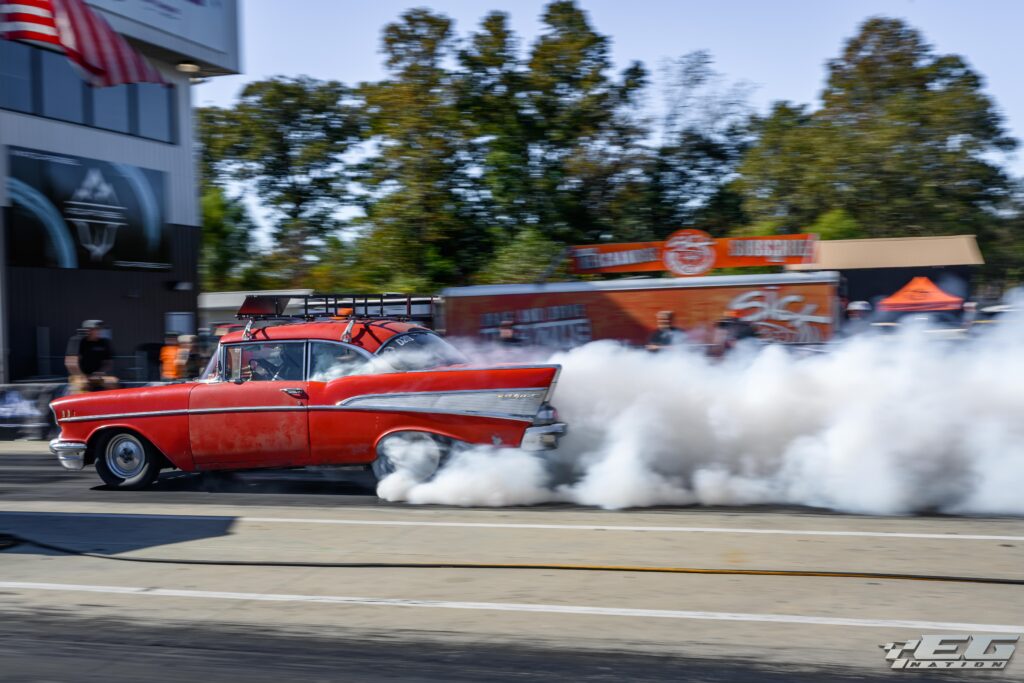
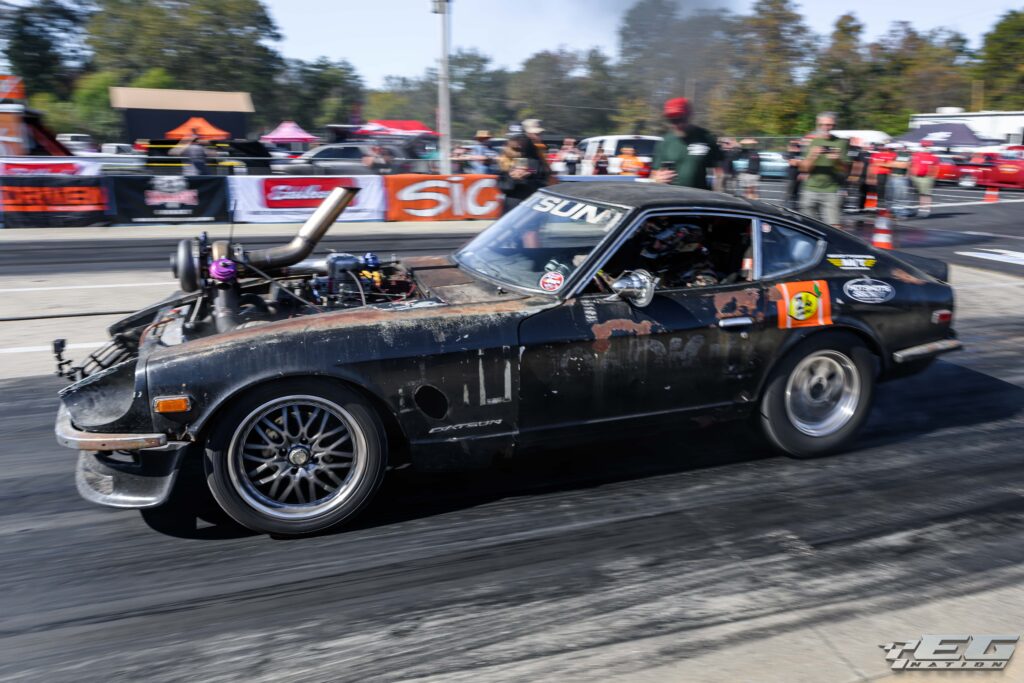
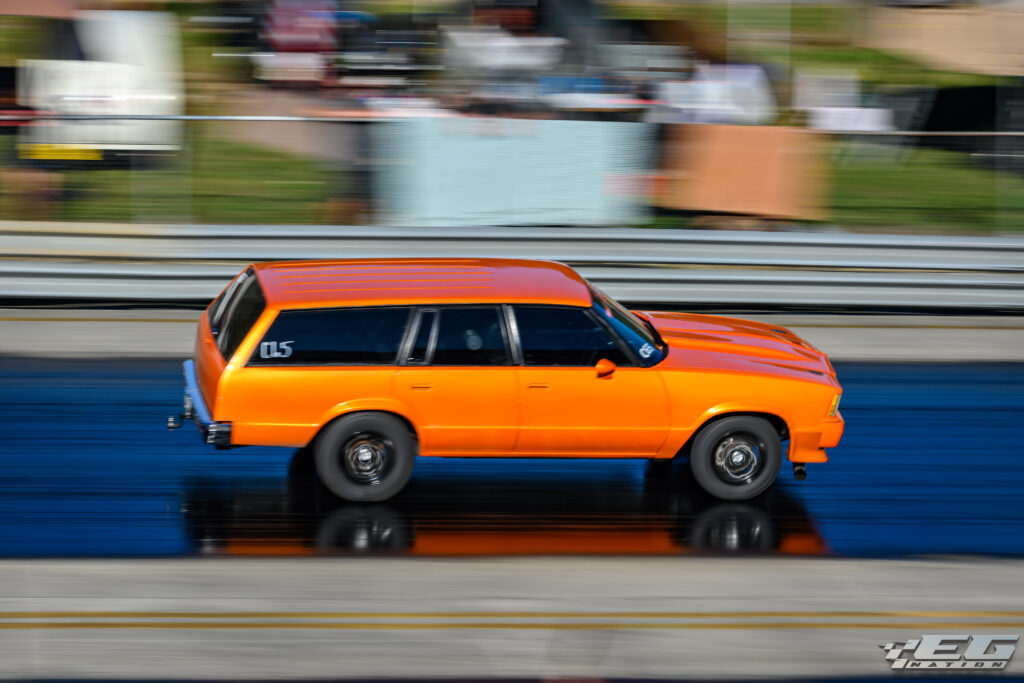
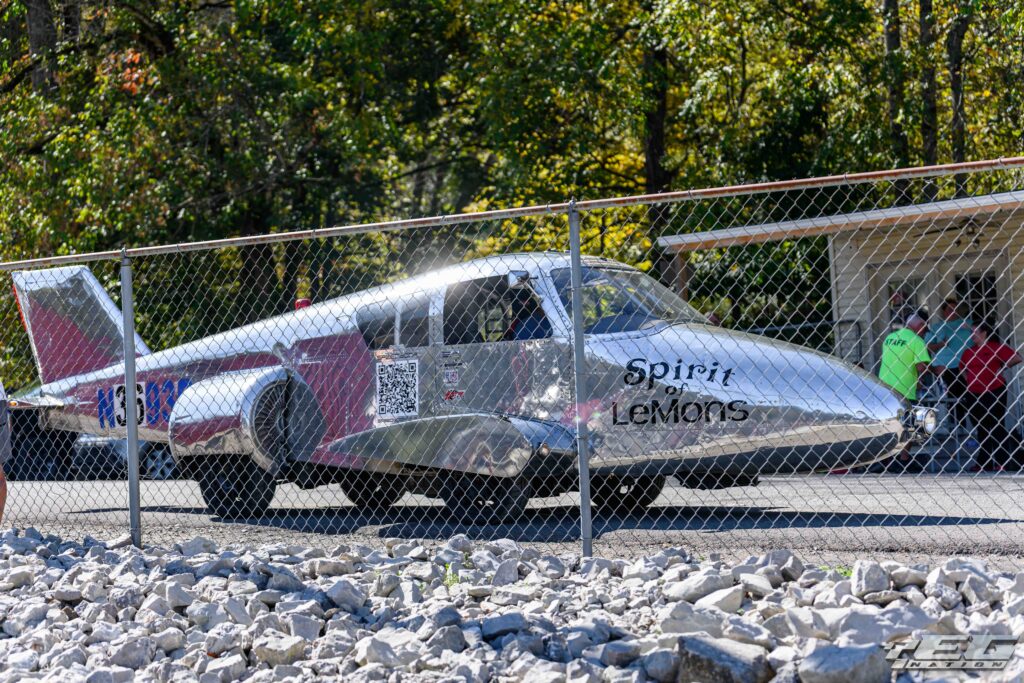
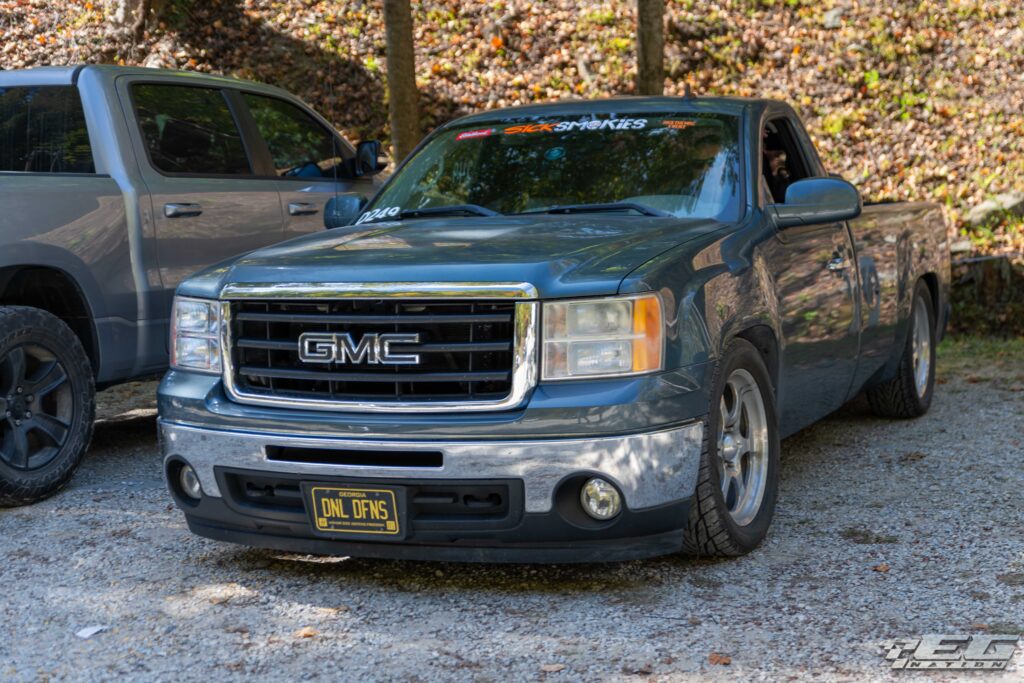
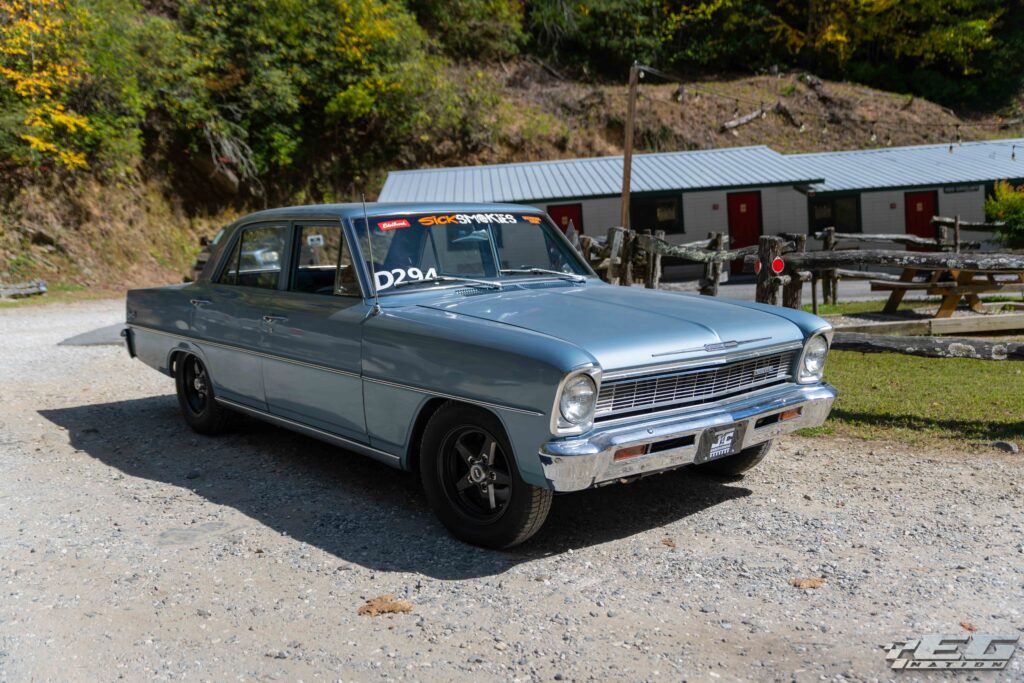
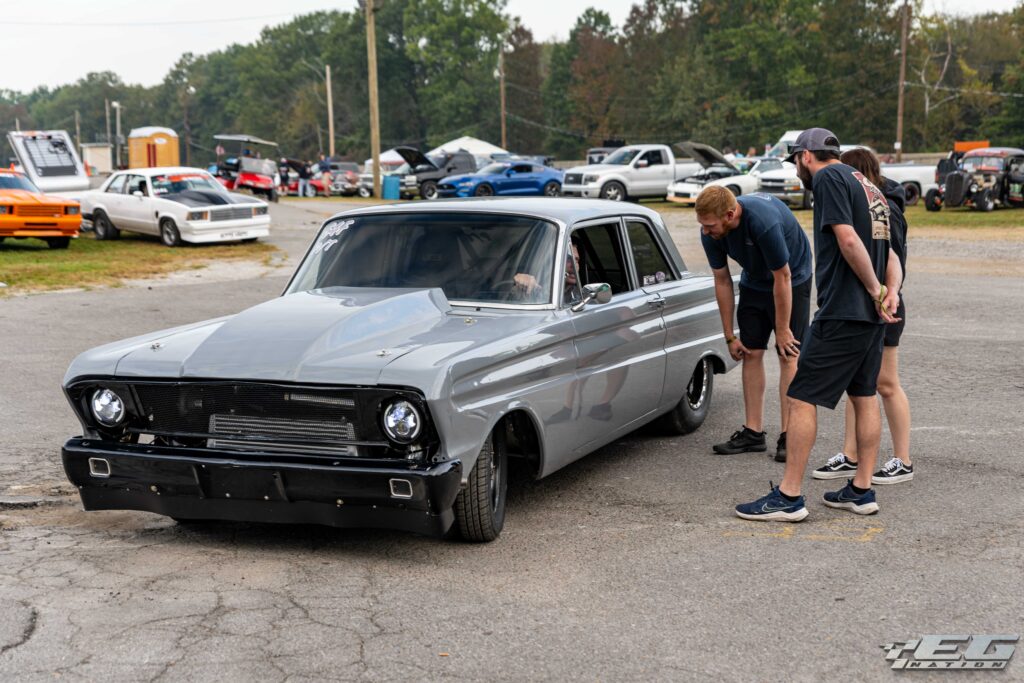
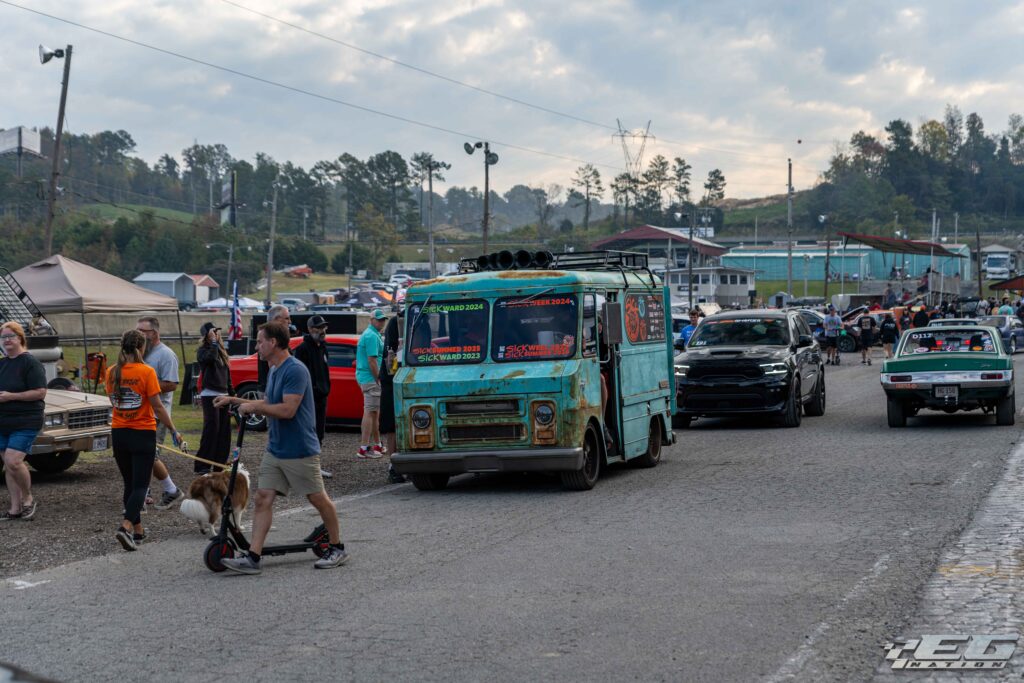
As it was my first Sick event, I was thoroughly surprised by the variety of vehicles participating. I expected to see nothing but Mustangs with LS-swaps and twin-turbos, but there was at least one car from every era from the ’20s until today, and powerplants (and power adders) ran the gamut. Of course, the entries leaned heavily toward domestic vehicles, but there was a smattering of imports as well. Heck, there was even a tractor!
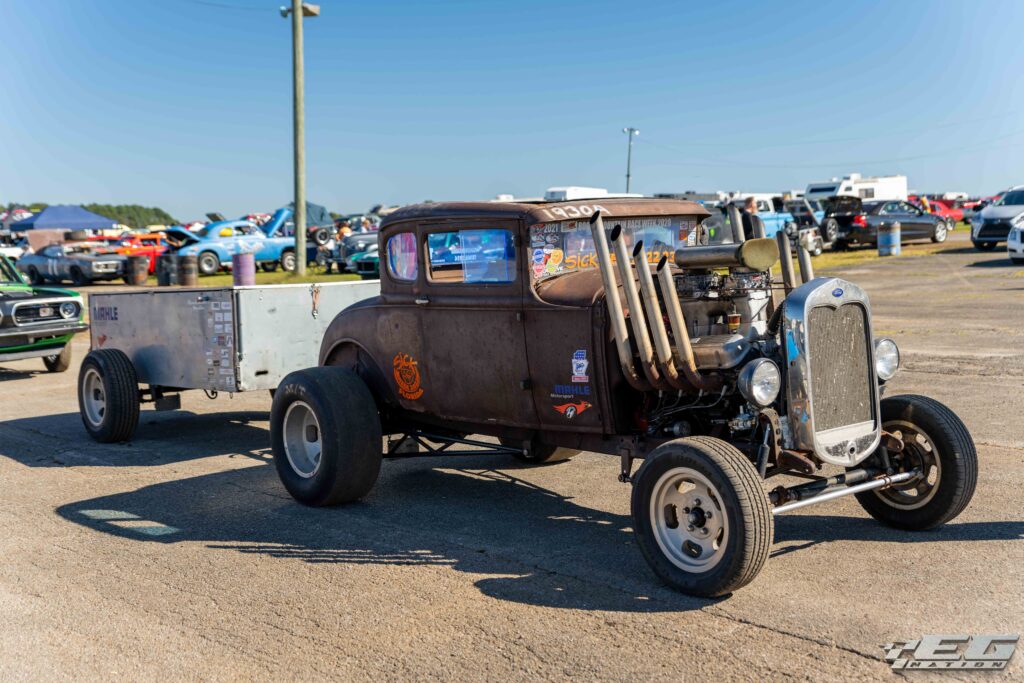
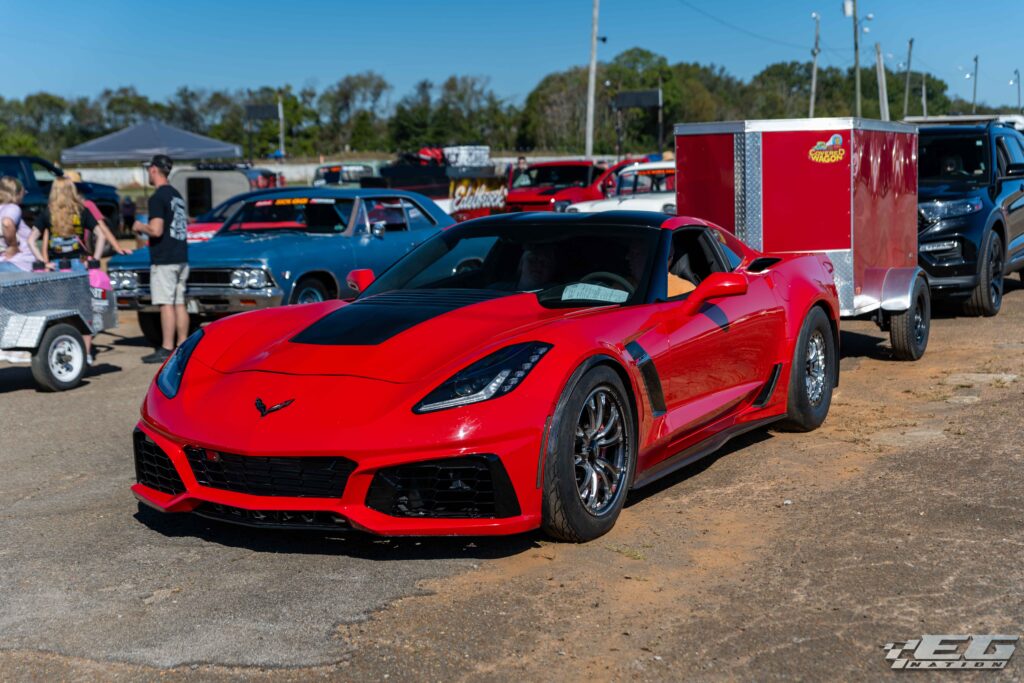
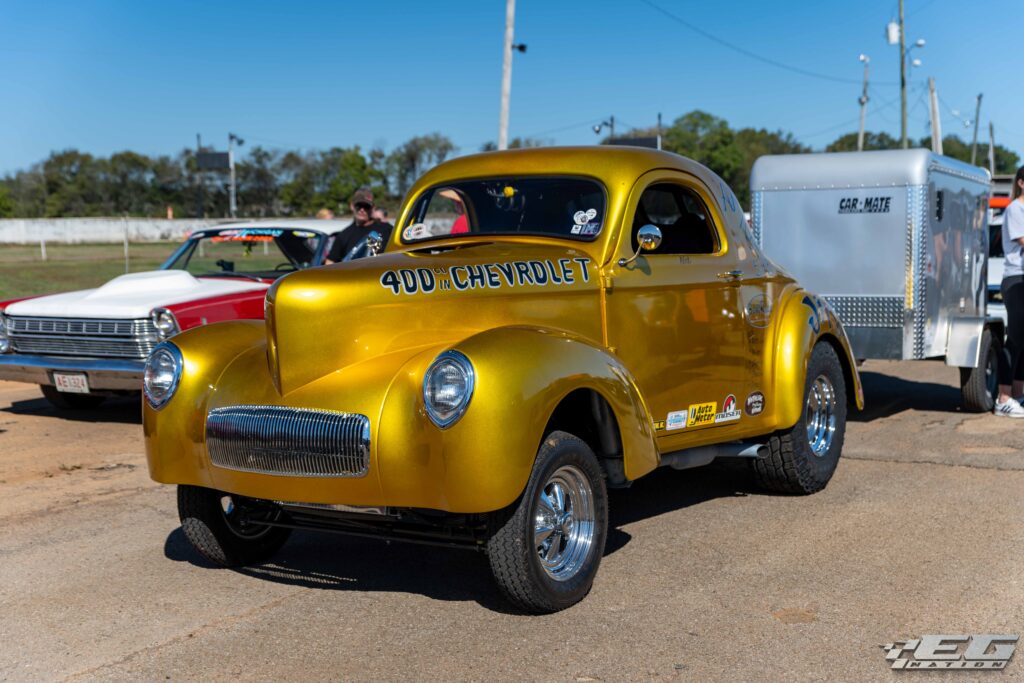
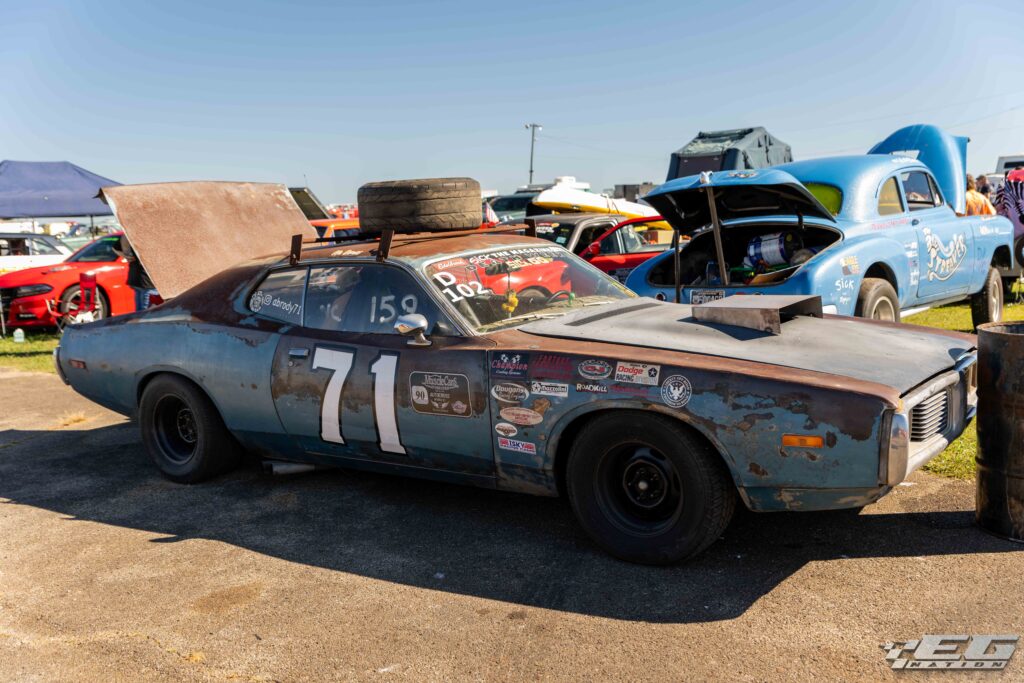
Sick Smokies Run Groups and Classes
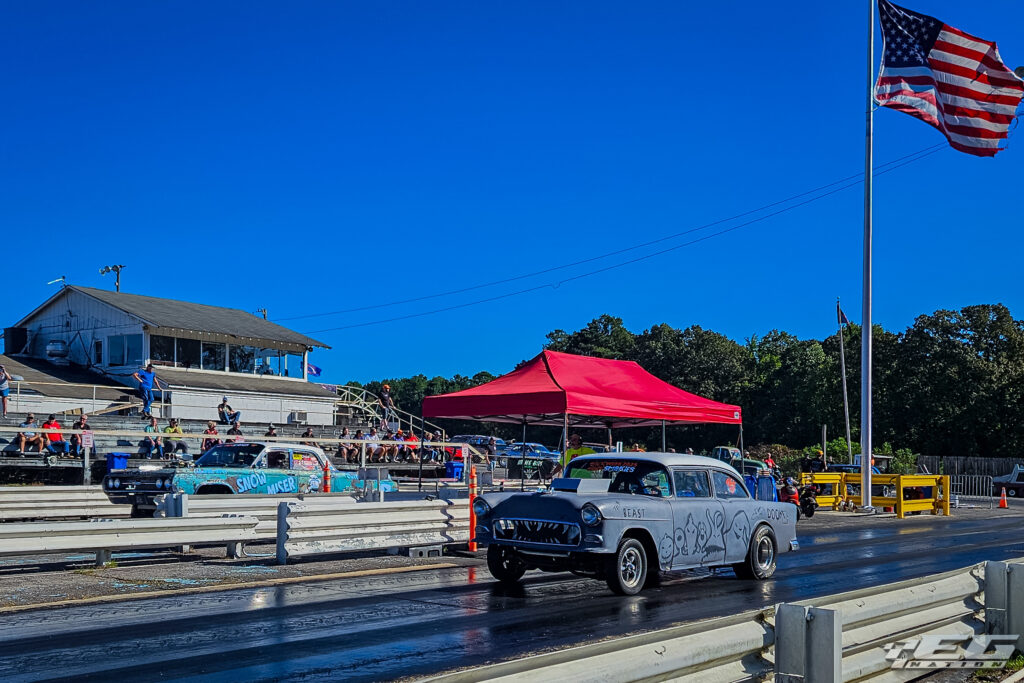
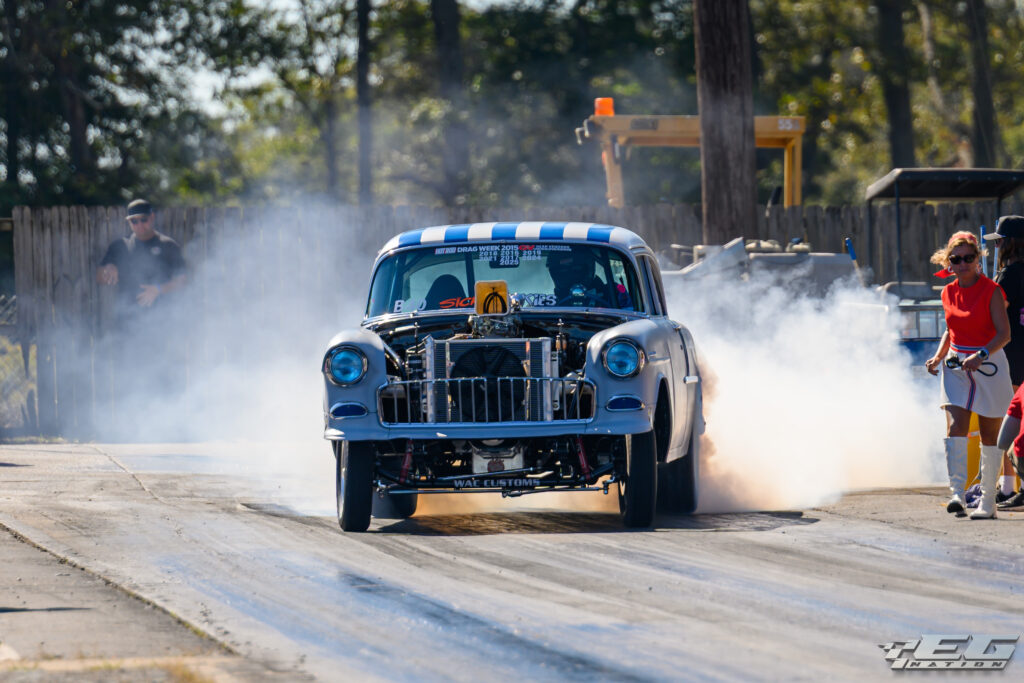
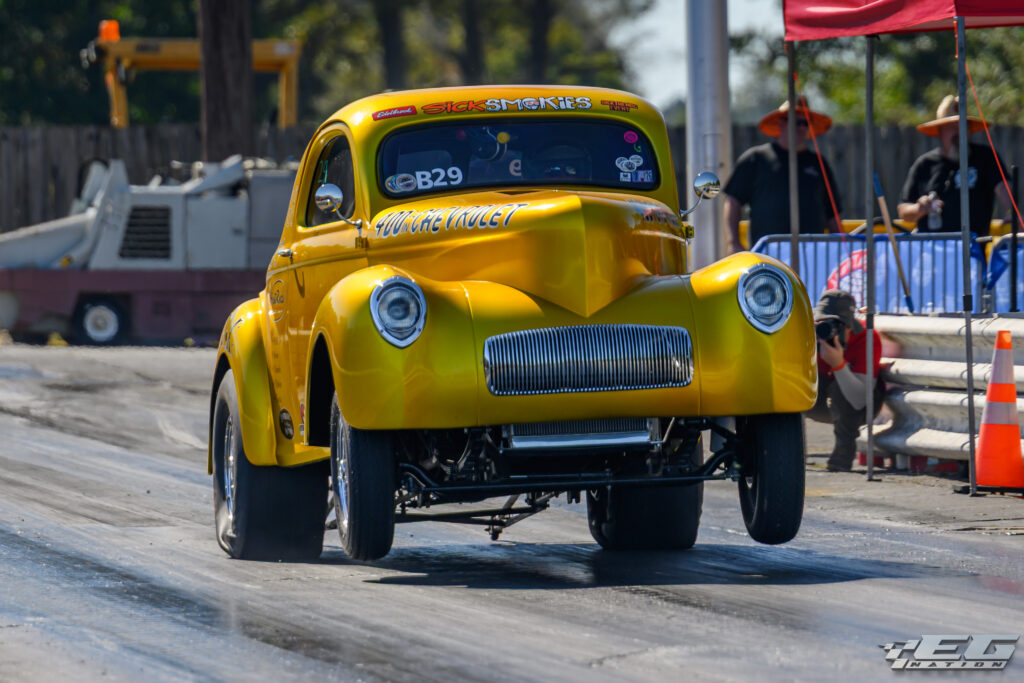
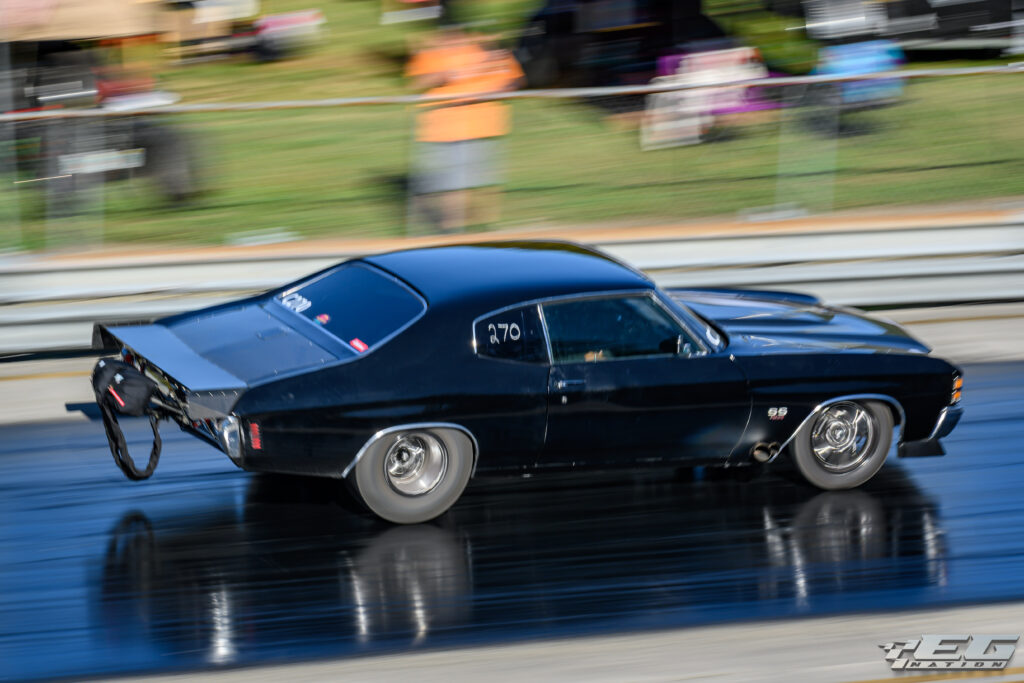
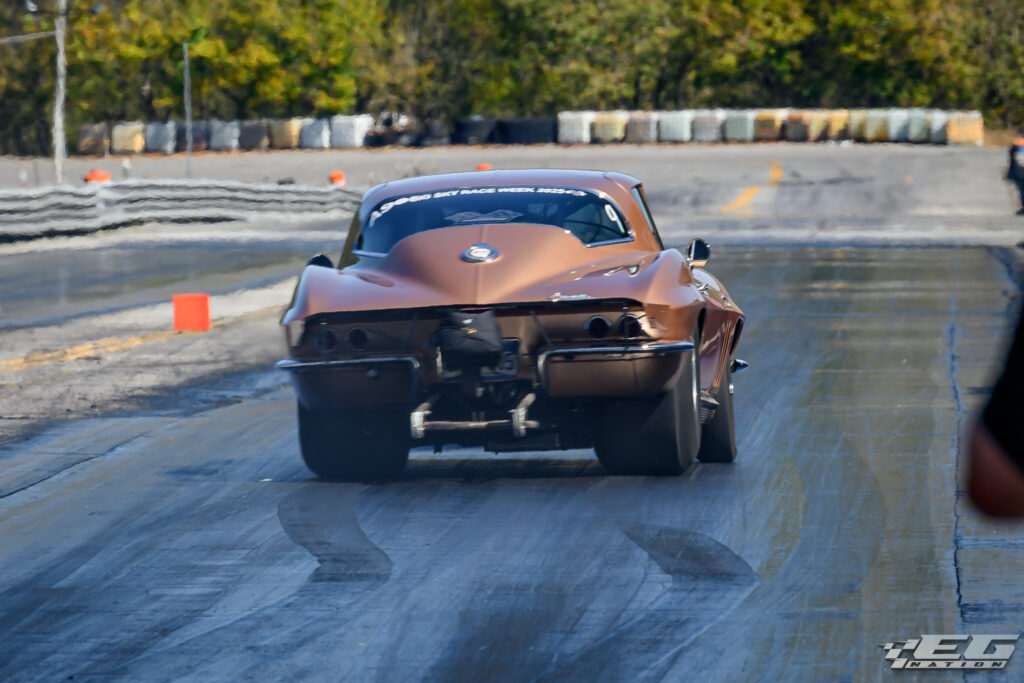
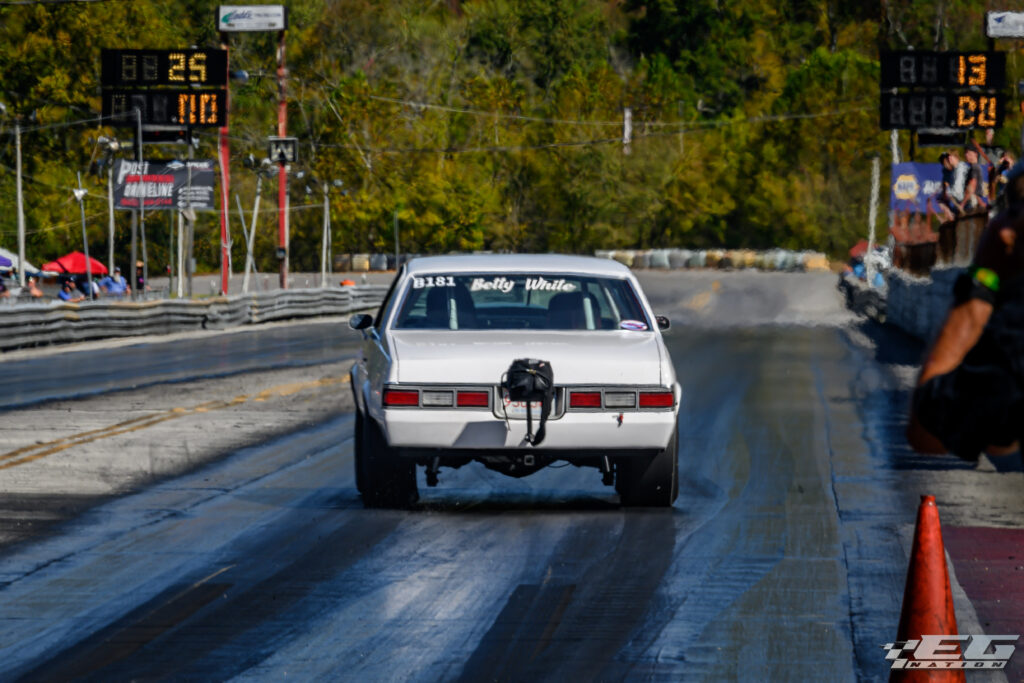
Sick Smokies is similar in style to other Sick events, with a couple of twists. Vehicles were placed into six run groups based on different criteria. Each run group got a dedicated session in the morning, followed by an “all-run” session in the afternoon. The A, B, C, and D groups consisted of general racers, while E included all cars running “hard-tires” (regular street tires). The final group was all the Gassers.
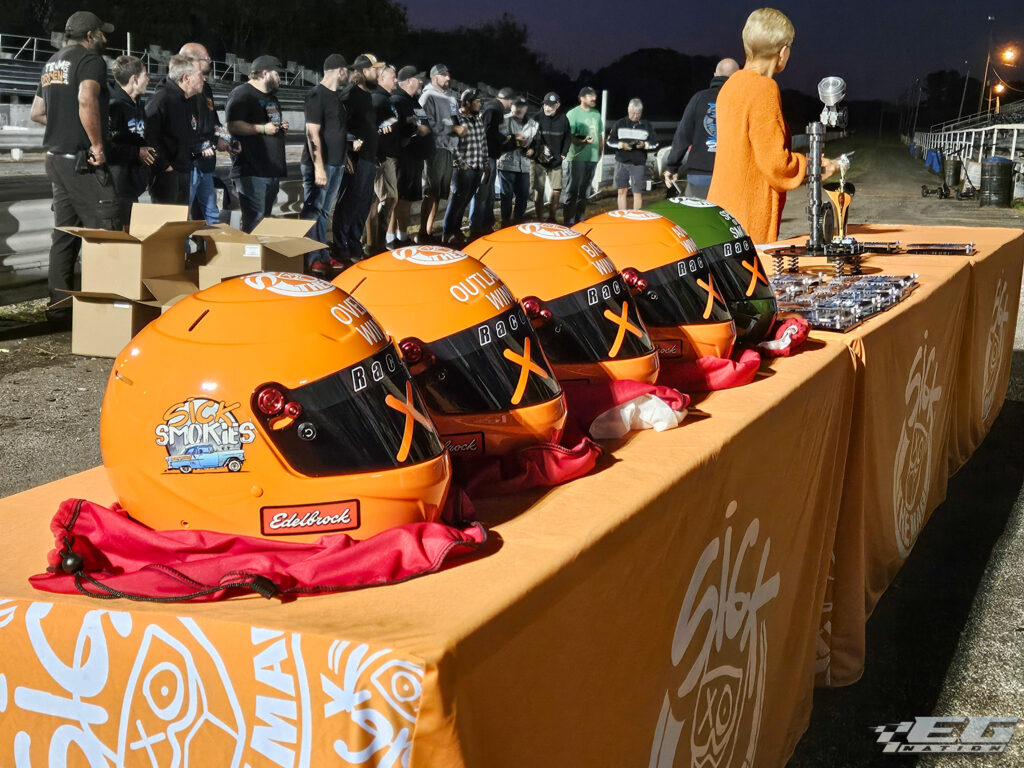
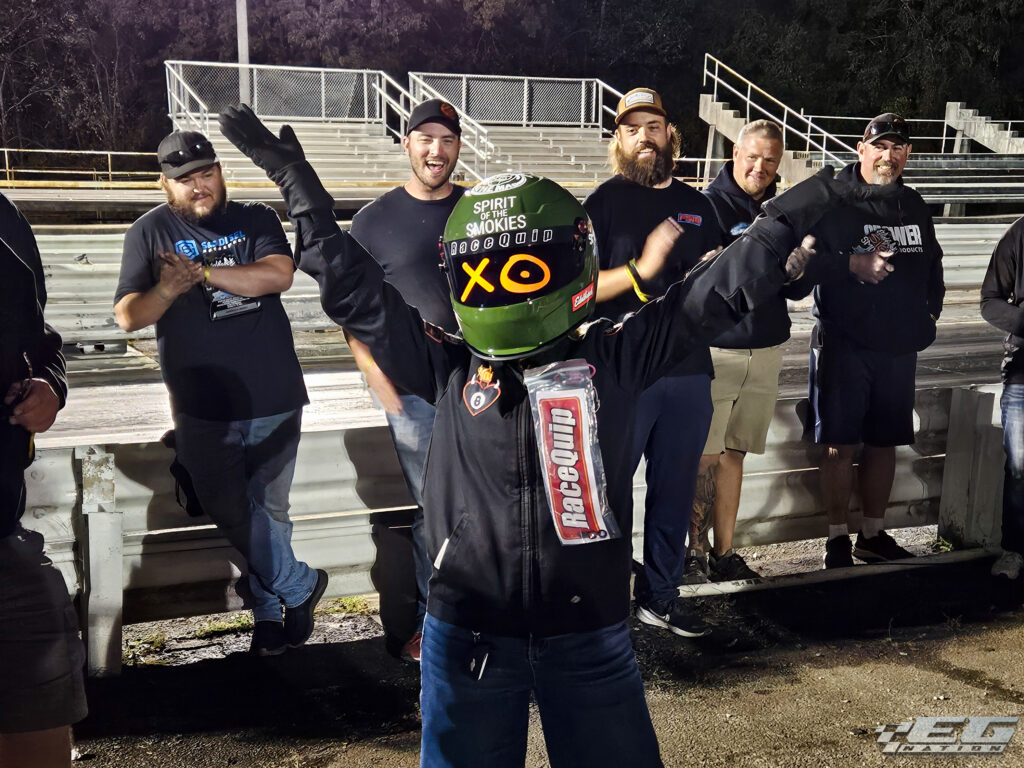
Groups A through D were grouped based on their practice-run elapsed times (or projected times), while Gassers and hard-tire cars ran with each other regardless of times. When participants registered, they chose a class to run in for whichever trophy they were chasing. For the A-D groups, there were 20 different “Quickest” classes, such as Chevy, Ford, Mopar, Stick Shift, Naturally Aspirated, NHRA Jr. Street, etc. The Gassers had three classes, including A/Gas, B/Gas, and Outlaw.
The Sick Smokies Route
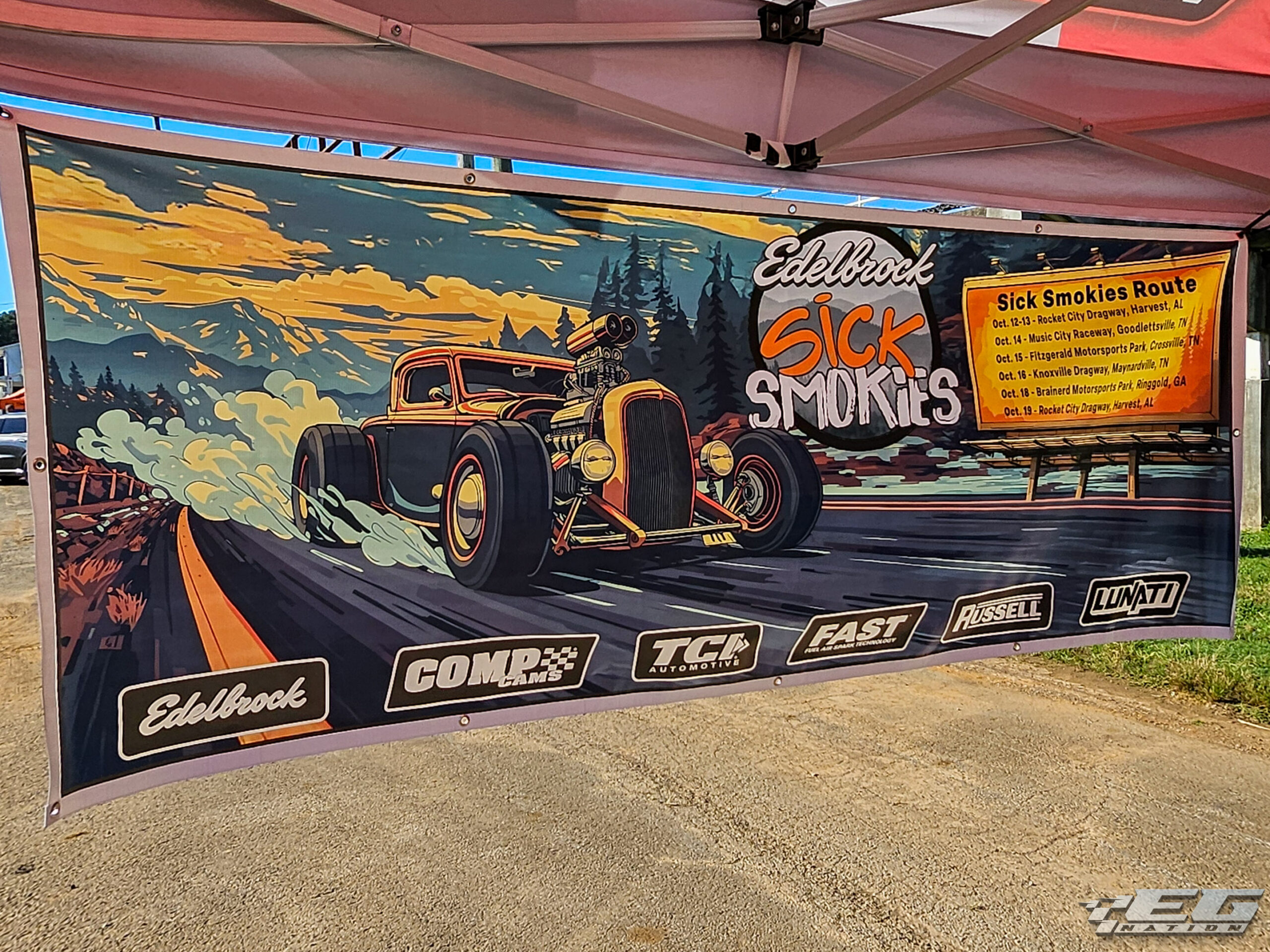
The route was a 981-mile loop that started and ended at Rocket City Dragway near Huntsville, Alabama, stopping at five different tracks. There were two to four checkpoints a day at historic or interesting sites along the way. For detailed day-to-day routes and distances between checkpoints, check out our other article introducing you to Sick Smokies.
Day 0 – Rocket City Dragway
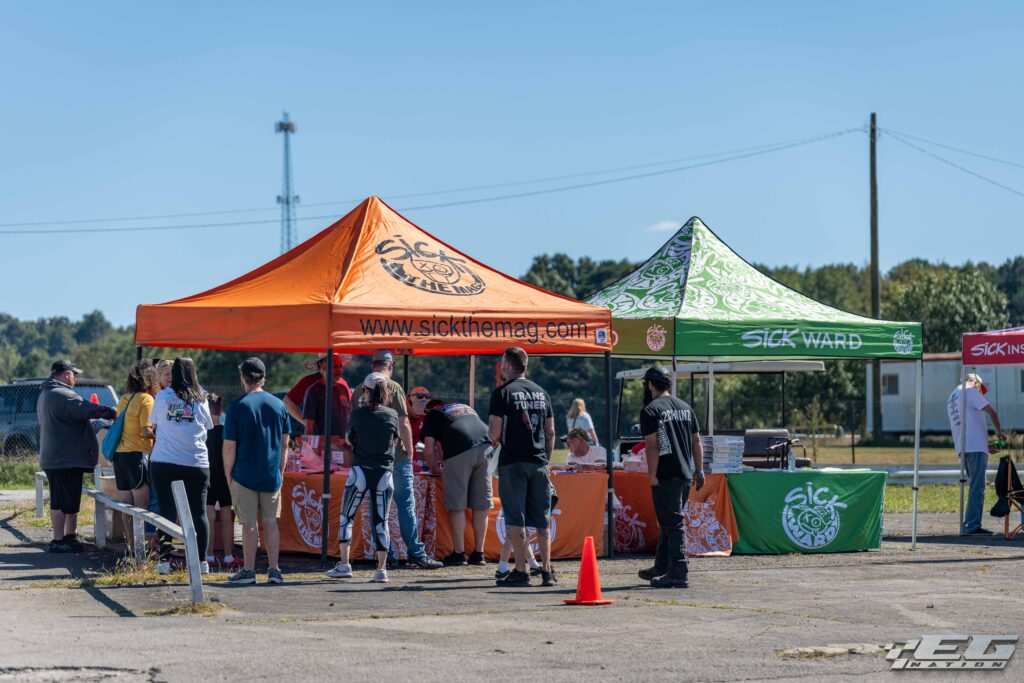
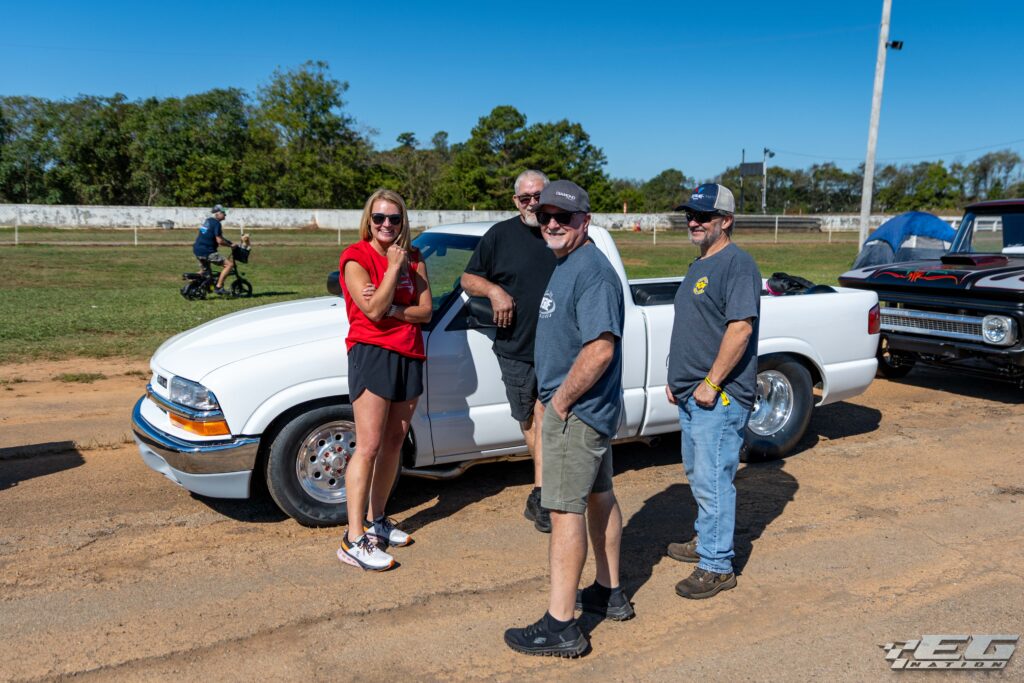
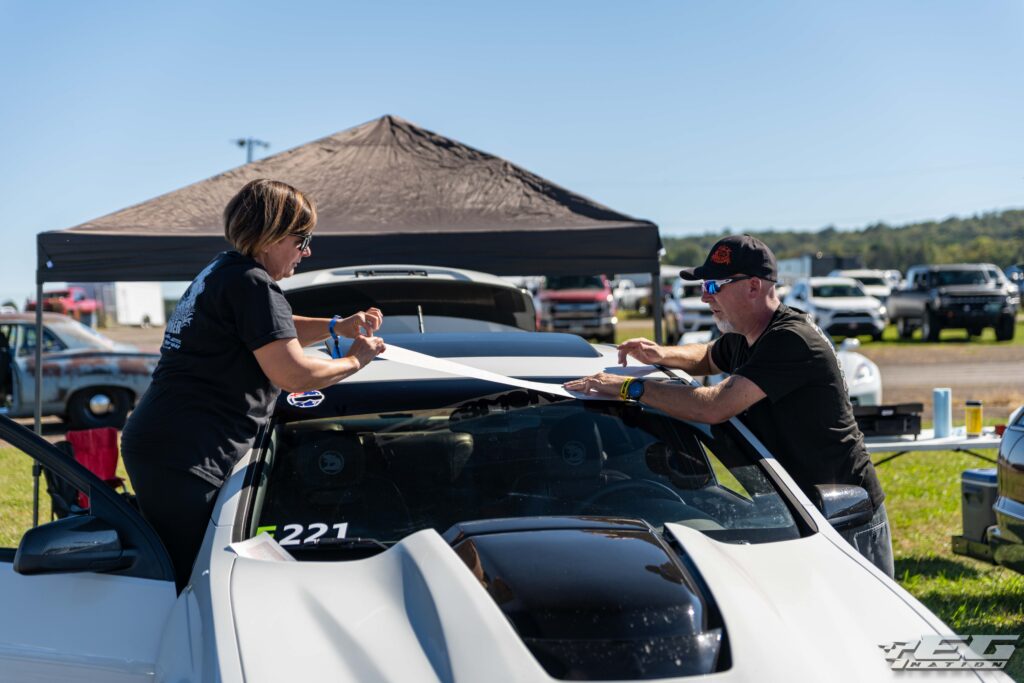
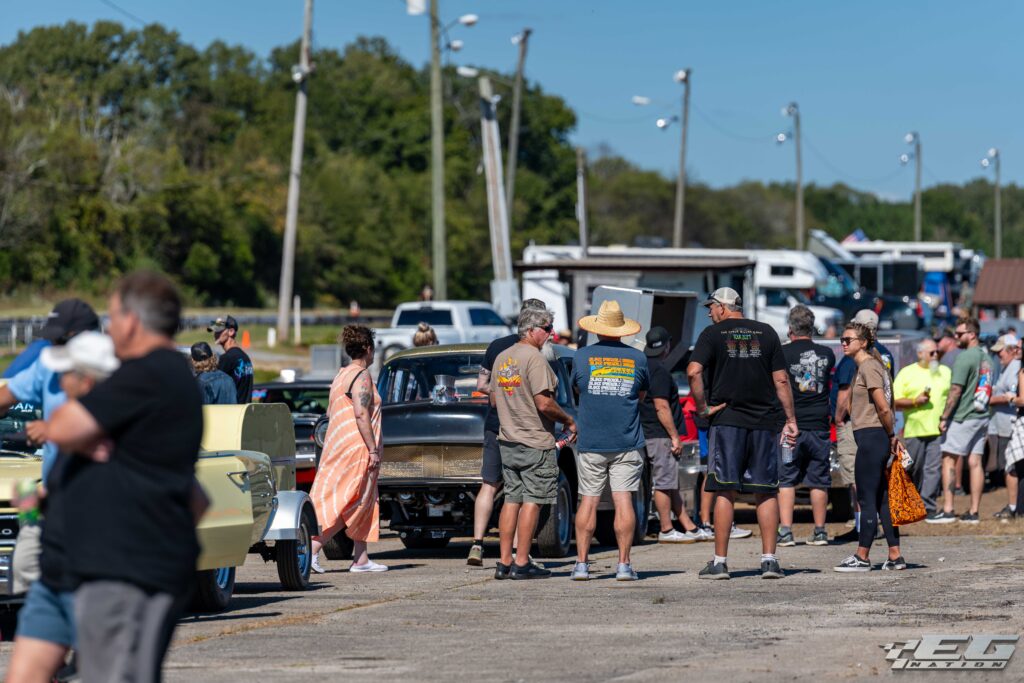
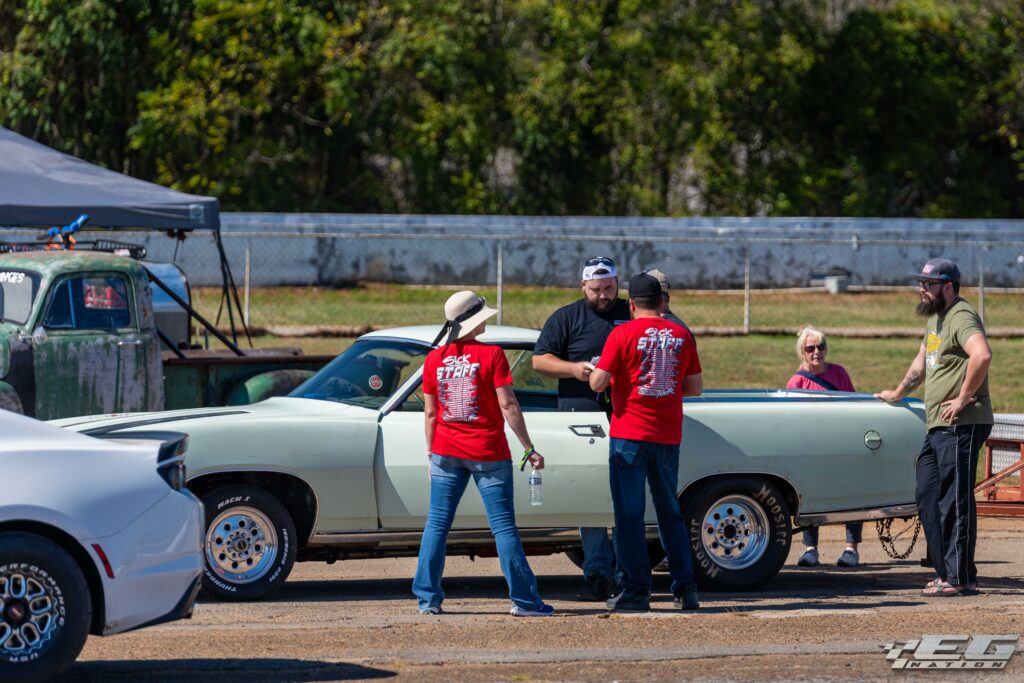
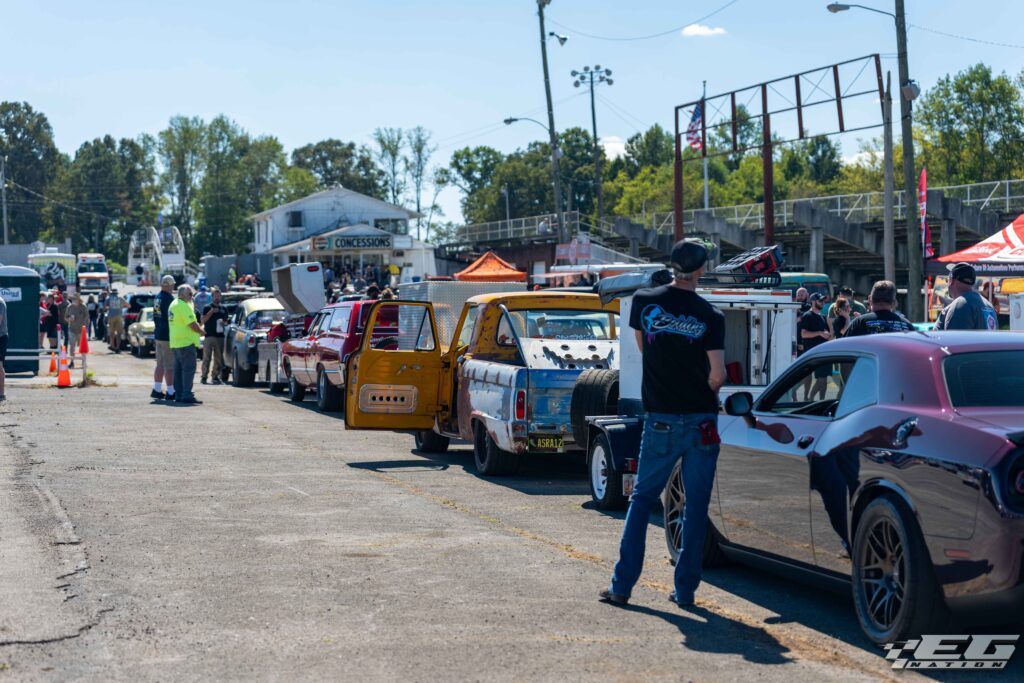
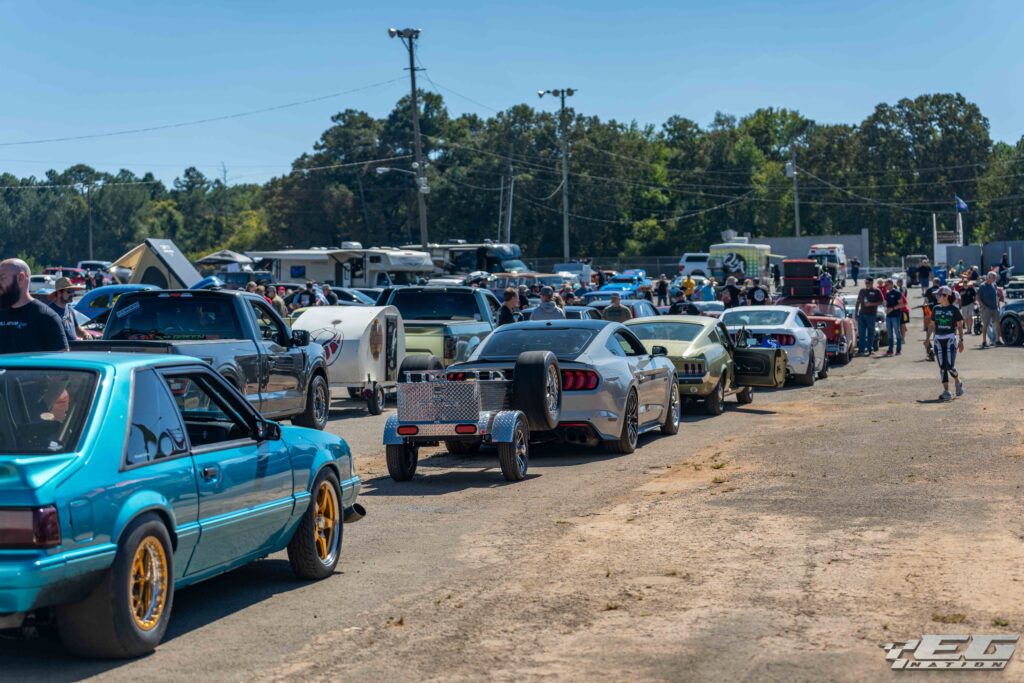
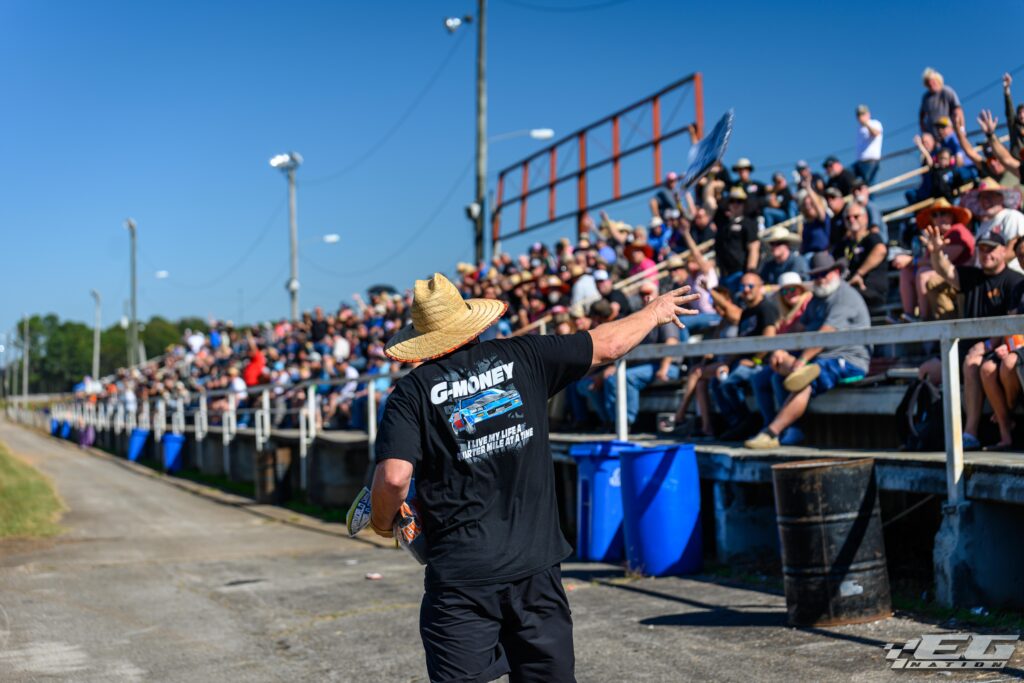
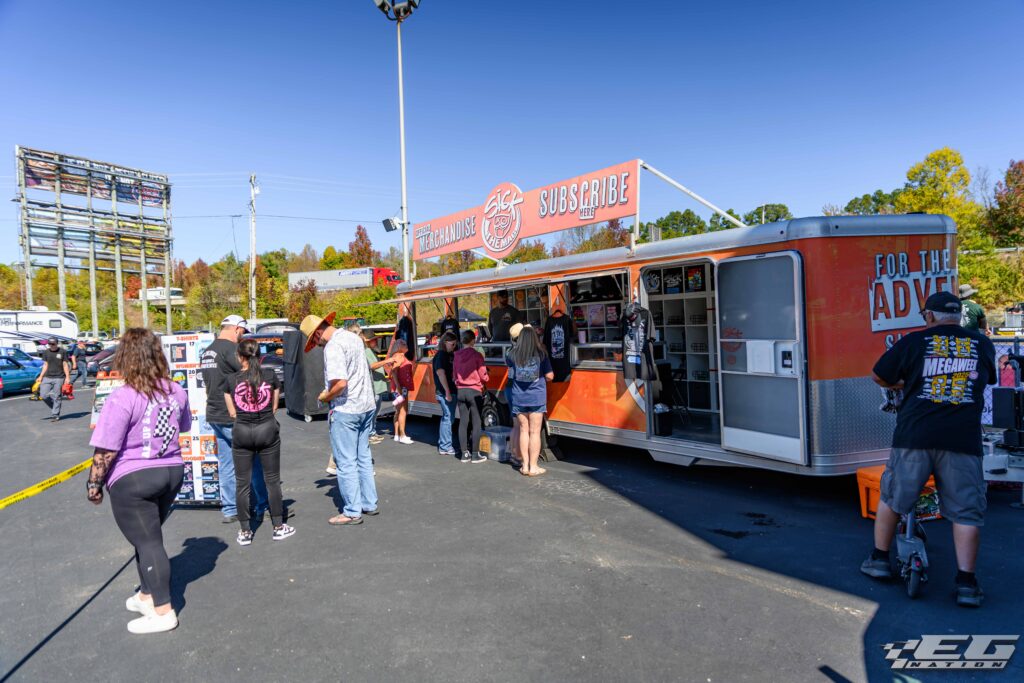
It all started at Rocket City Dragway in Harvest, Alabama, for check-in, NHRA tech inspection, and practice passes. Day 0 had a family-reunion vibe — many participants are repeat customers, some who attend every Sick event. It was a lot of standing in line waiting to get teched, but Sick made it comfortable, with the largest stack of free Domino’s pizzas I’ve ever seen. Tom Bailey, the owner of Sick The Magazine, was personally handing out slices to waiting racers. Once the final car was teched, they had a quick driver’s meeting, then teams could make practice passes until 5 o’clock to dial in their setups.
Day 1 – Rocket City Dragway
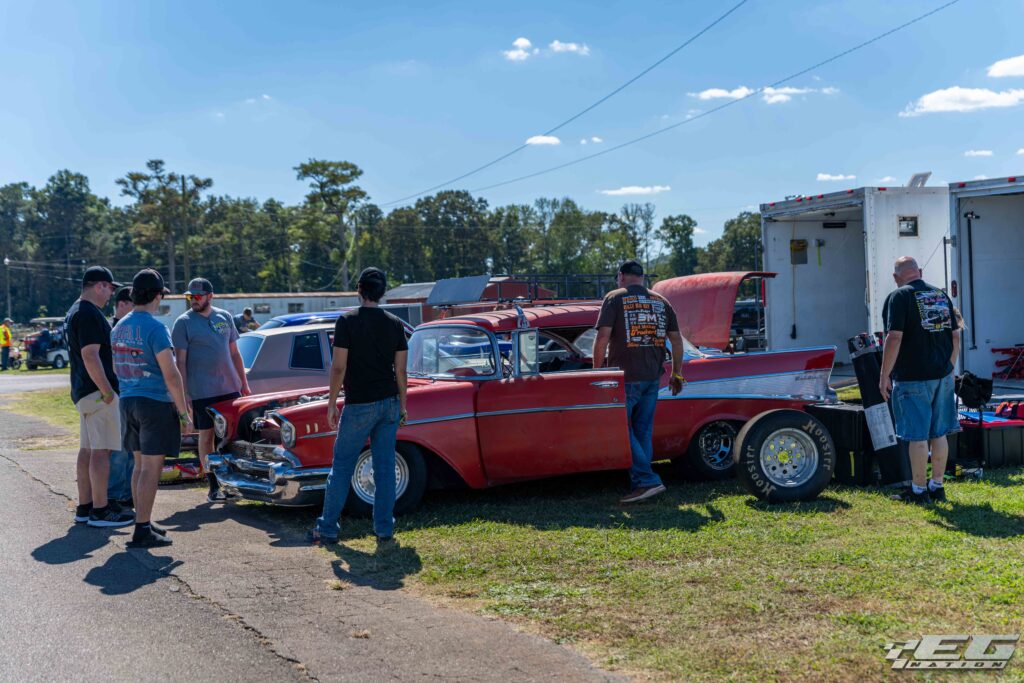
Time for things to get down to business! Cars and trailers were quarantined in the pits at Rocket City Dragway— there was no going back to your hauler, even to get a wrench. Once you were parked in quarantine, what you had in your car or the trailer you were pulling was all you could use. From that point forward, the only people who could touch the car were the driver, copilot, or another competitor — no crew allowed.
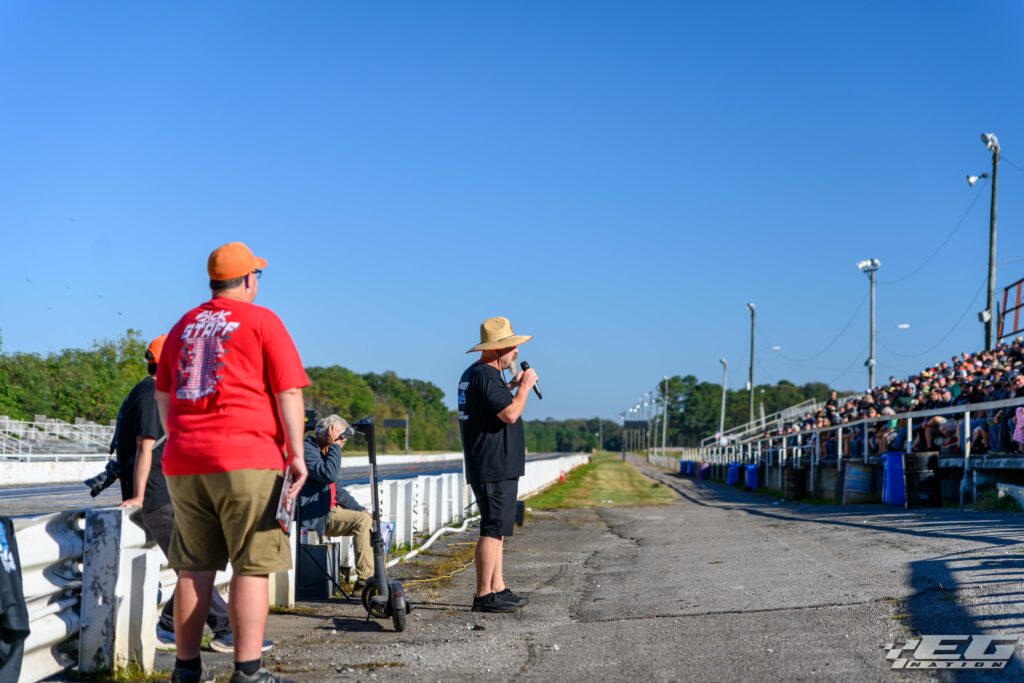
At the morning driver’s meeting, Tom Bailey drew a chip to determine which group, B, C, or D, would start the day (it would then rotate each day thereafter). Groups A and Gassers always ran mid-day.
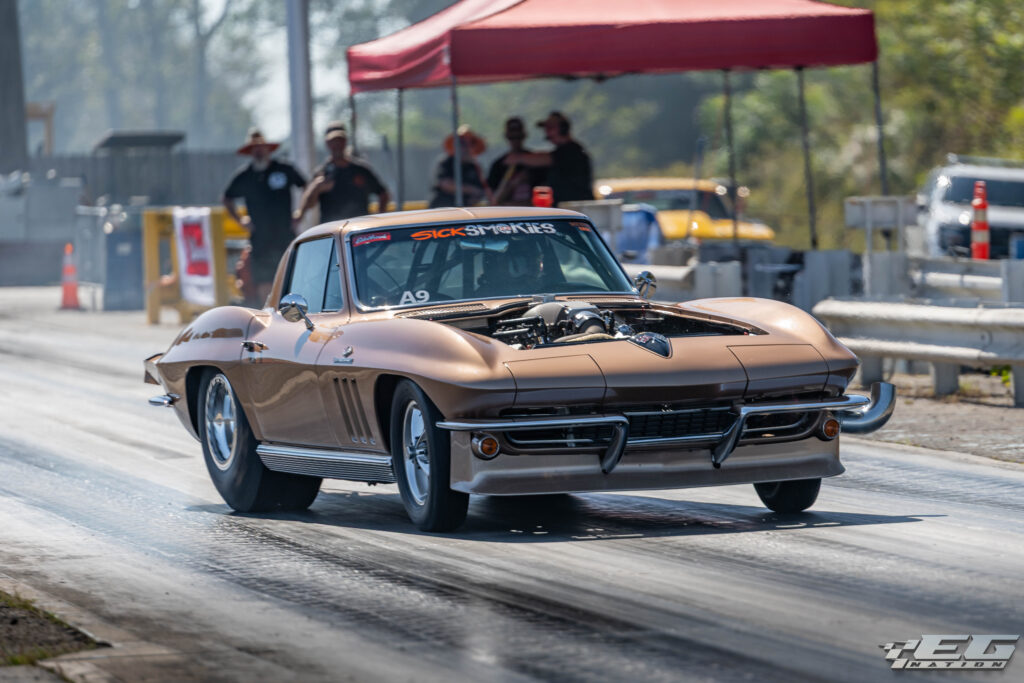
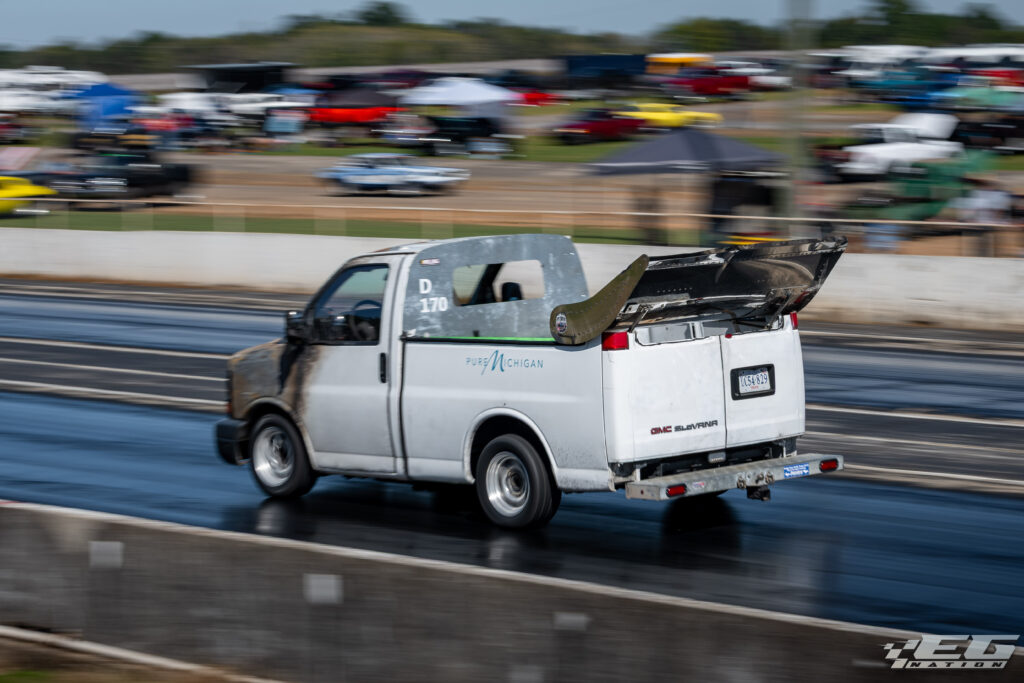
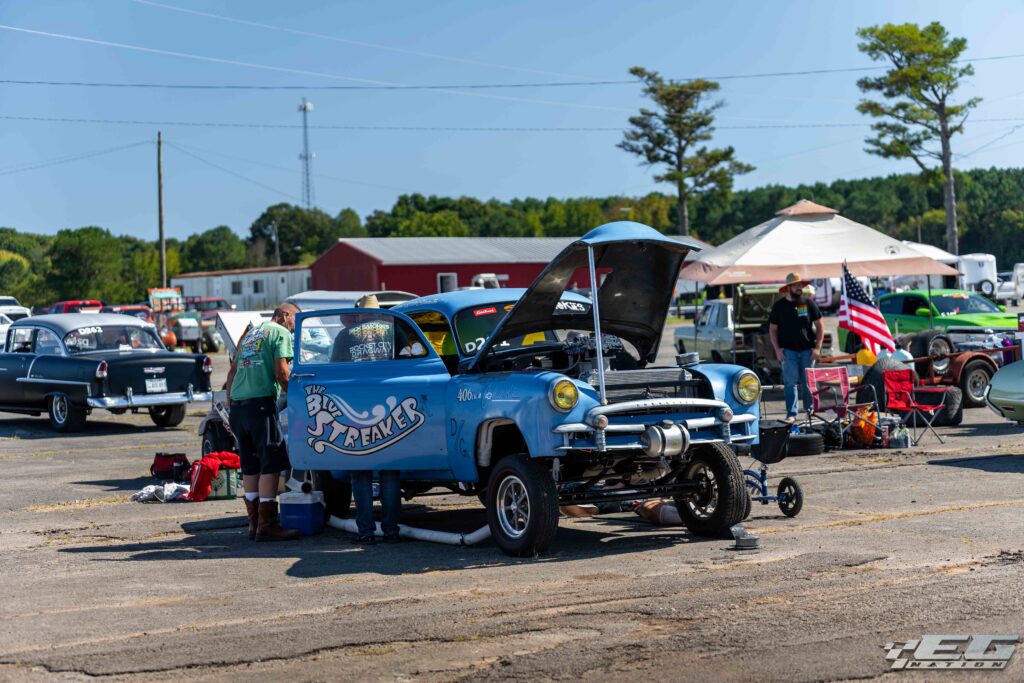
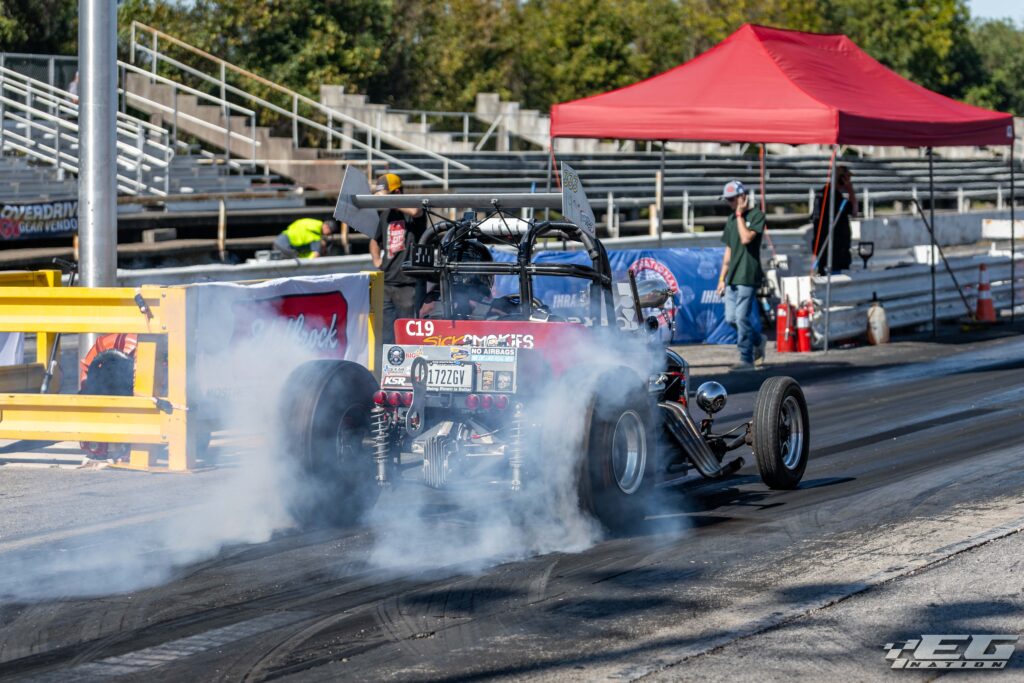
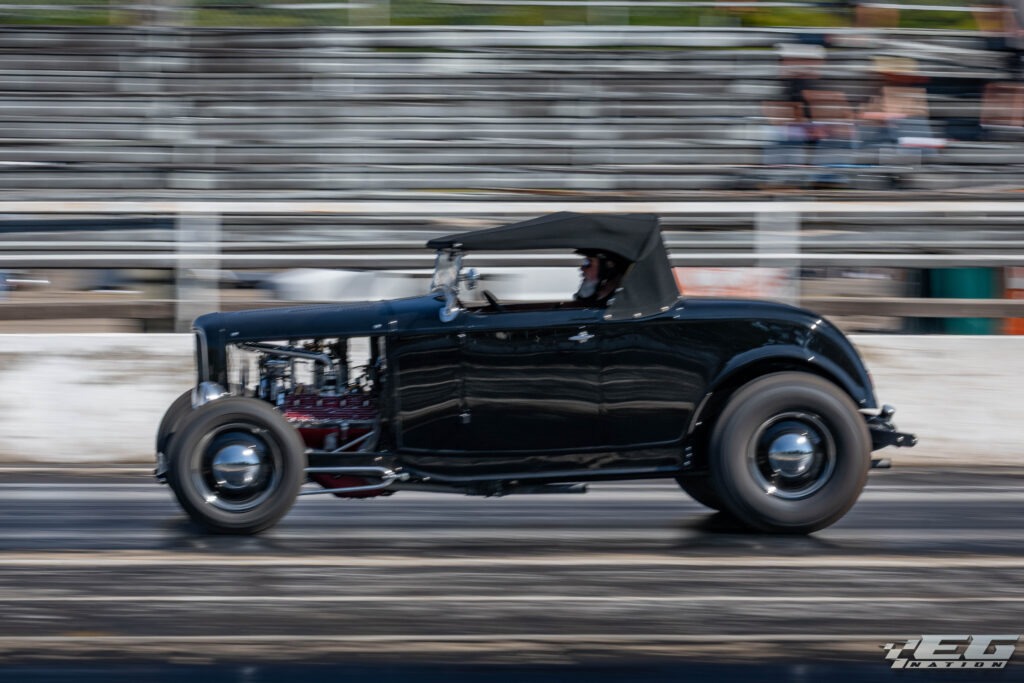
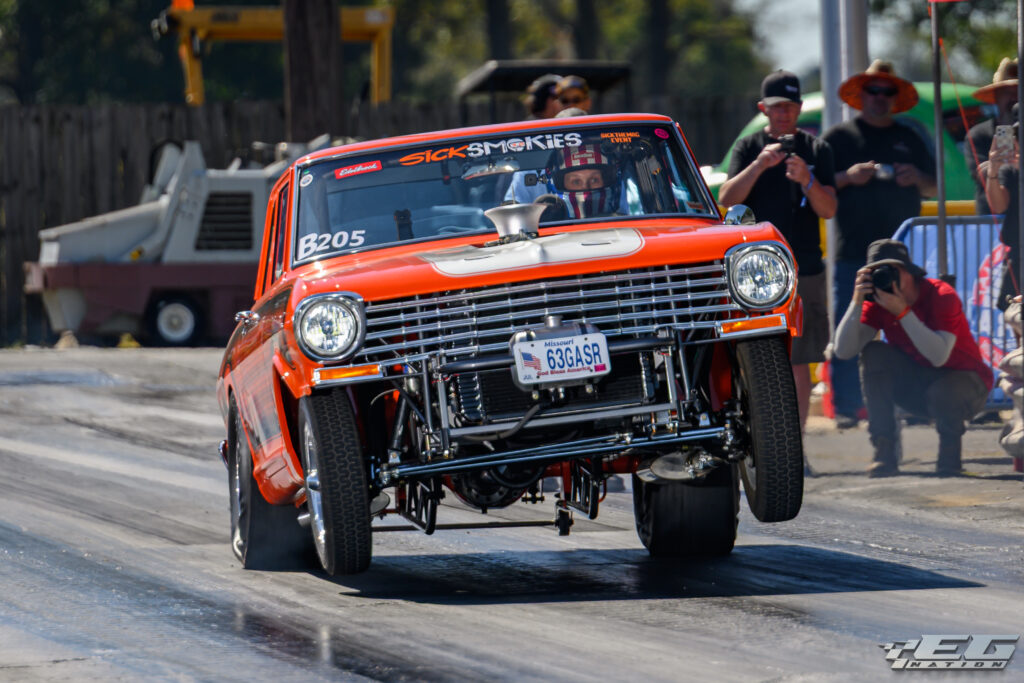
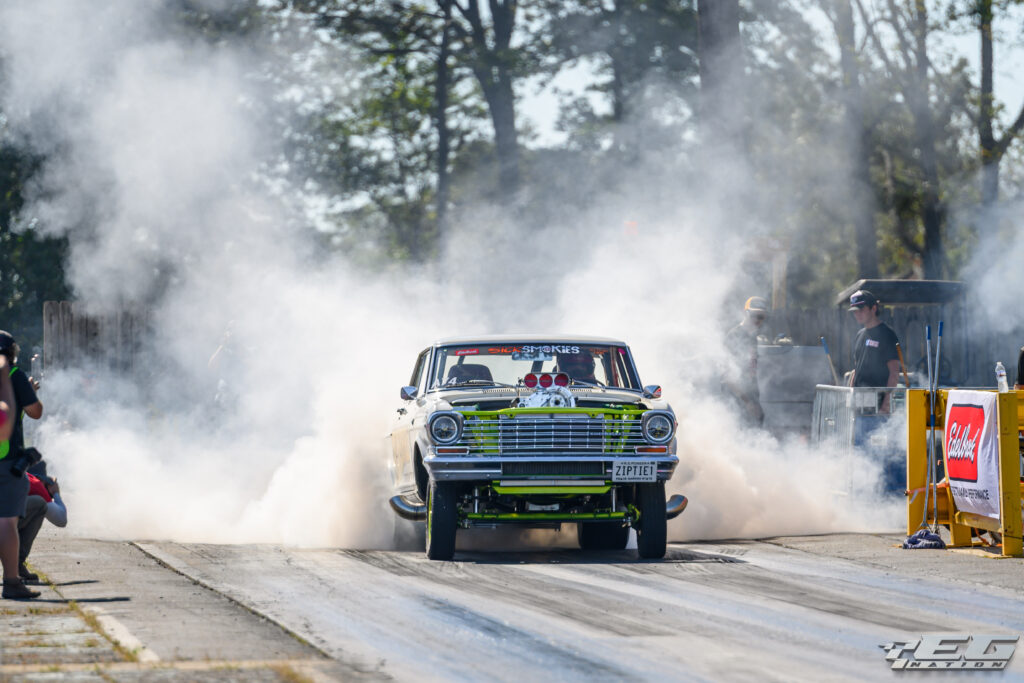
Day 2 – Music City Raceway
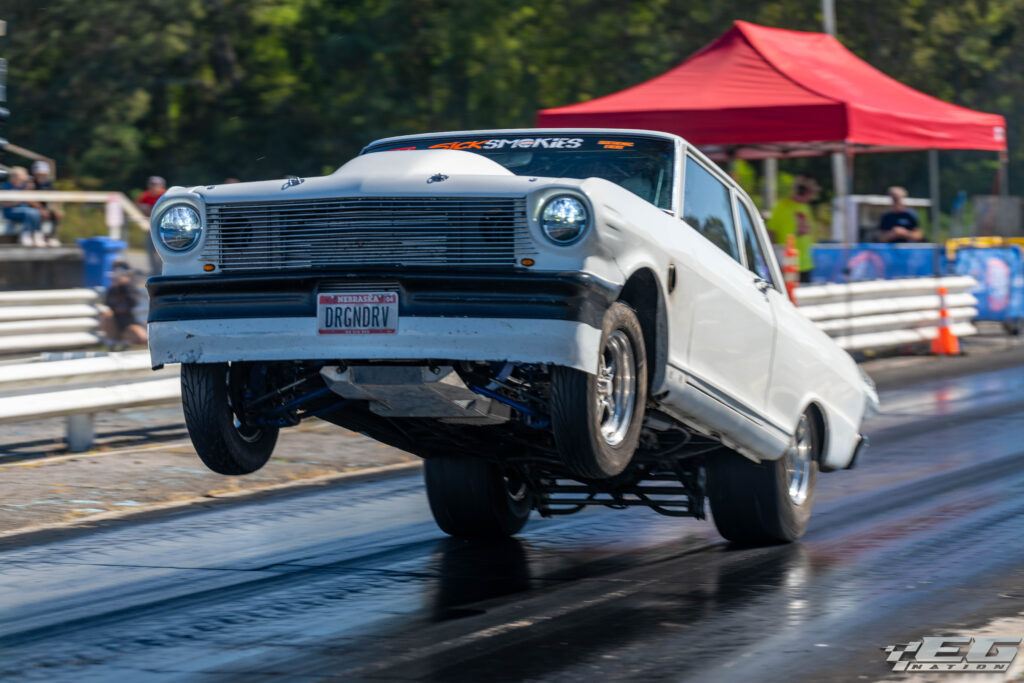
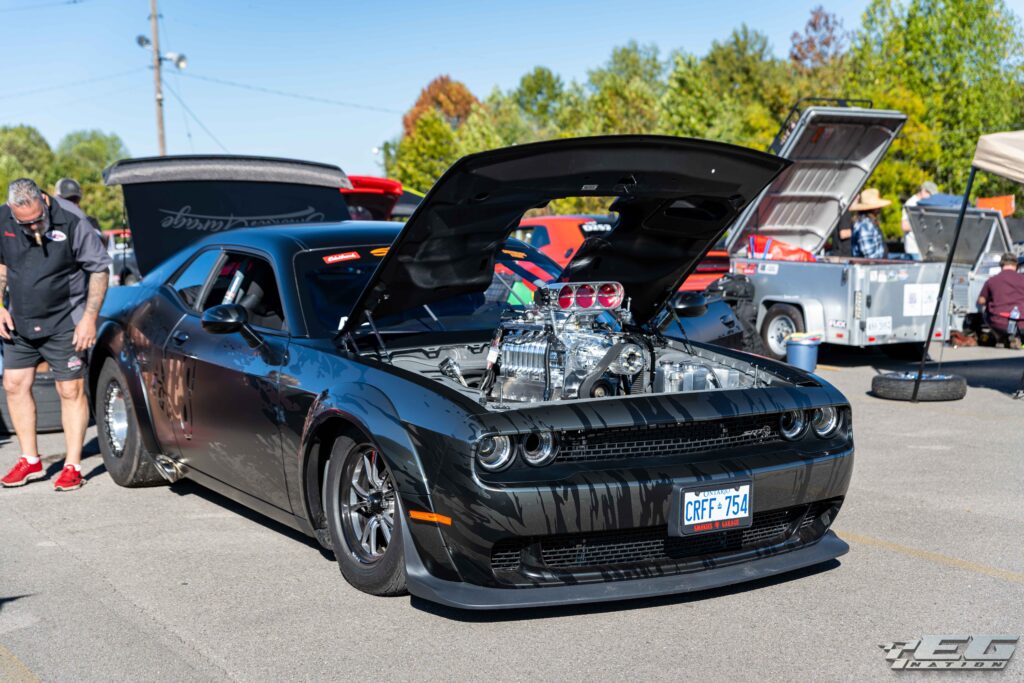
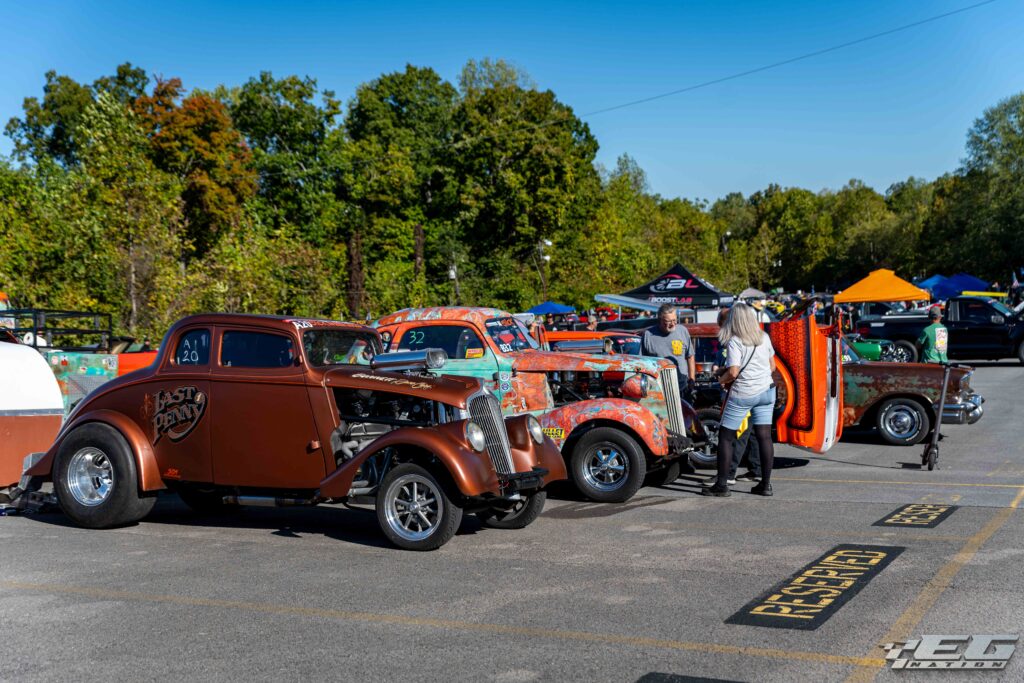
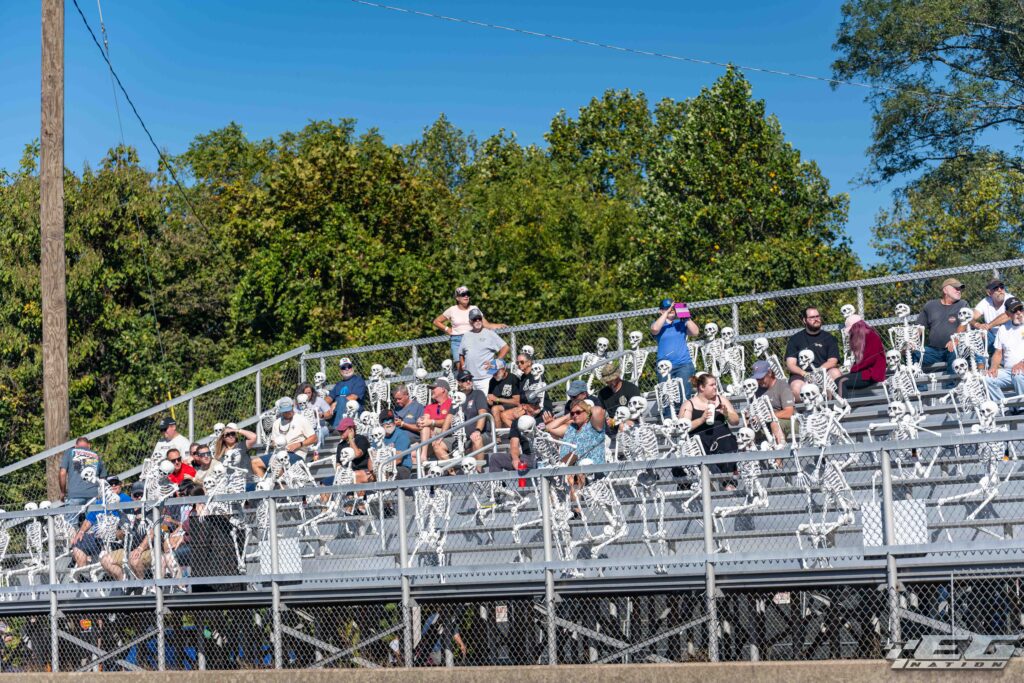
Day 2 was eventful at Music City Raceway in Goodlettsville, Tennessee. It’s a gorgeous facility set within rolling hills, and it was all decked out for Halloween (maybe that was an omen). The starting tree began acting up, causing a few delays, before a faulty wire was replaced with a backup. Sick Smokies was back in business . . . until one of the Gassers wheelied into the tree, running over the backup cable in the process. With no other choice, Sick had to cancel the rest of the day’s races.
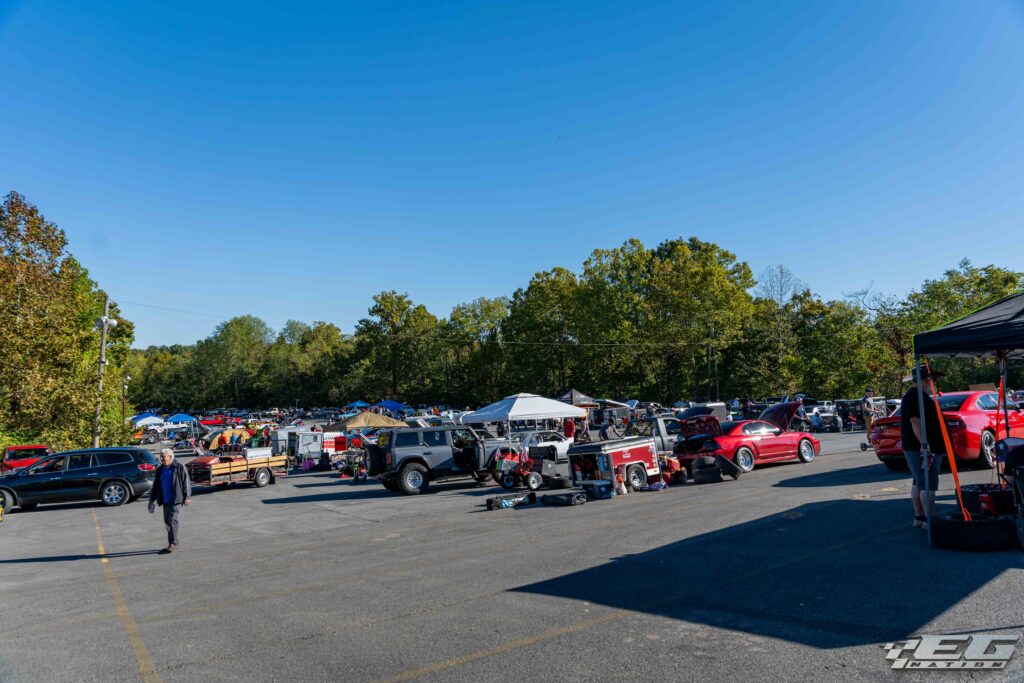
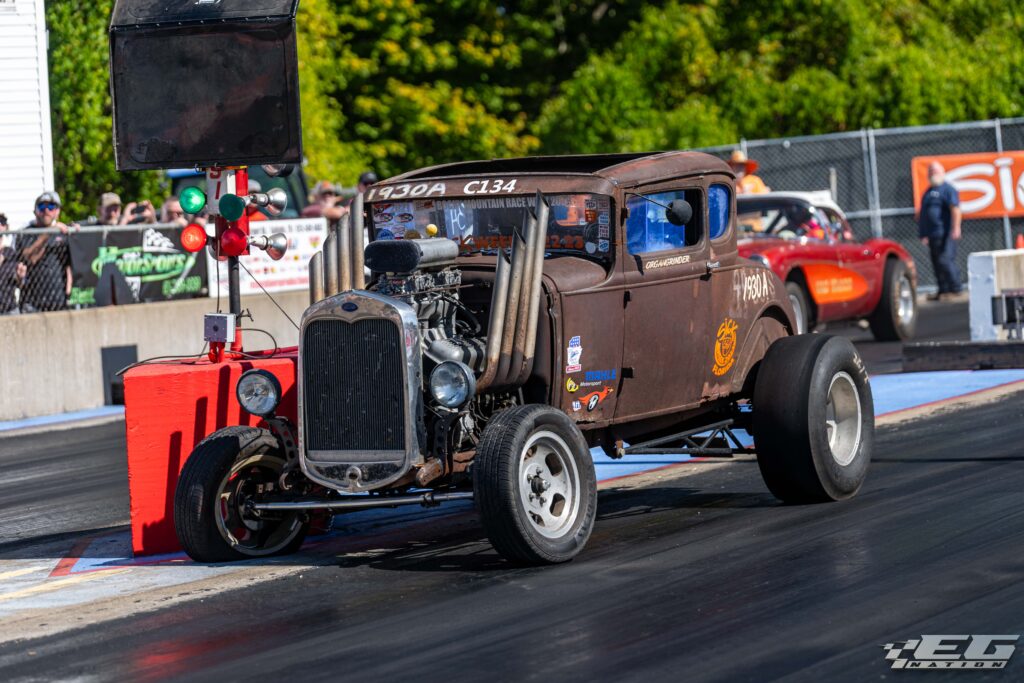
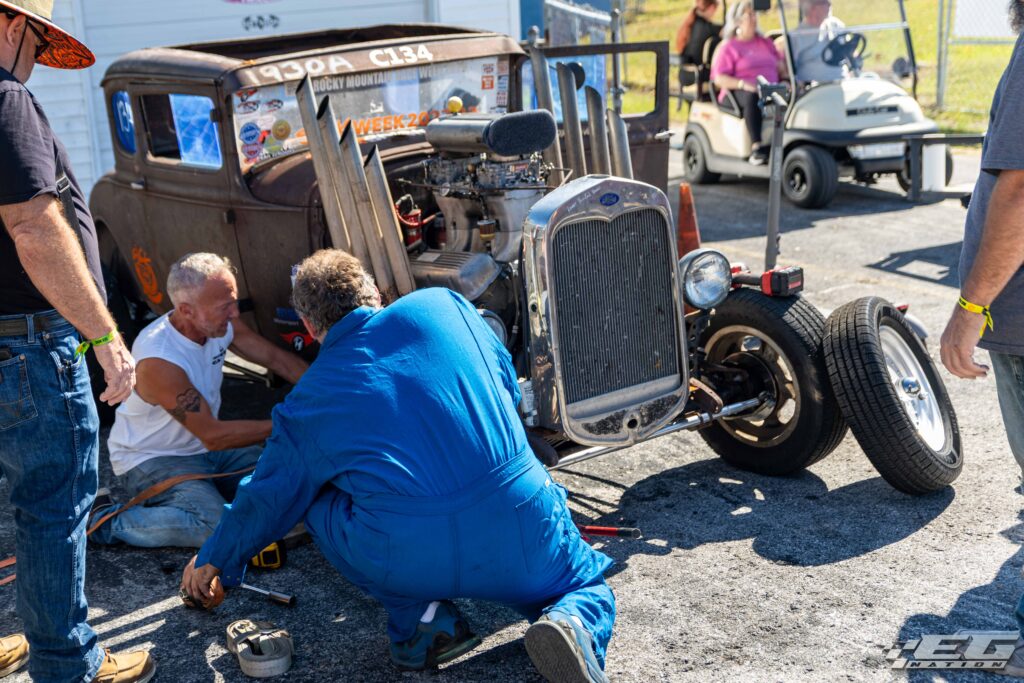
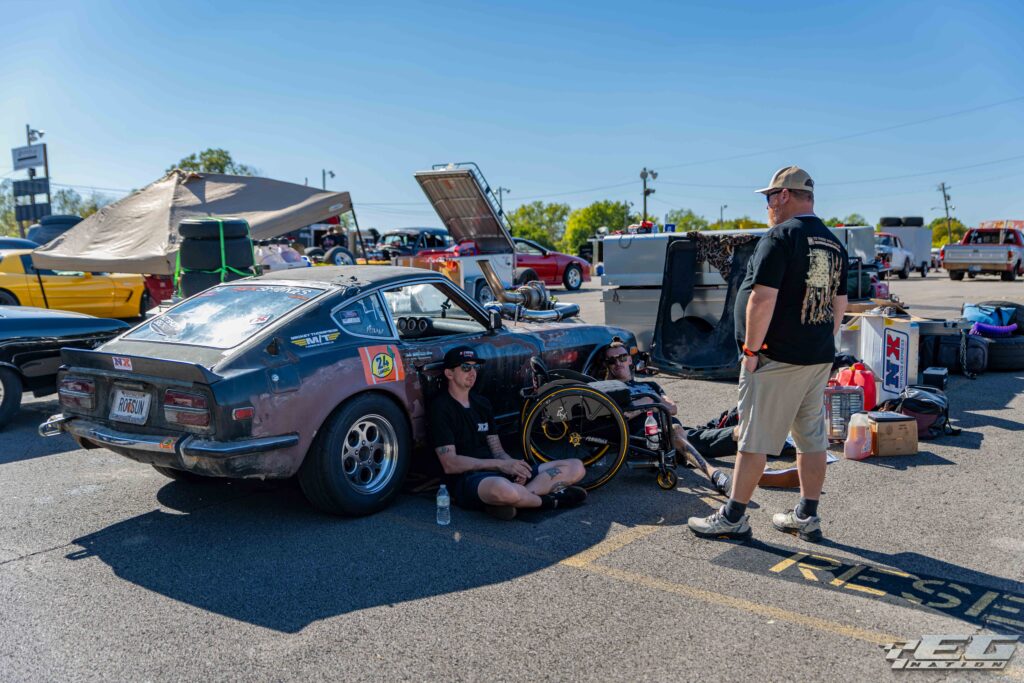
Day 3 – Fitzgerald Motorsports Park
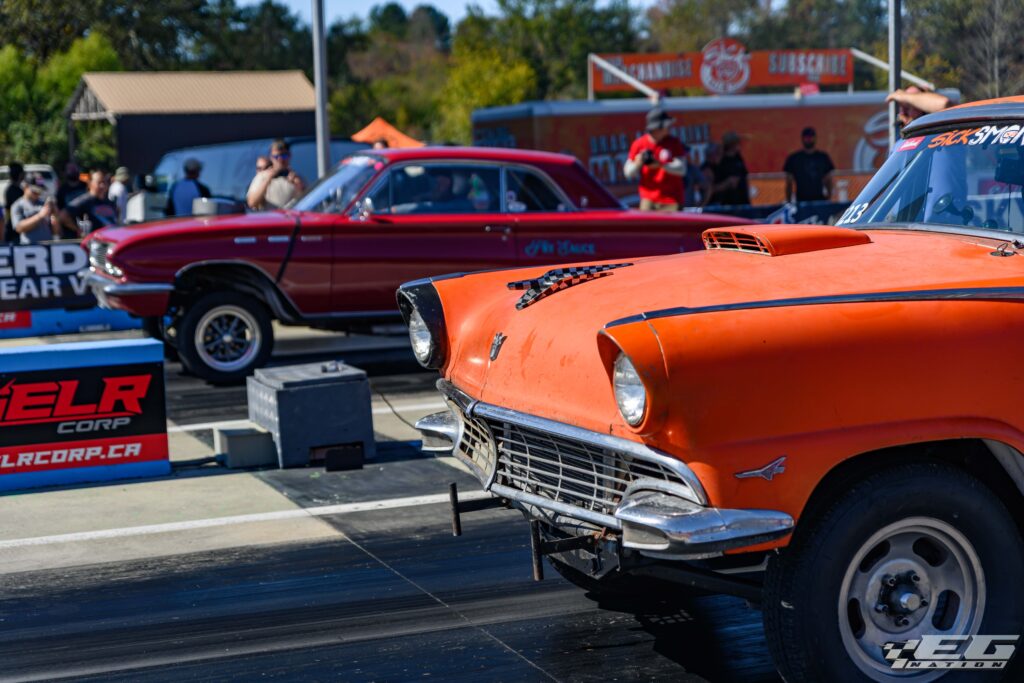
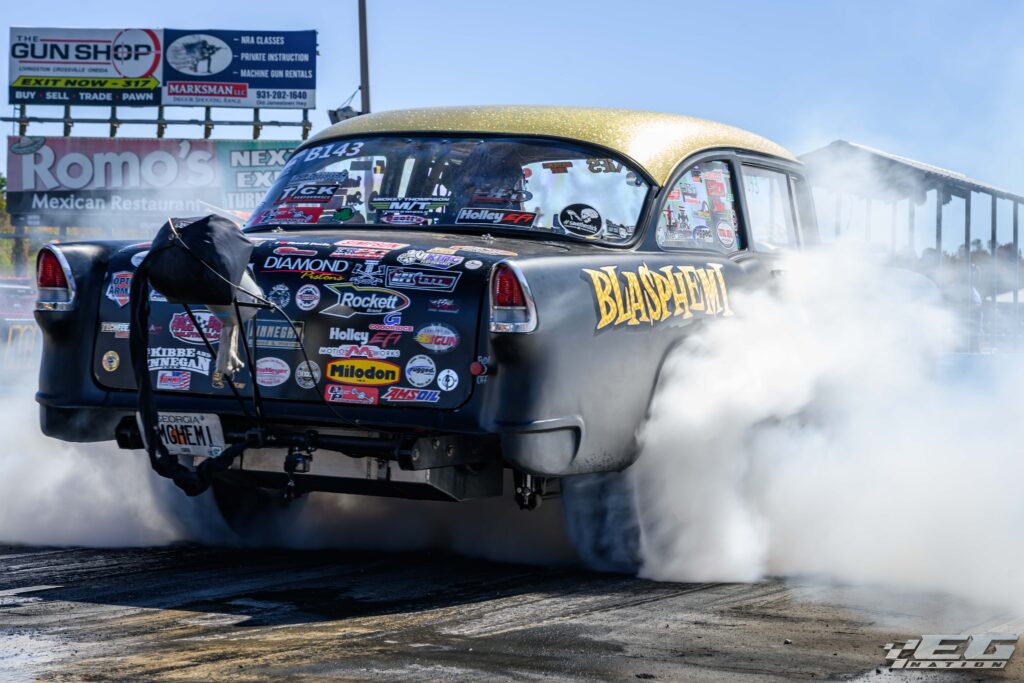
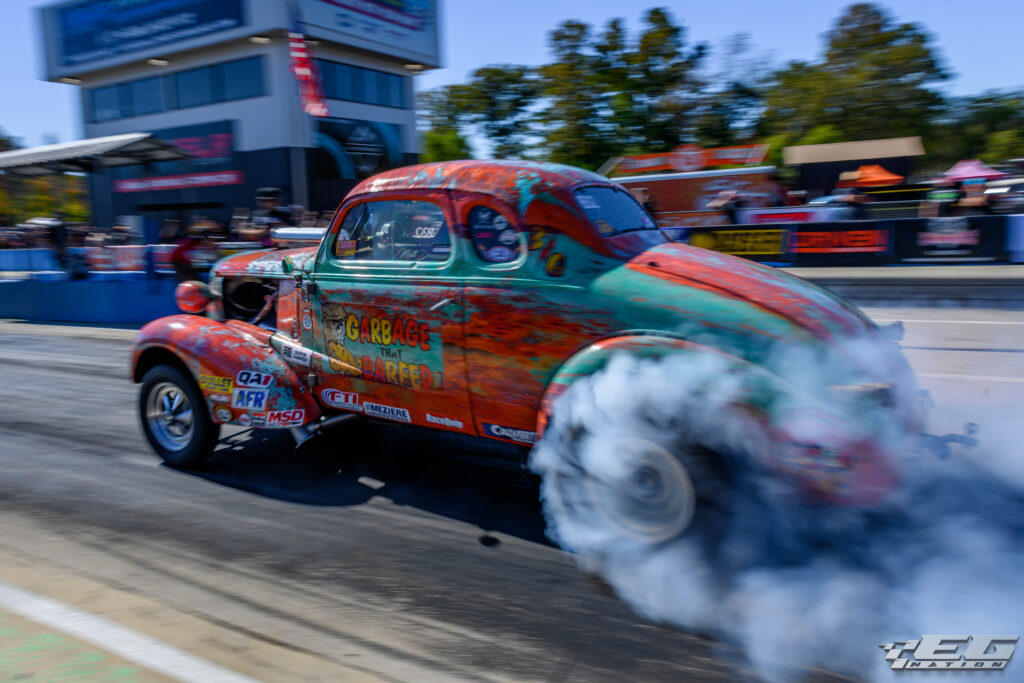
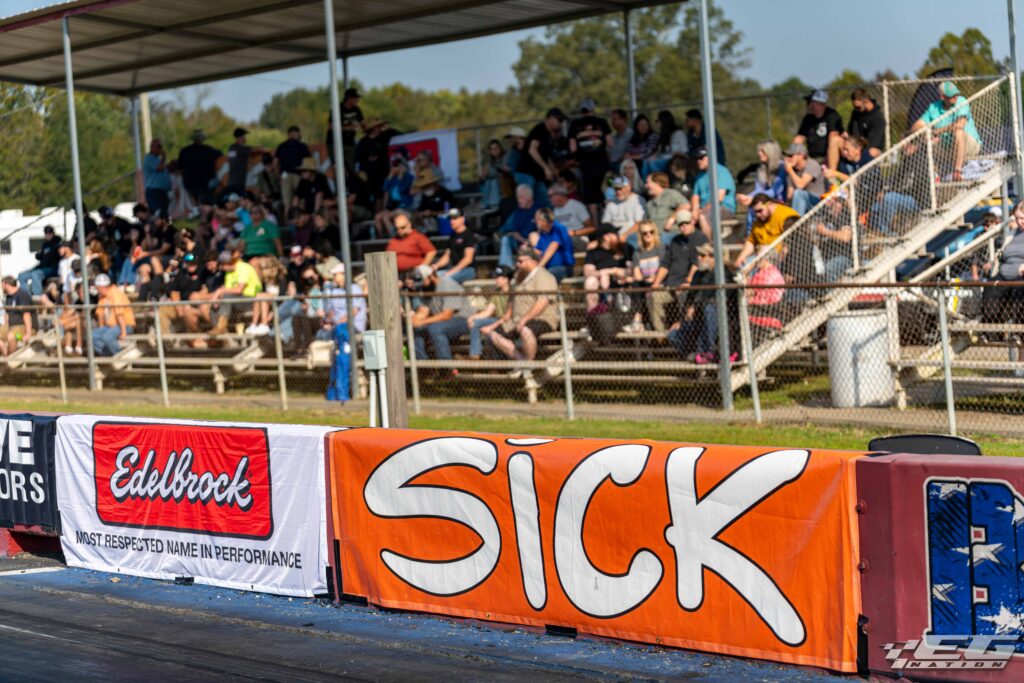
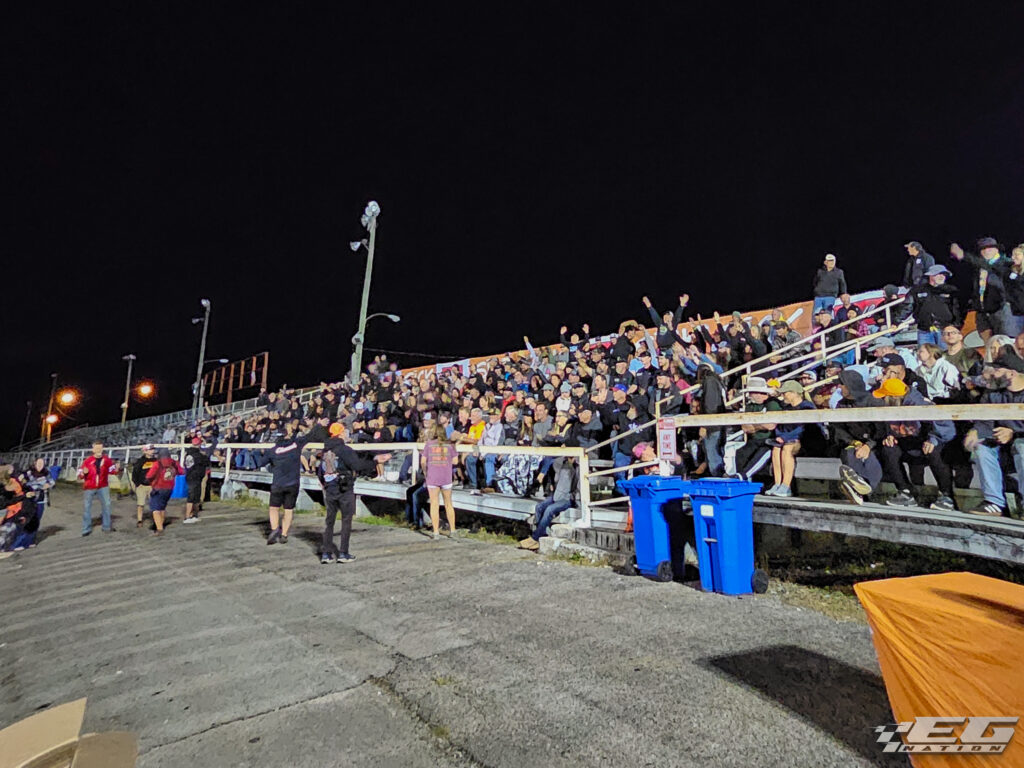
The next stop was Fitzgerald Motorsports Park in Crossville, Tennessee. Recently leased by Fitzgerald Performance, the place is receiving significant investment and is showing good progress. The racing was terrific, and a ton of spectators showed up on a Wednesday to watch the drag and drivers do their thing.
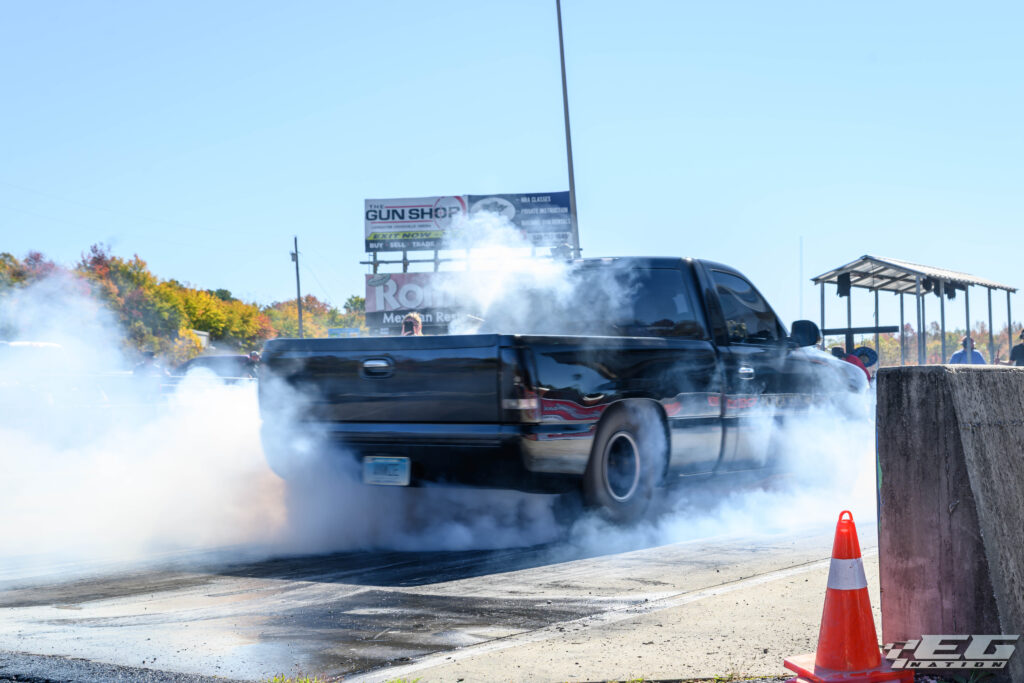
Day 4 – Knoxville Dragway
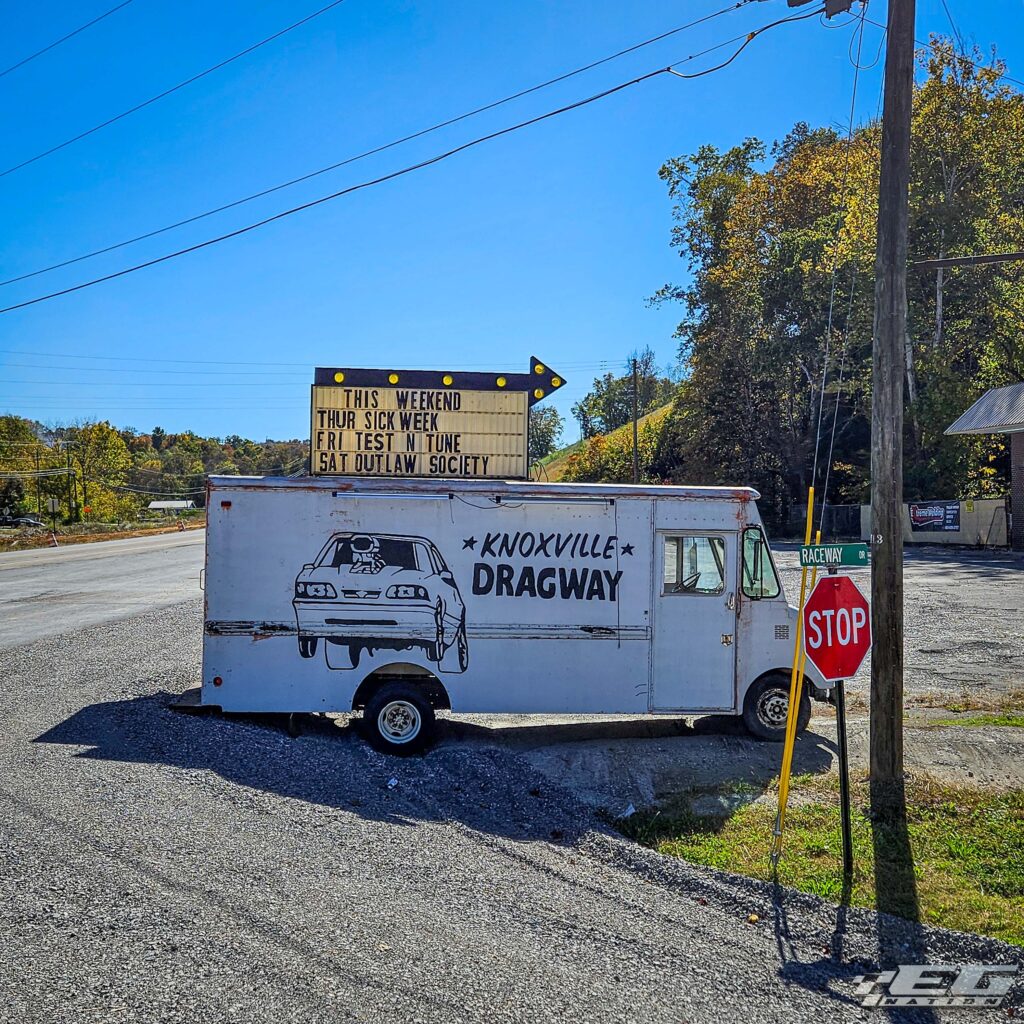
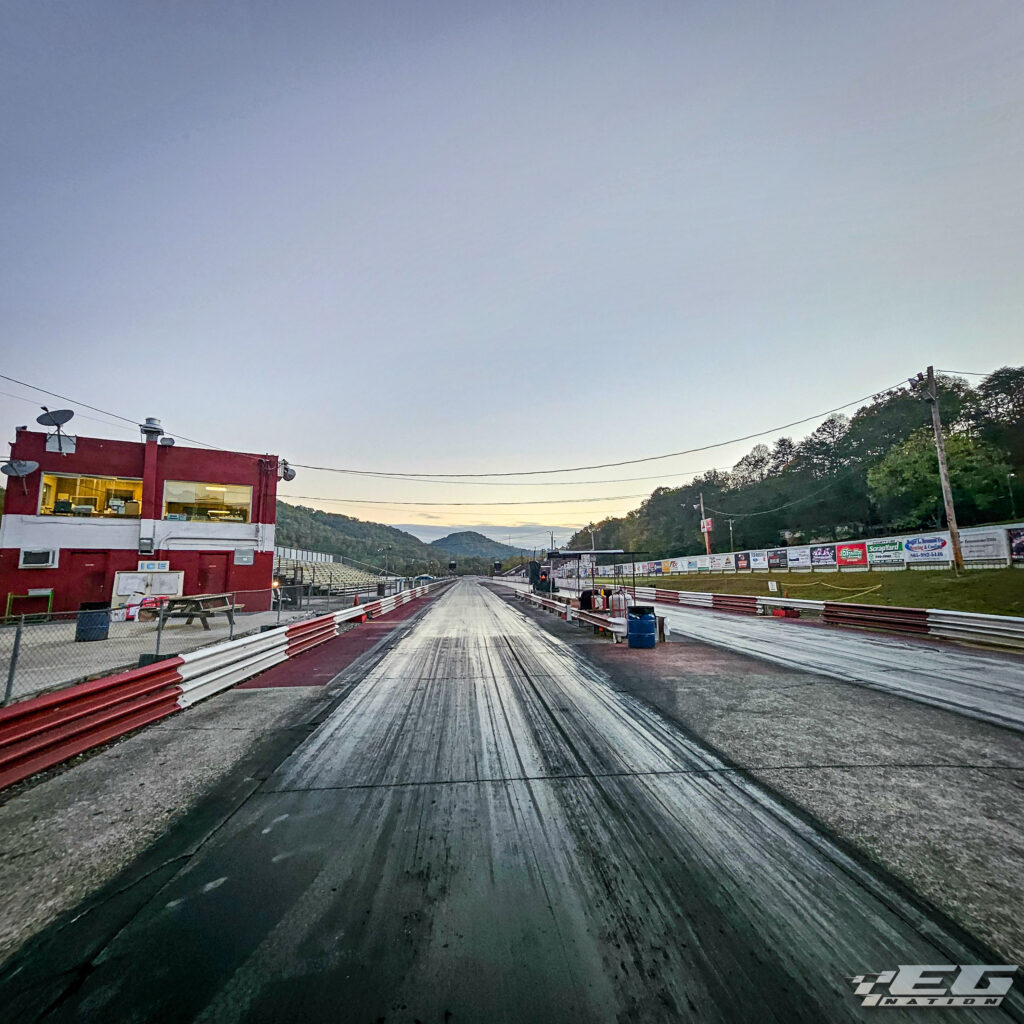
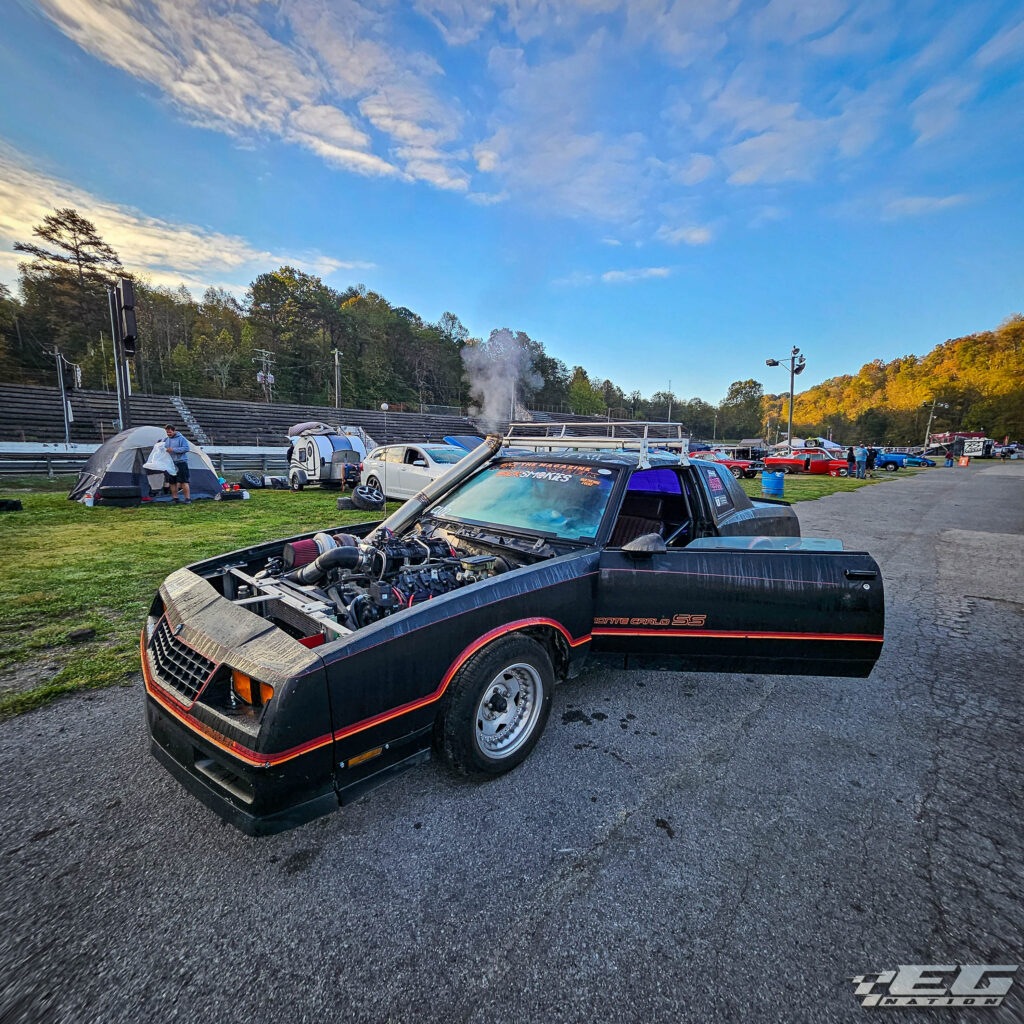
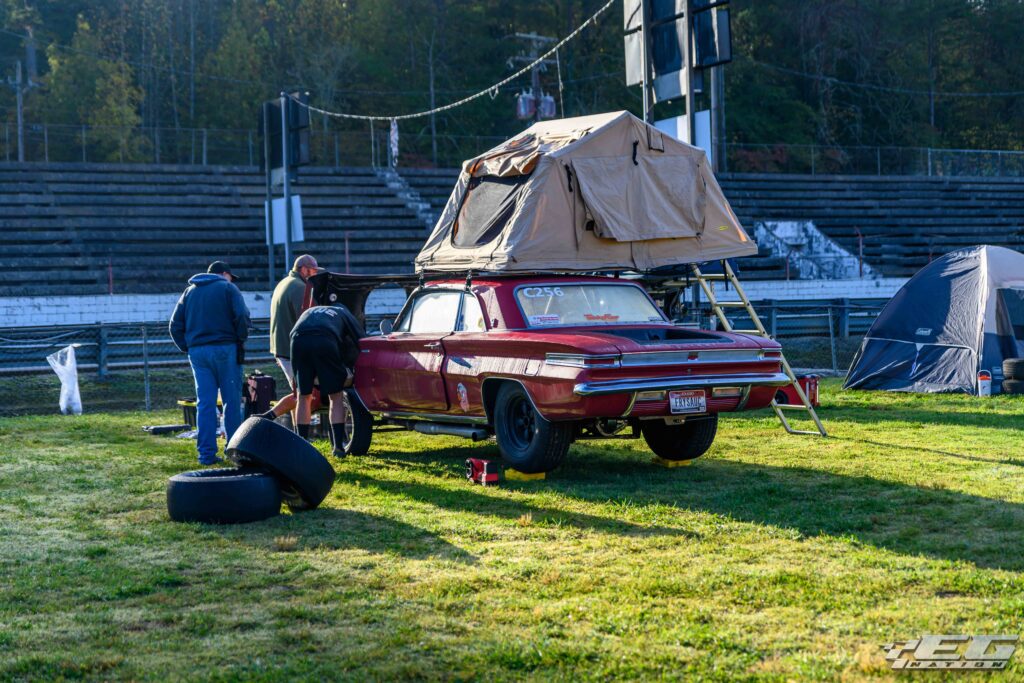
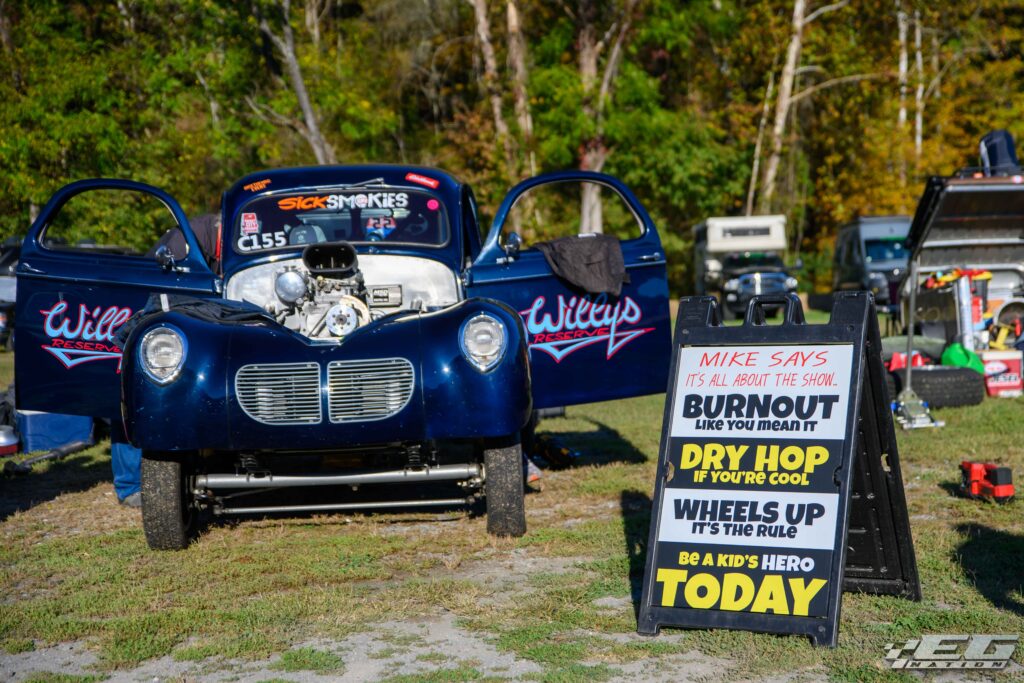
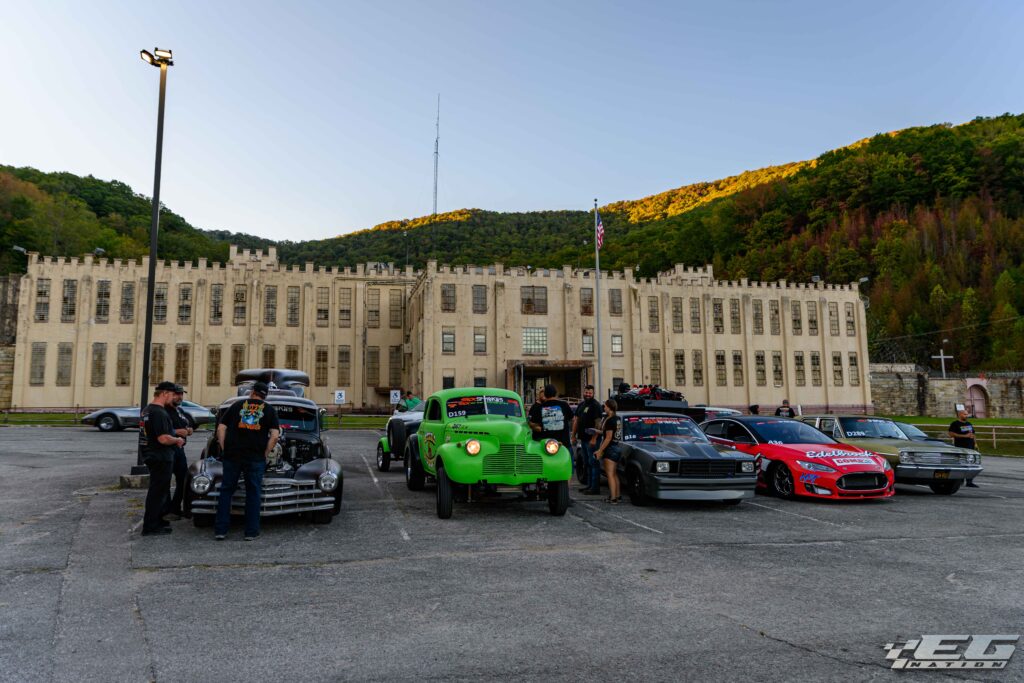
After an epic drive from Crossville that included a checkpoint at the Historic Brushy Mountain State Penitentiary and a tour of Lokar Performance (see the last gallery for pics from the road), Day 4 landed us at the gorgeously scenic Knoxville Dragway.
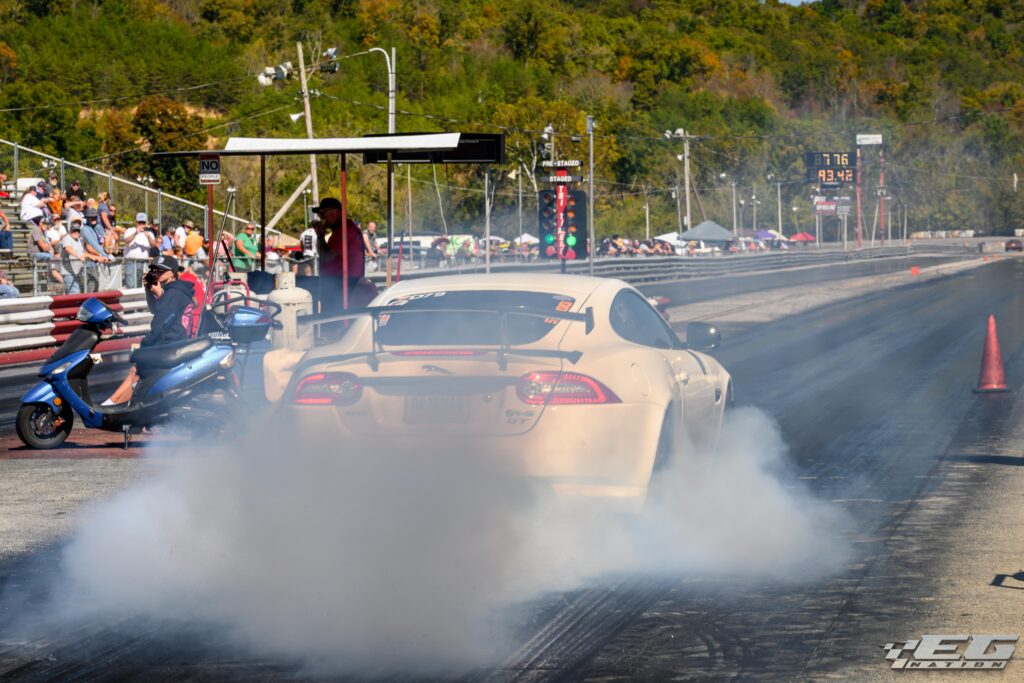
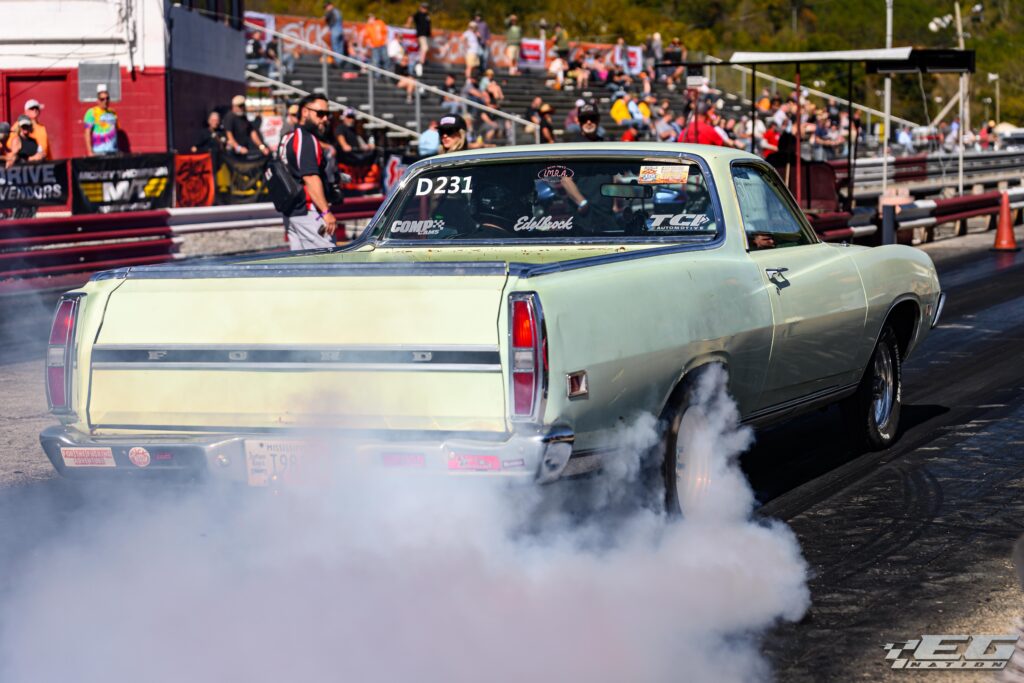
Day 5 – Sick Smokies Drive Day
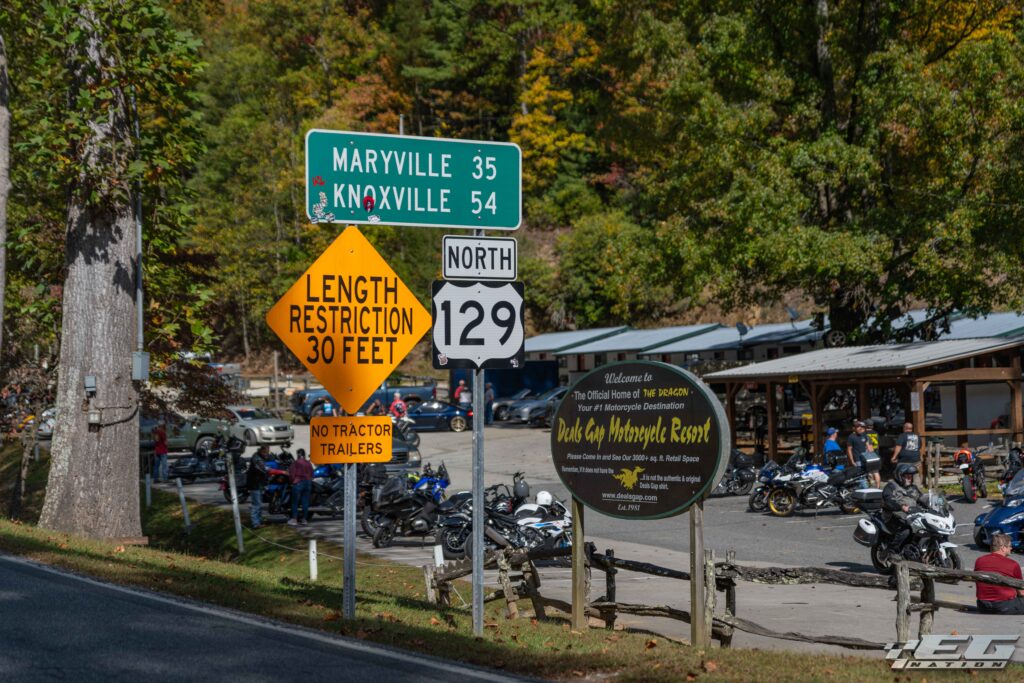
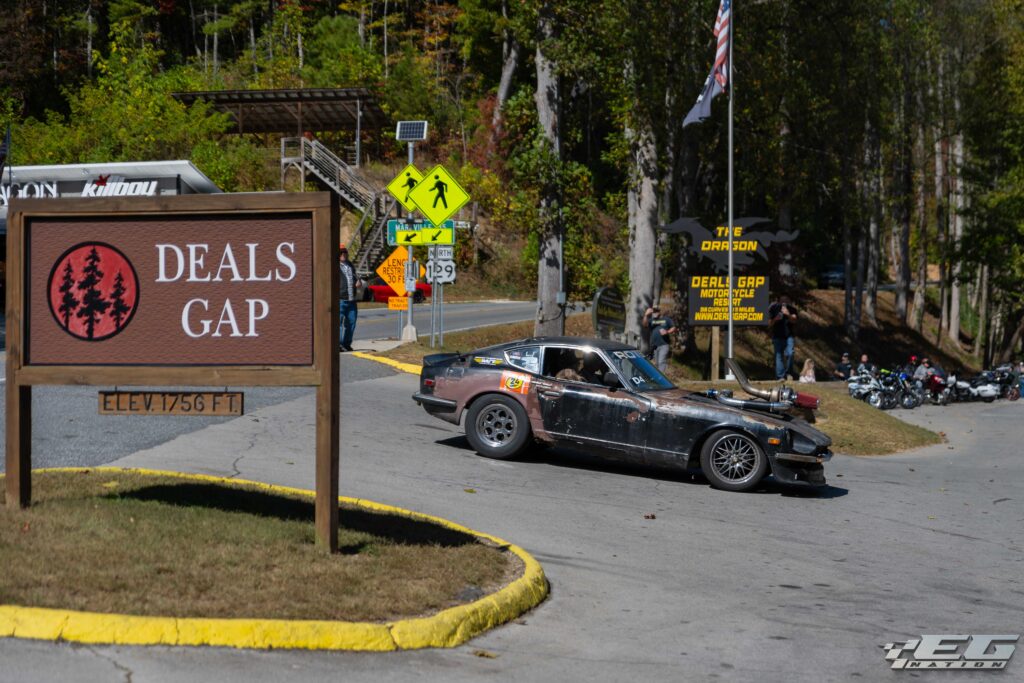
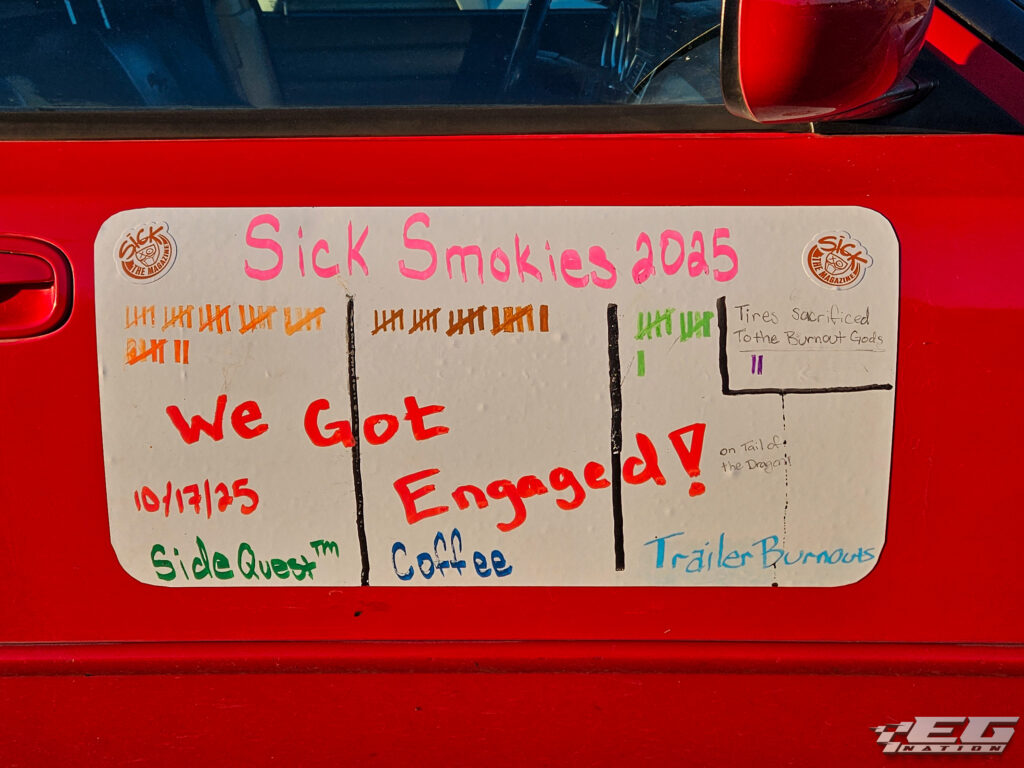
Day 5 was a day off from the track, but that doesn’t mean it wasn’t challenging with the famous “Tale of the Dragon” (Highway 129) looming ahead. With well over 200 miles to cover, it was still a long day for the Sick Smokies drag-and-drivers.
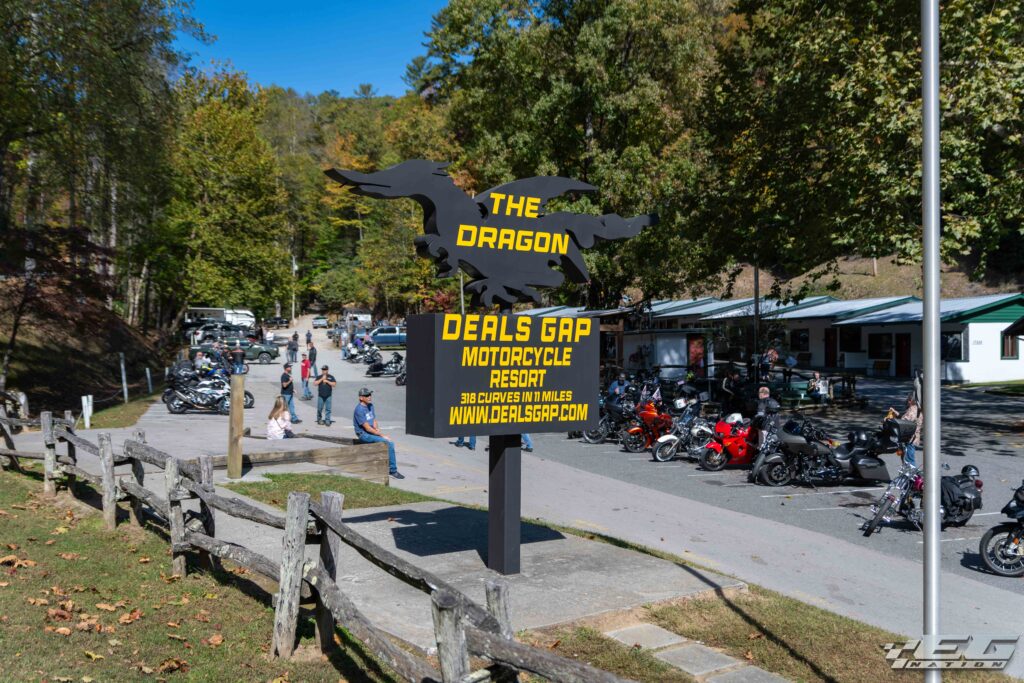
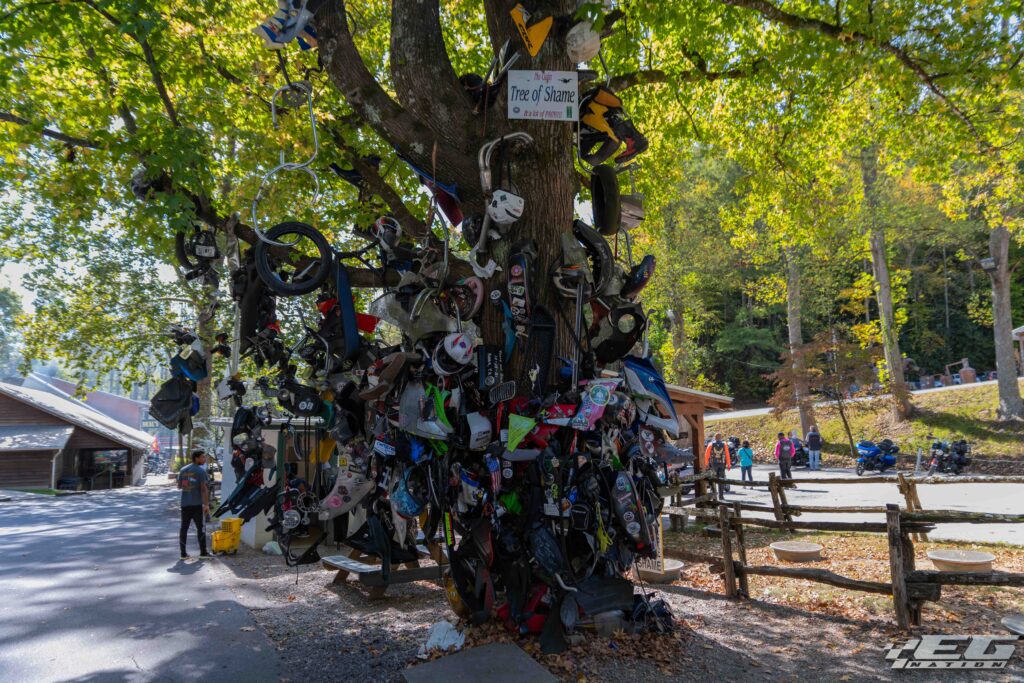
Day 6 – Brainerd Motorsports Park
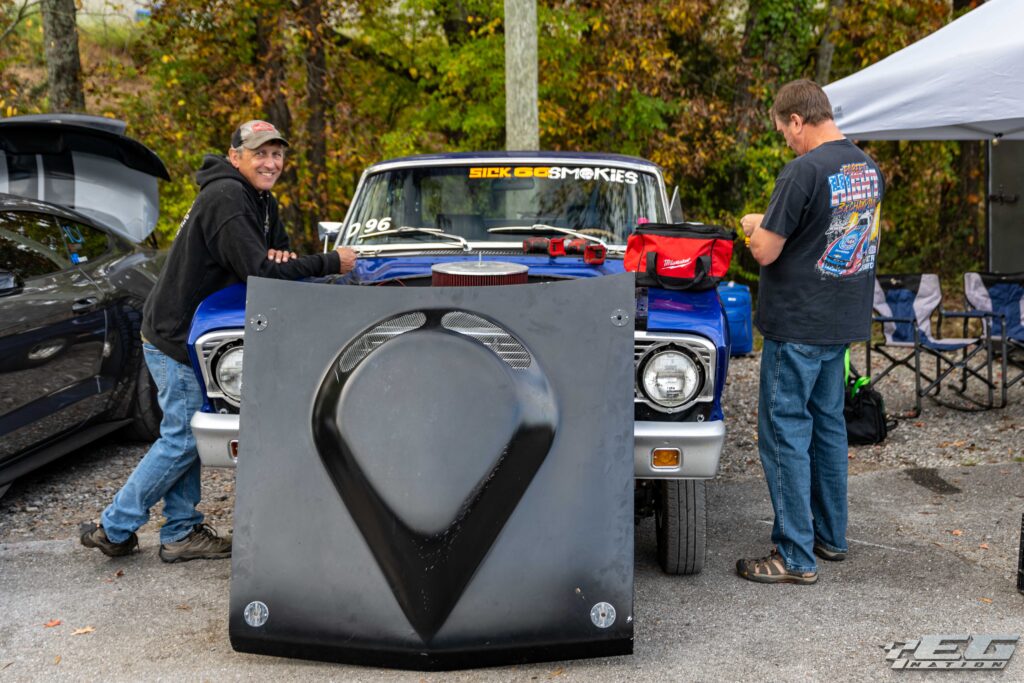
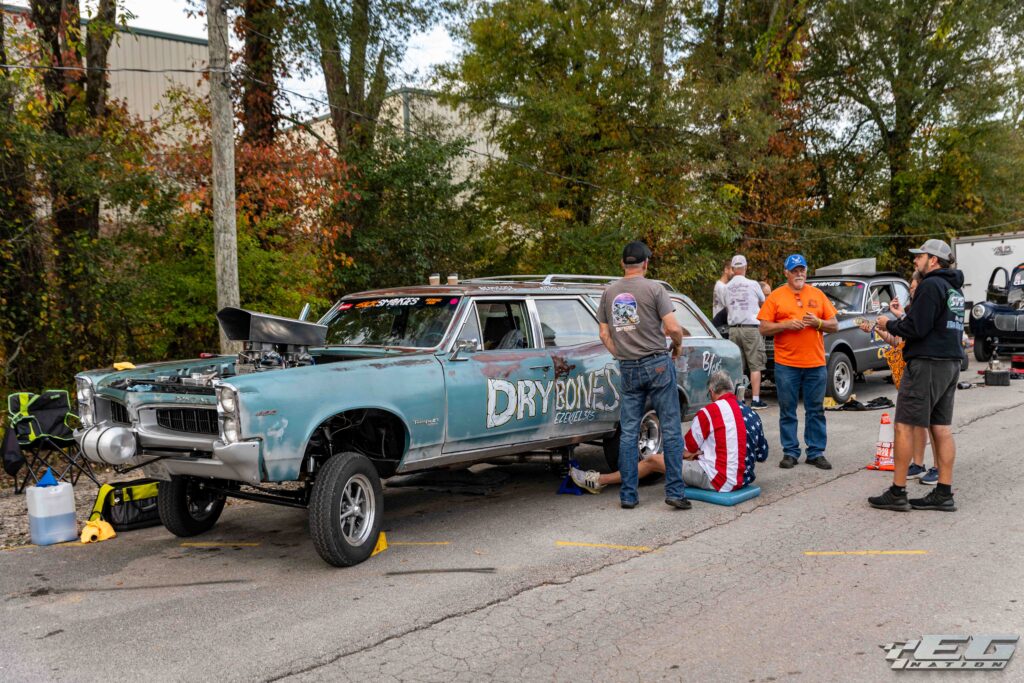
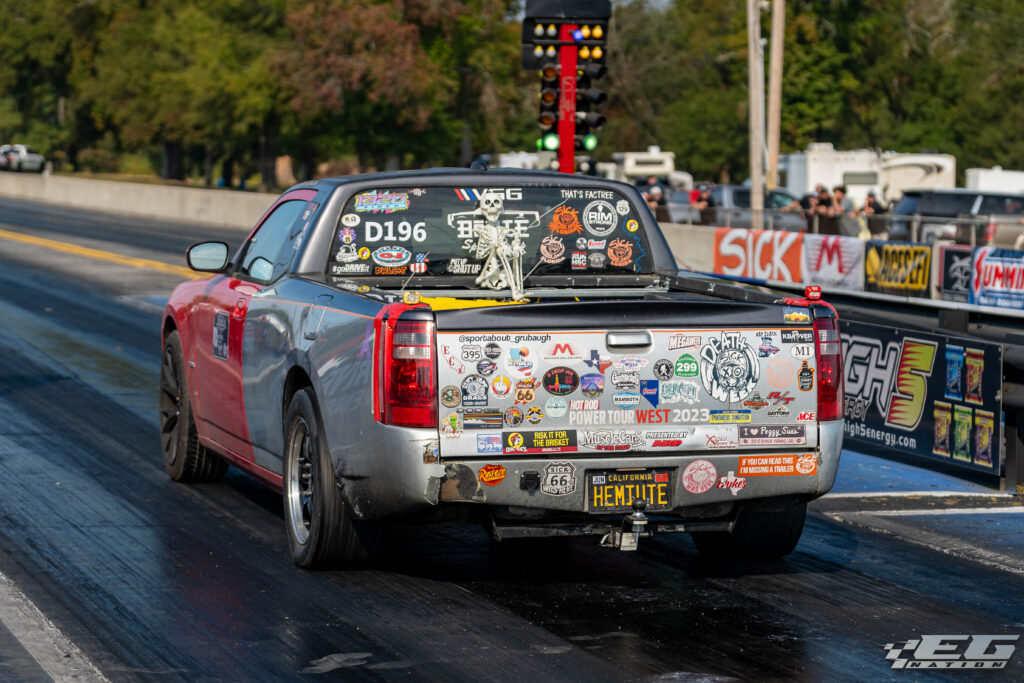
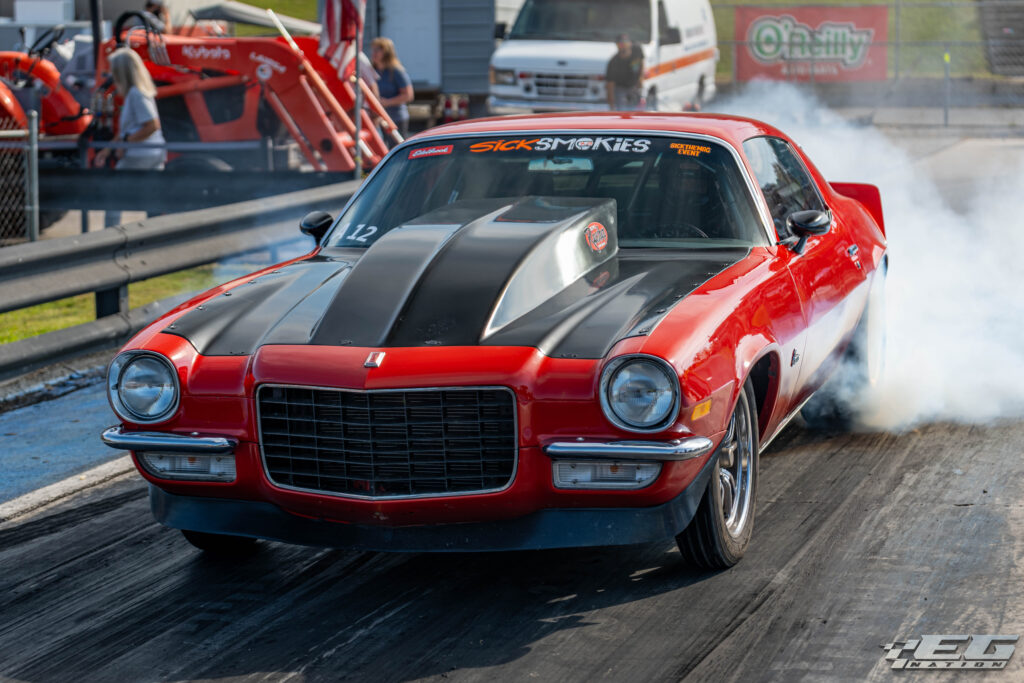
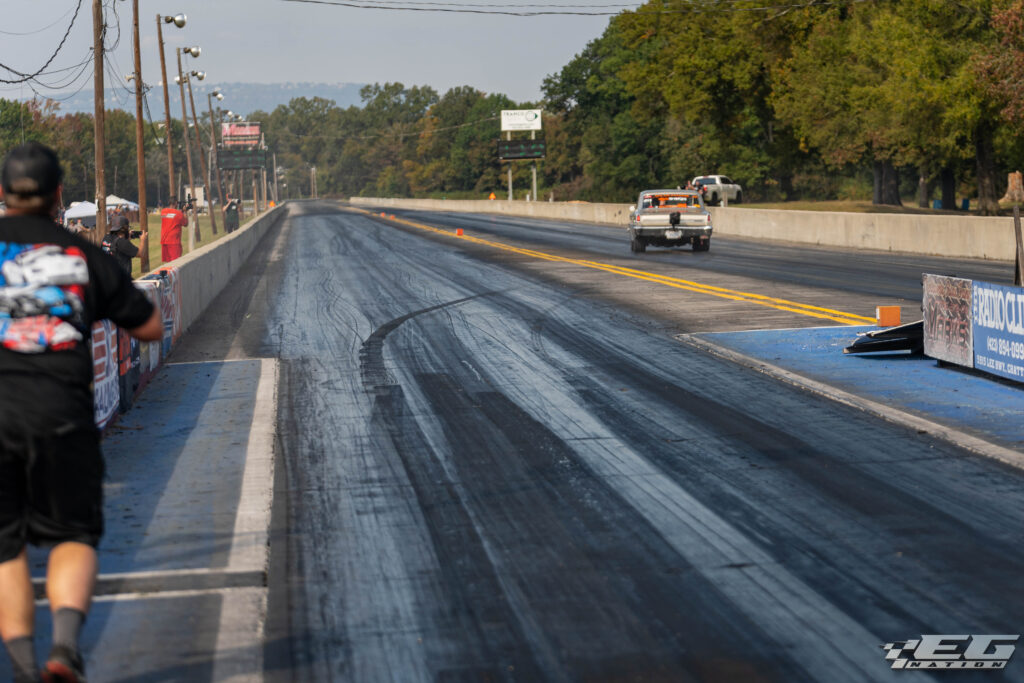
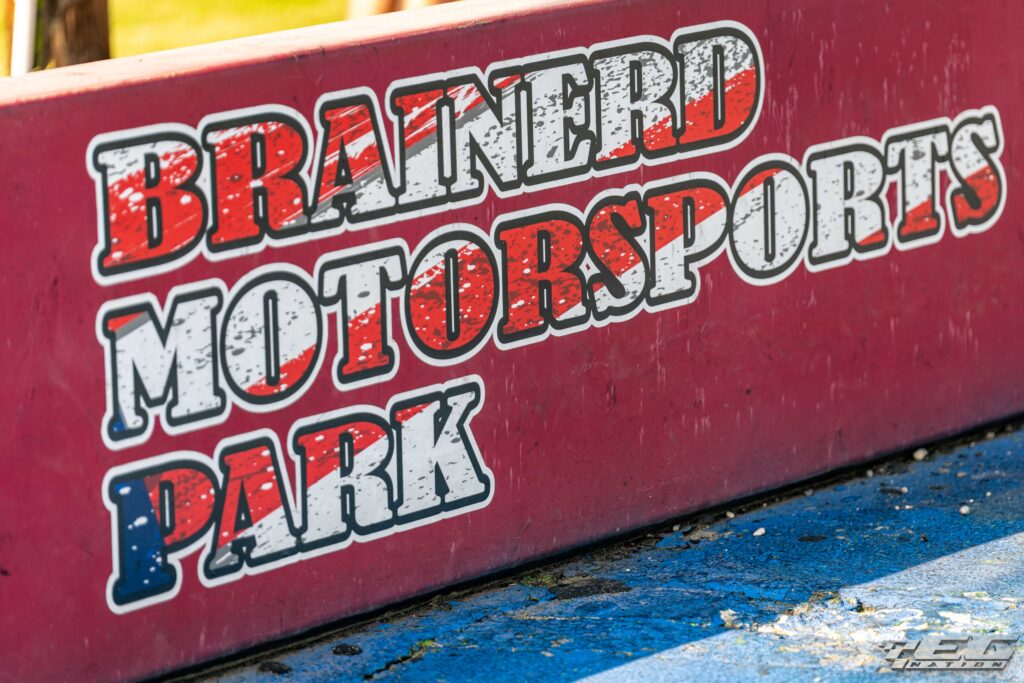
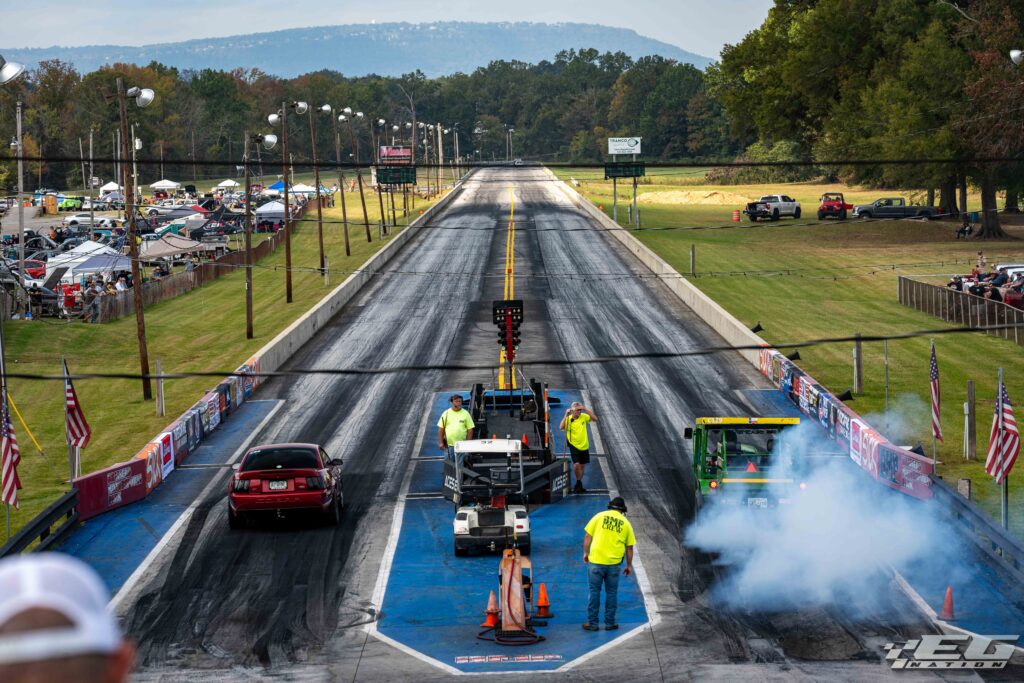
Brainerd Motorsports Park is located in Ringgold, Georgia. The pits were packed, the racing was ferocious, and the program ran smoothly all day. The racers were getting into their rhythm, resulting in a lot of one-and-done passes and a small All-Run group at the end of the day.
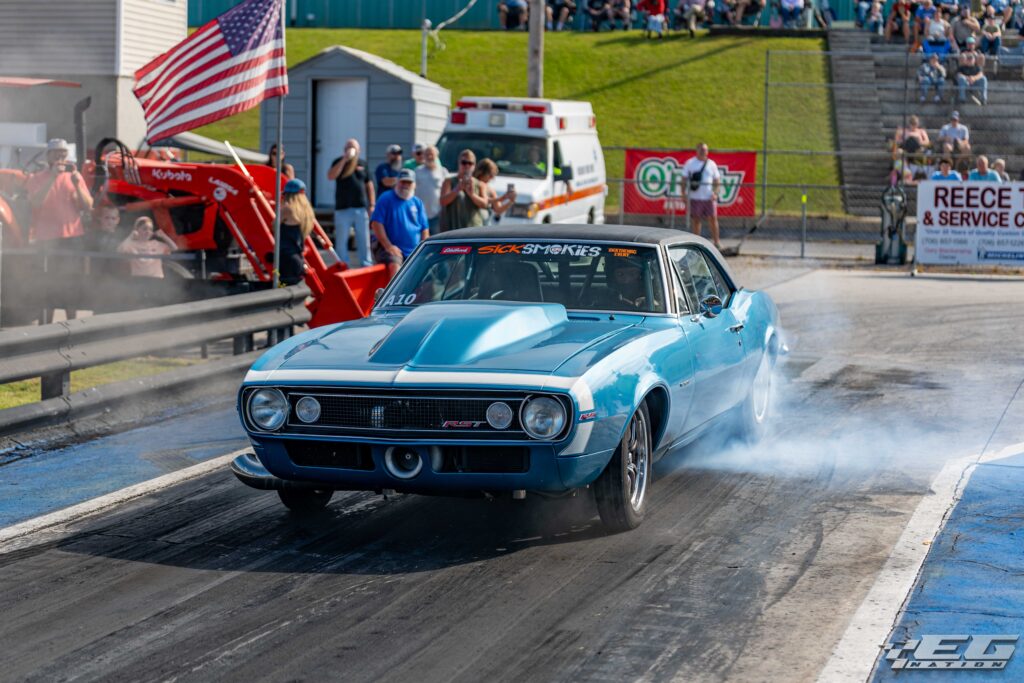
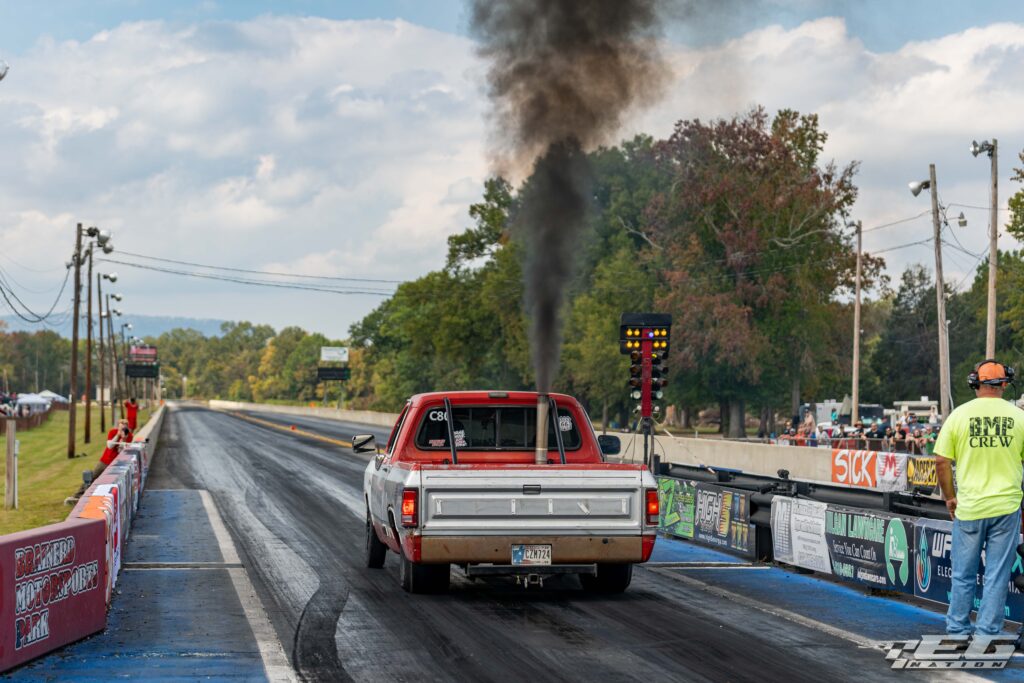
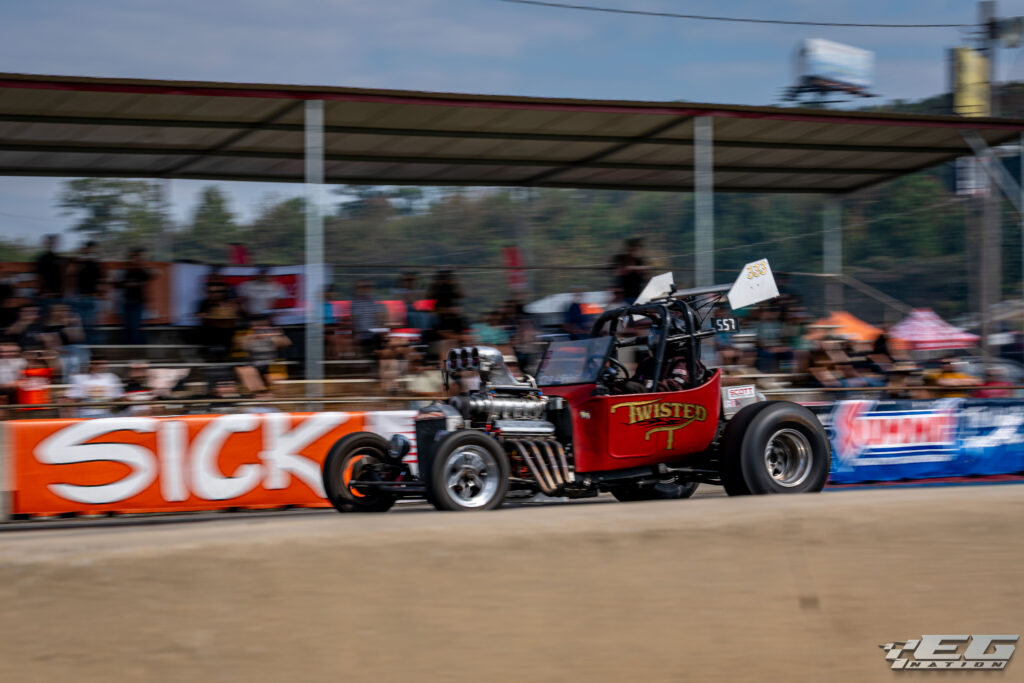
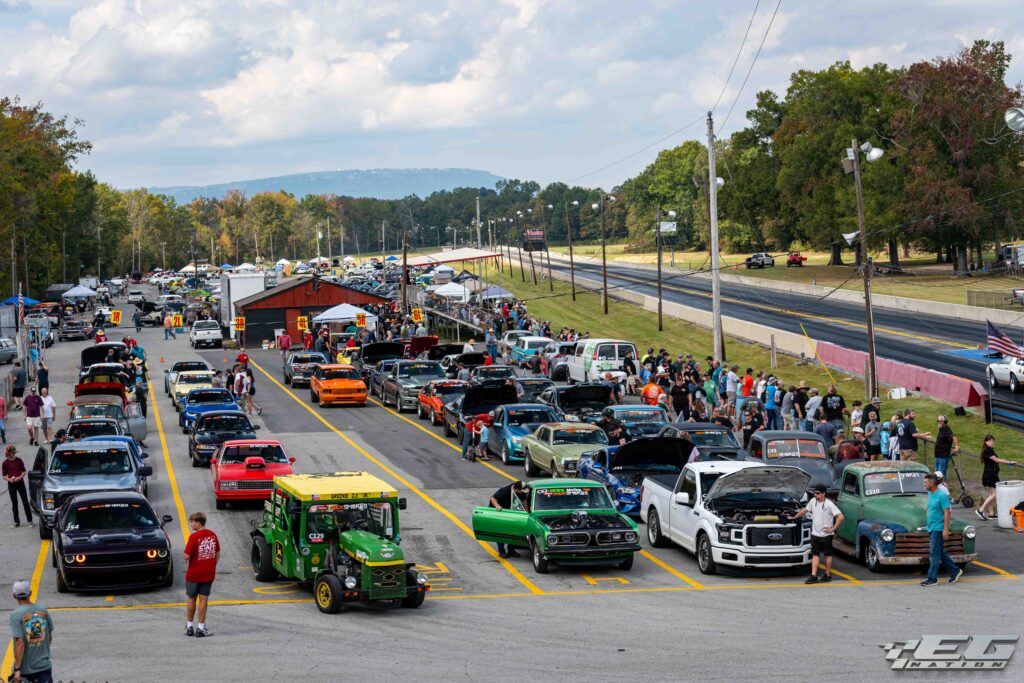
Day 7 – Rocket City Dragway
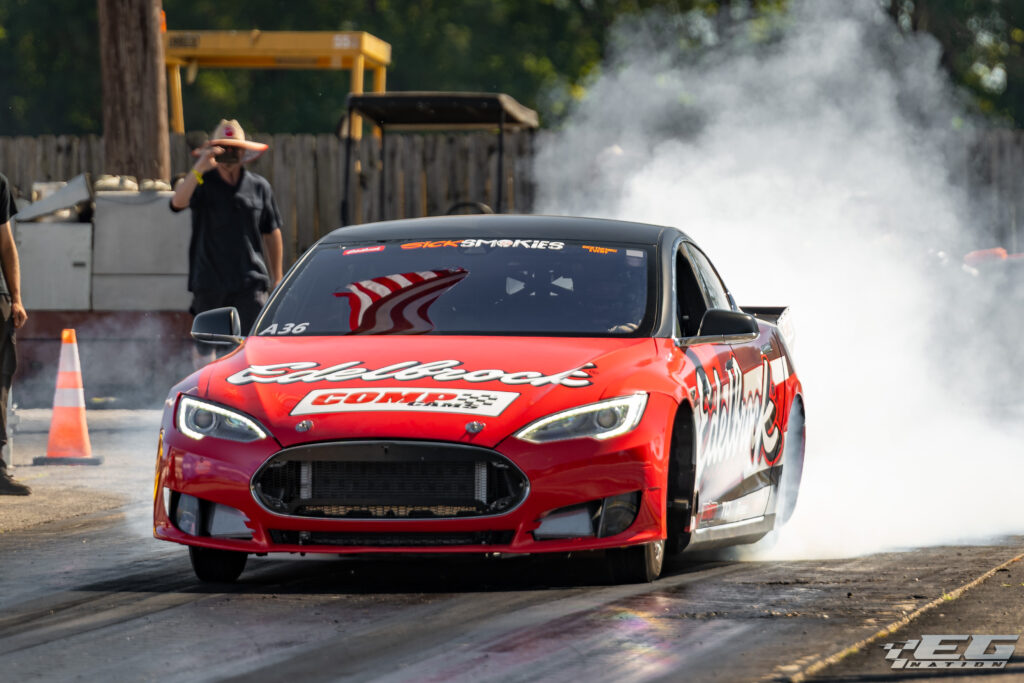
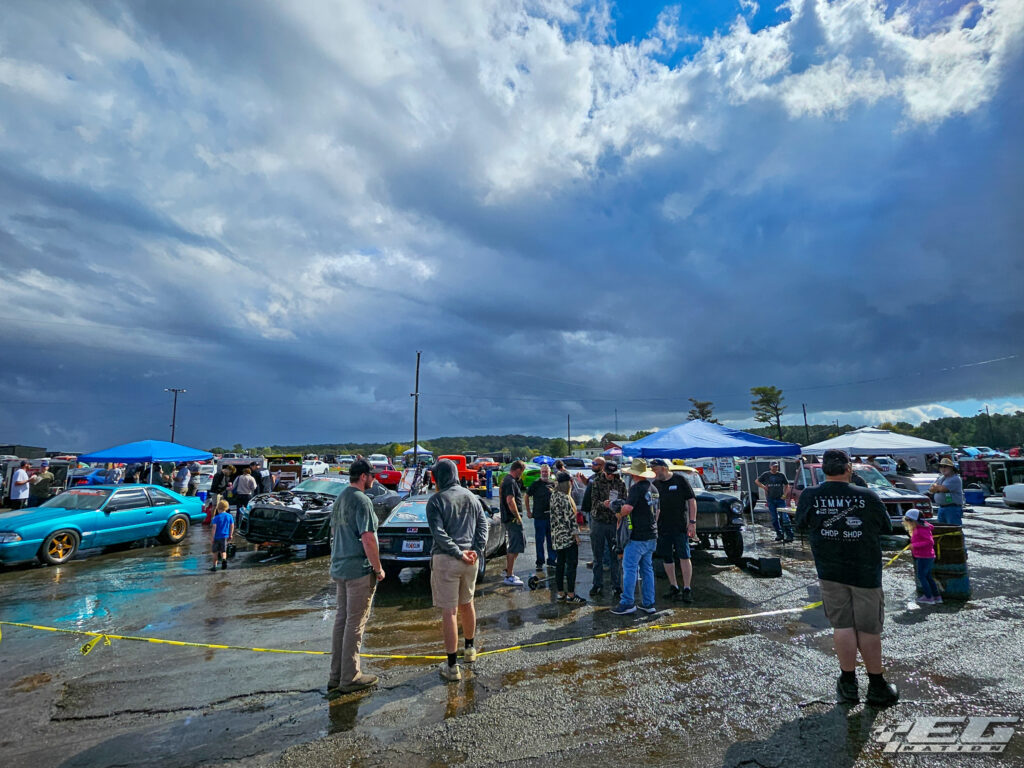
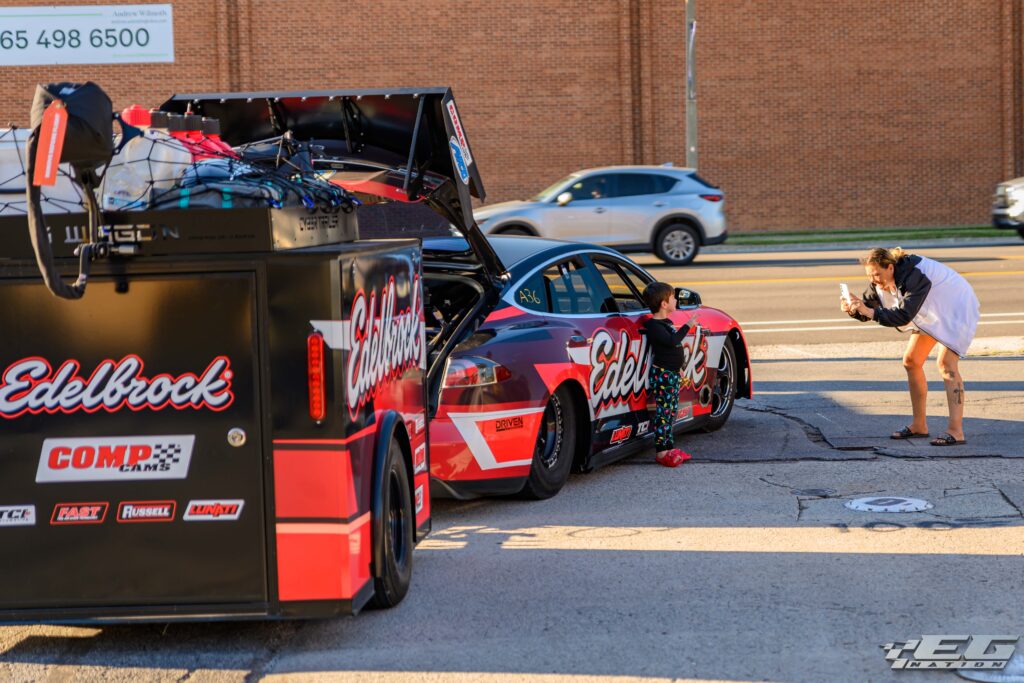
After completing 981 miles, the traveling circus was back to where it started at Rocket City Dragway. The final day of competition was 44 vehicles lighter due to attrition, including the Edelbrock-sponsored twin-turbo Tesla nicknamed “The Muskrat,” which unfortunately lost an altercation with a deer the previous night. An overnight rainstorm delayed the start, but once it got underway, the action was hot and heavy, with a few of the classes still up for grabs.
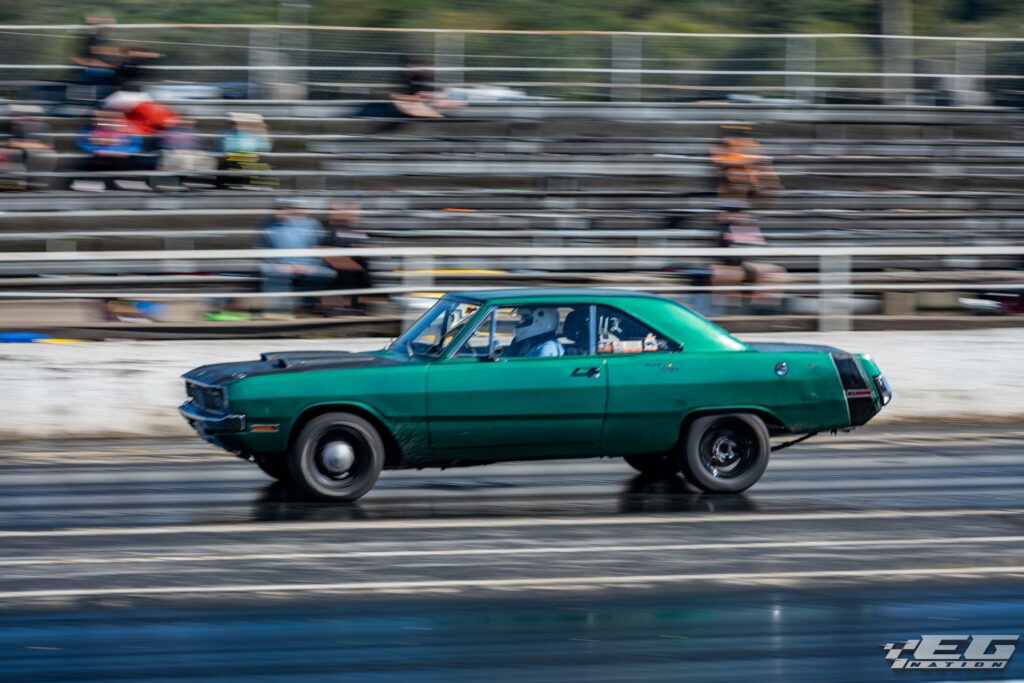
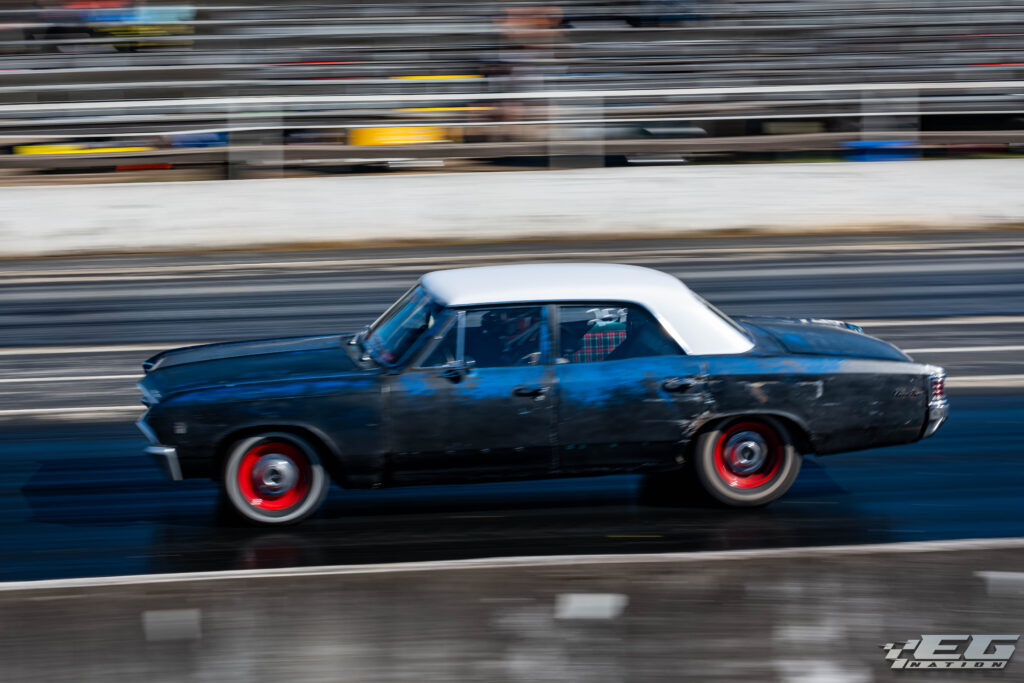
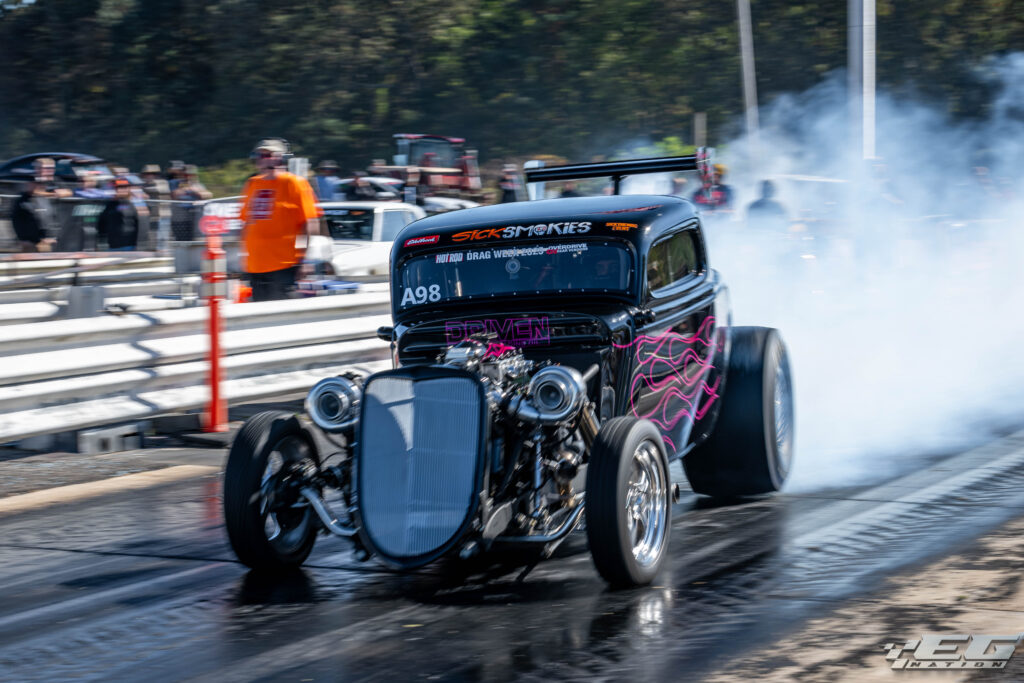
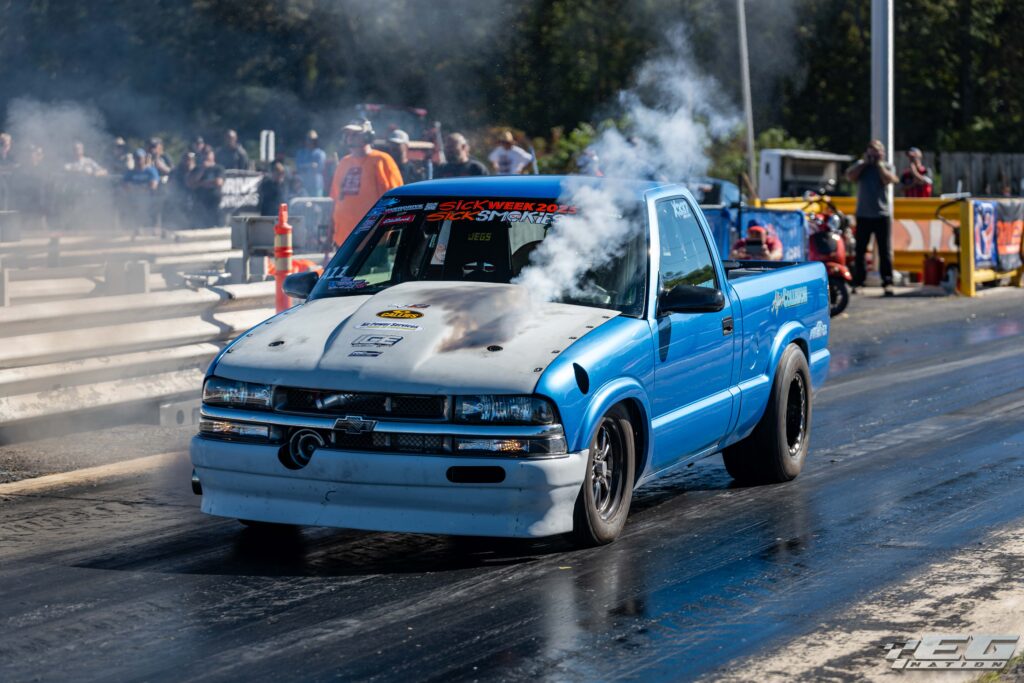
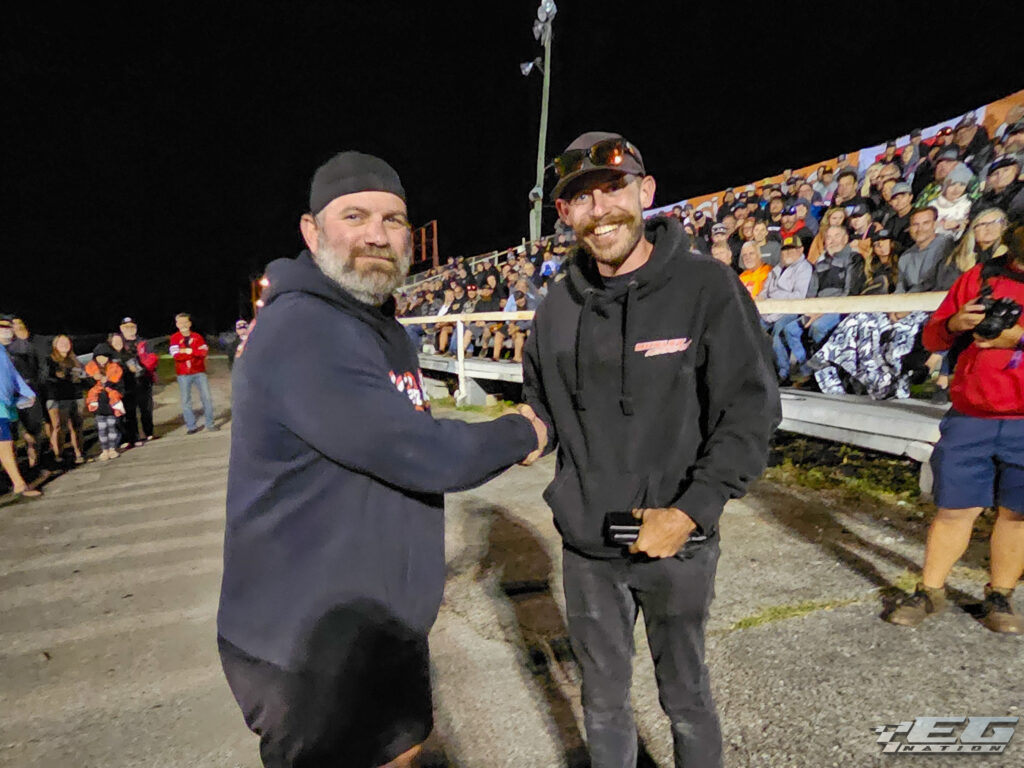
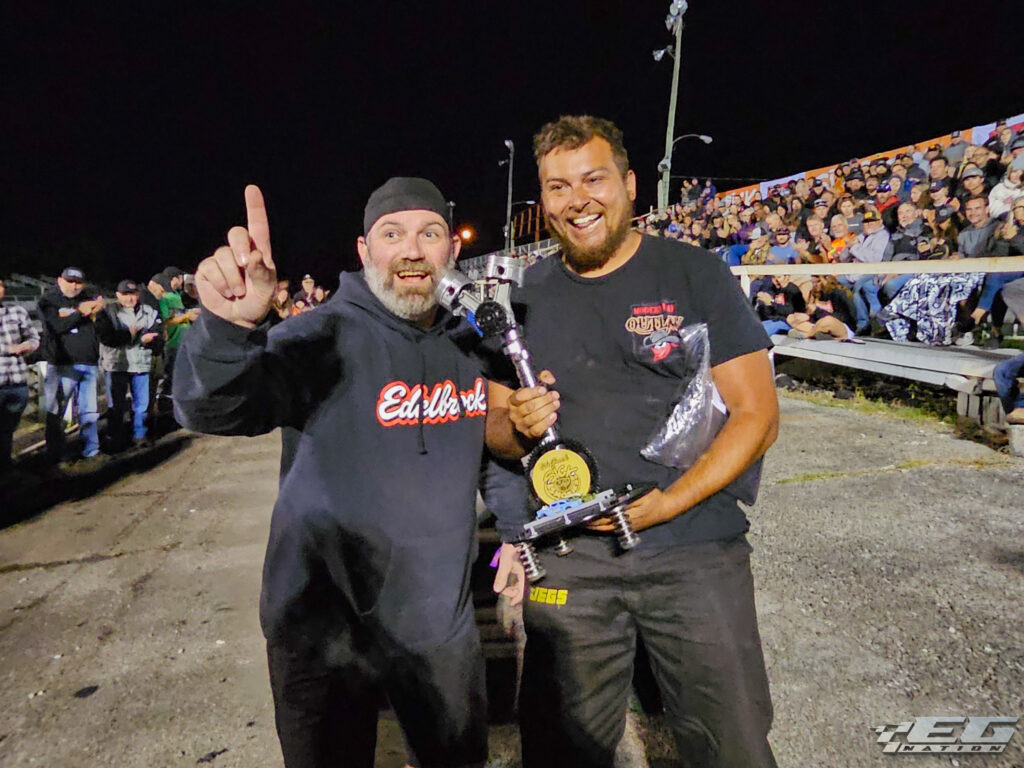
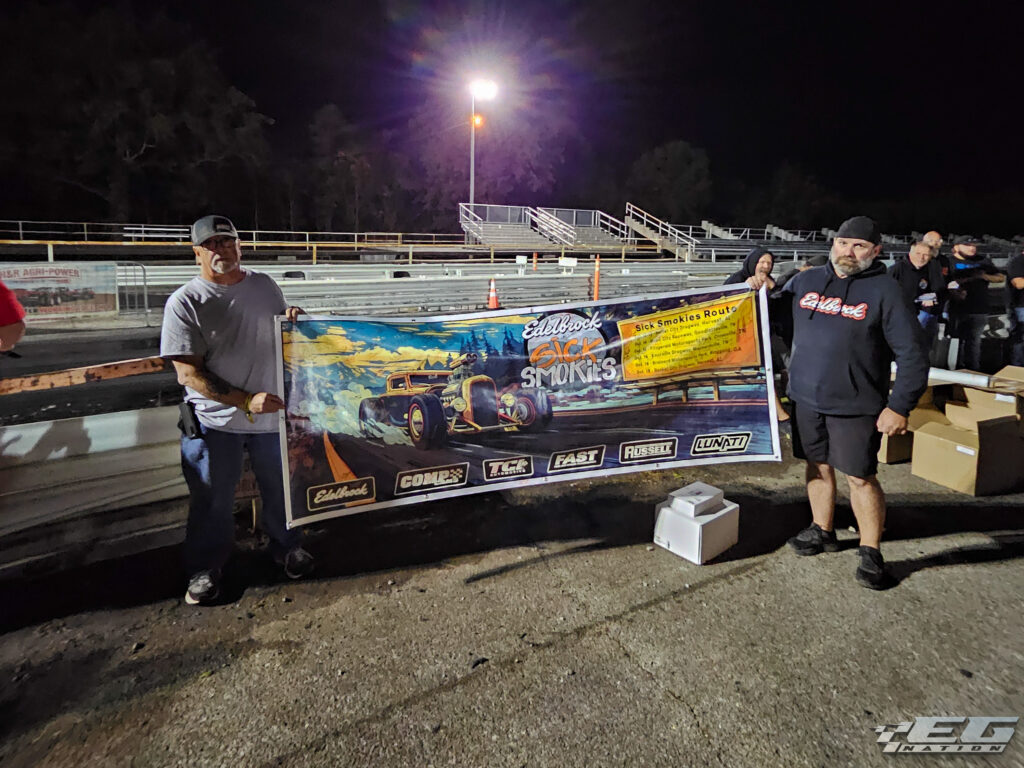
The Mountain Miles: Where Legends Are Made
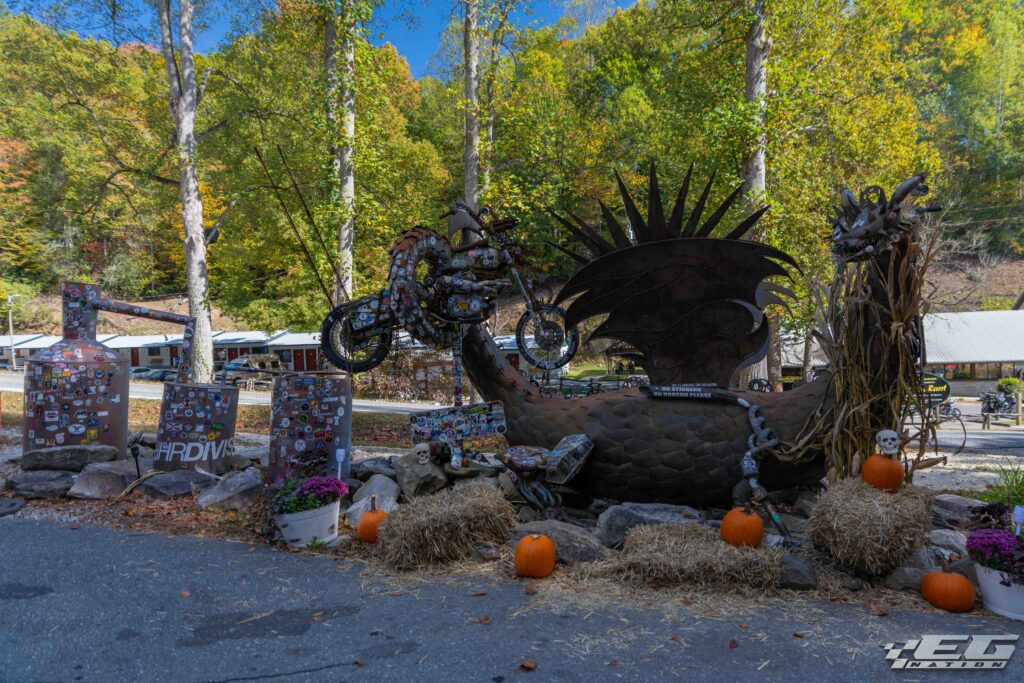
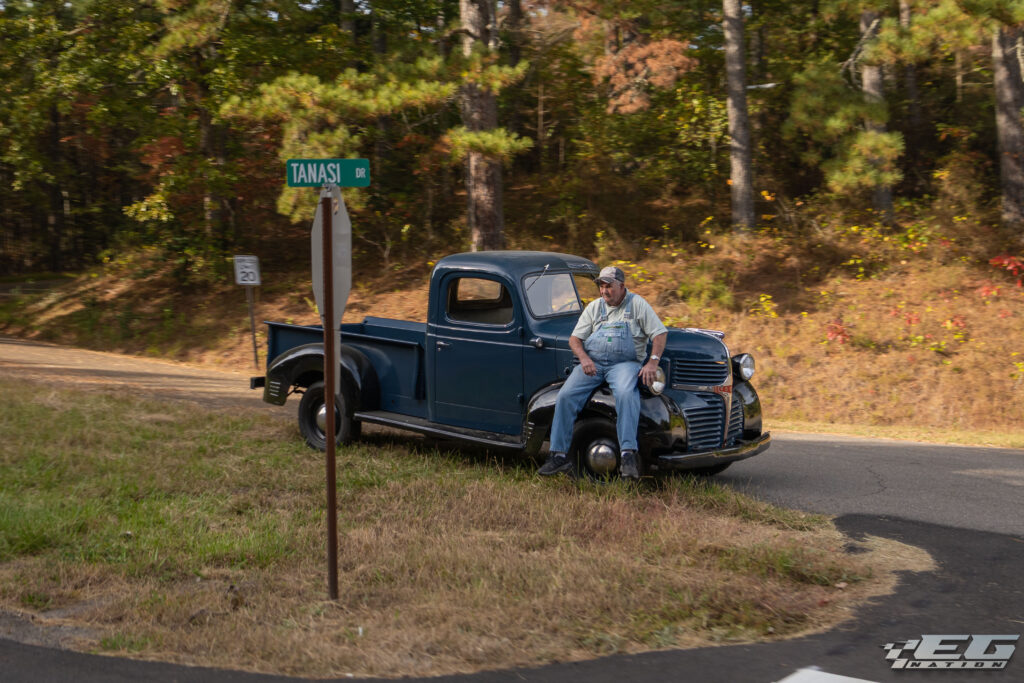
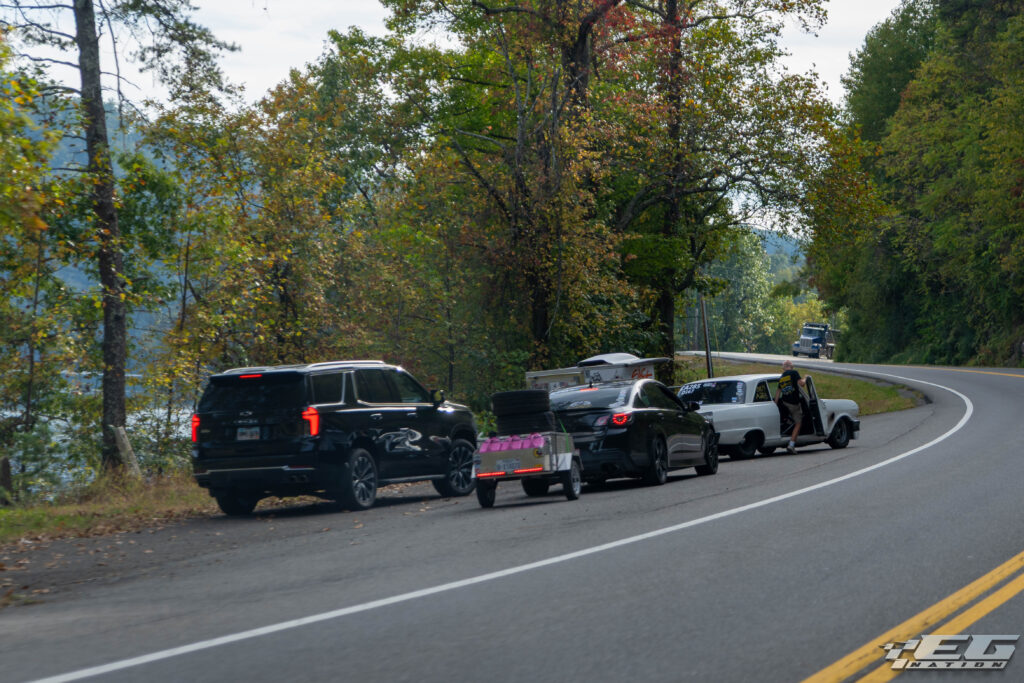
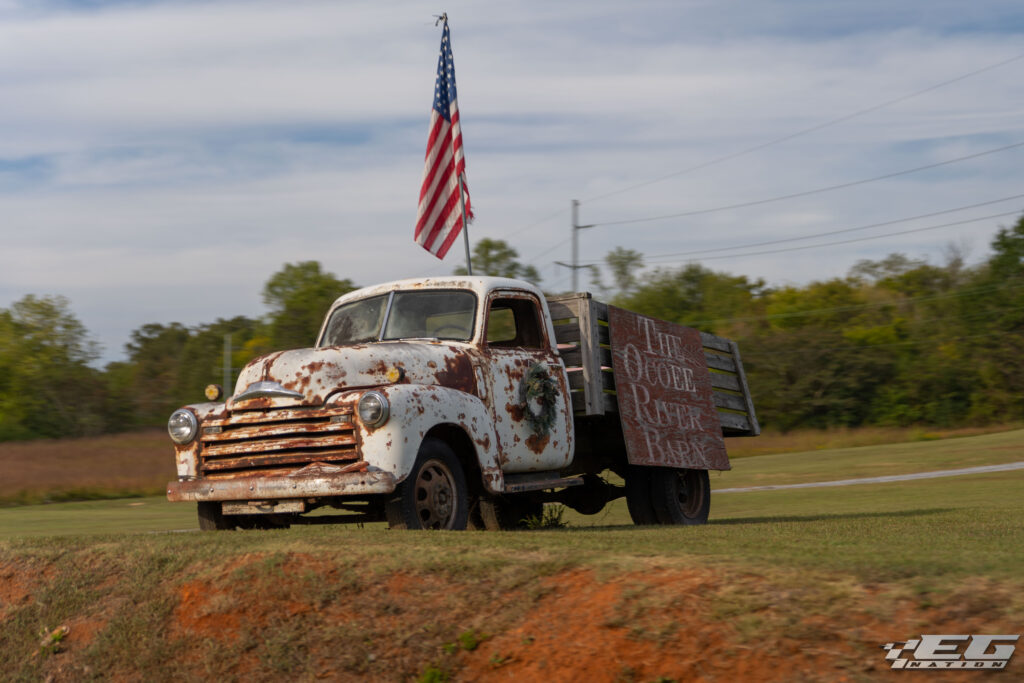
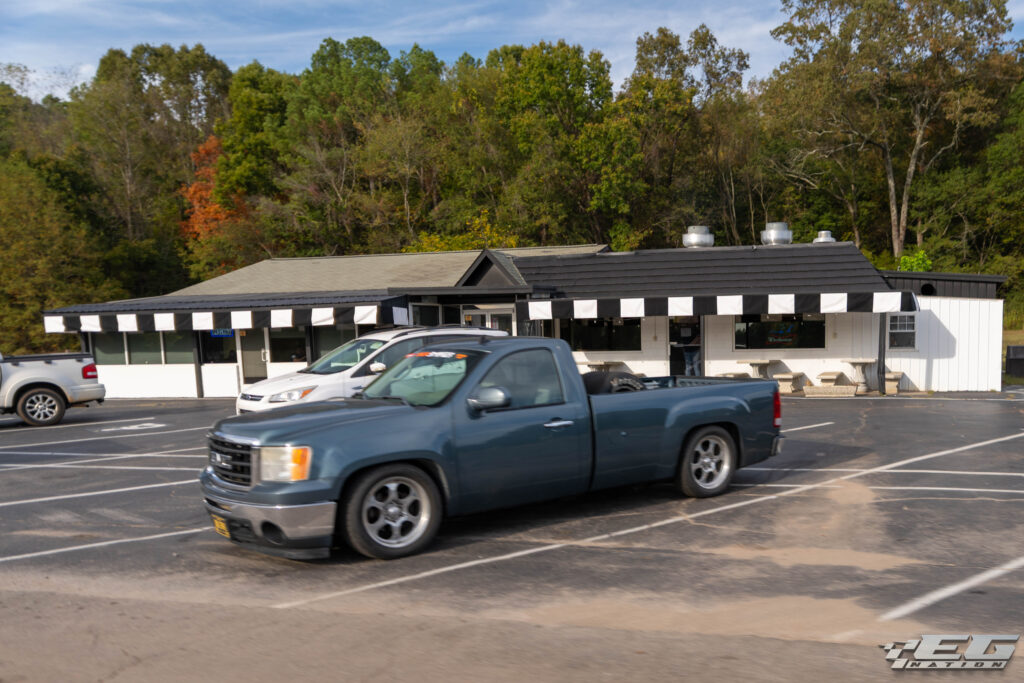
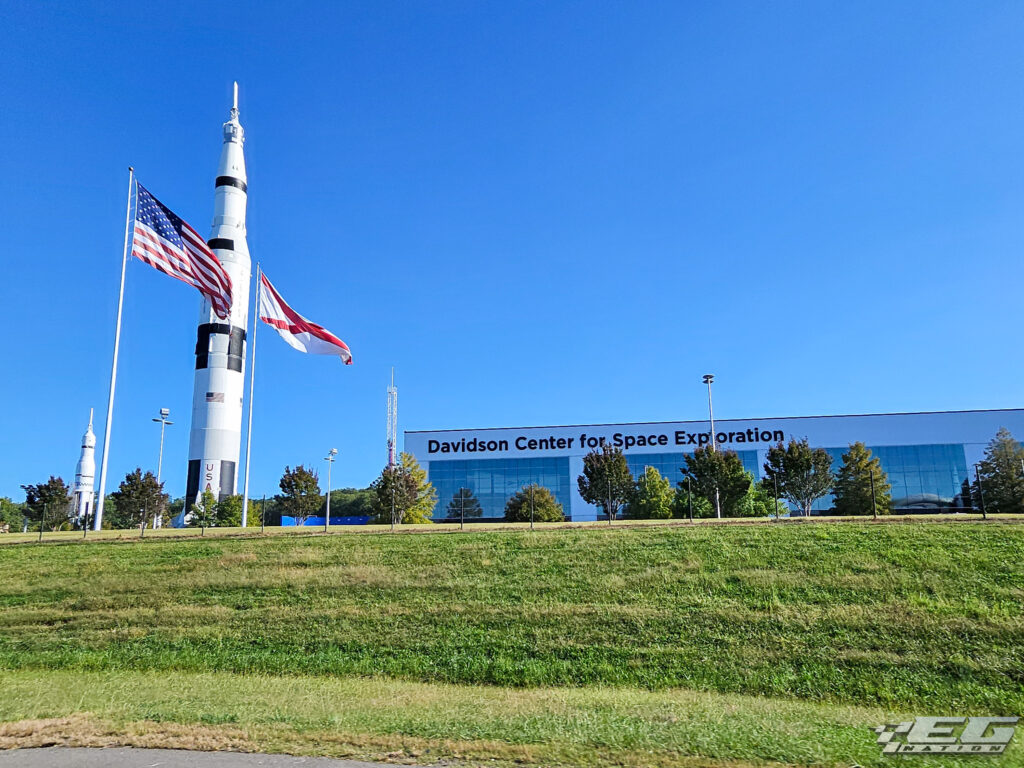
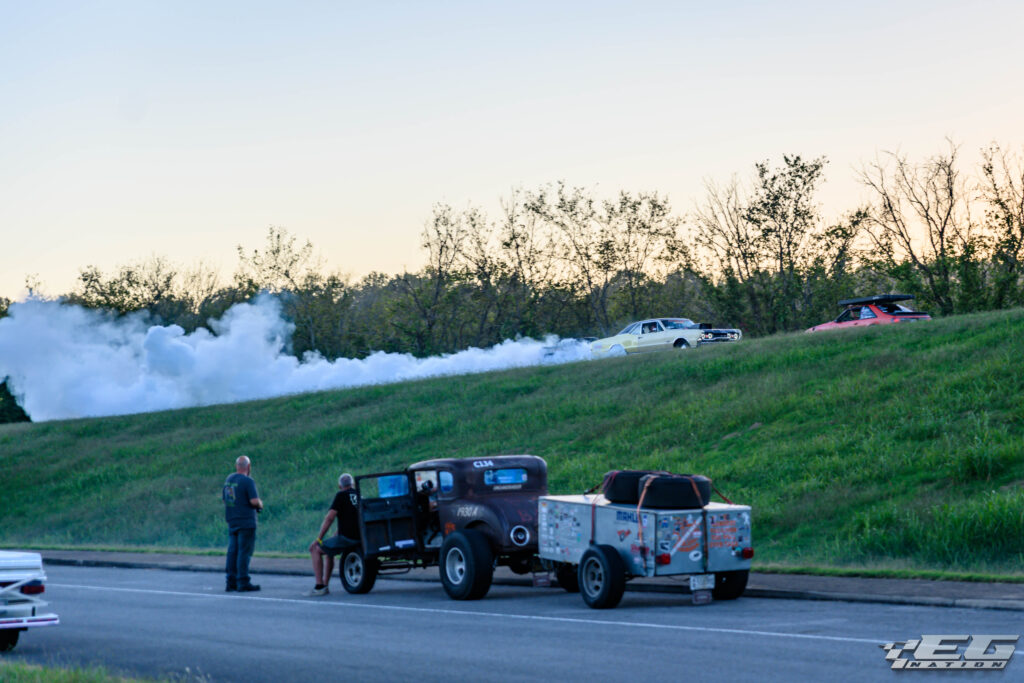
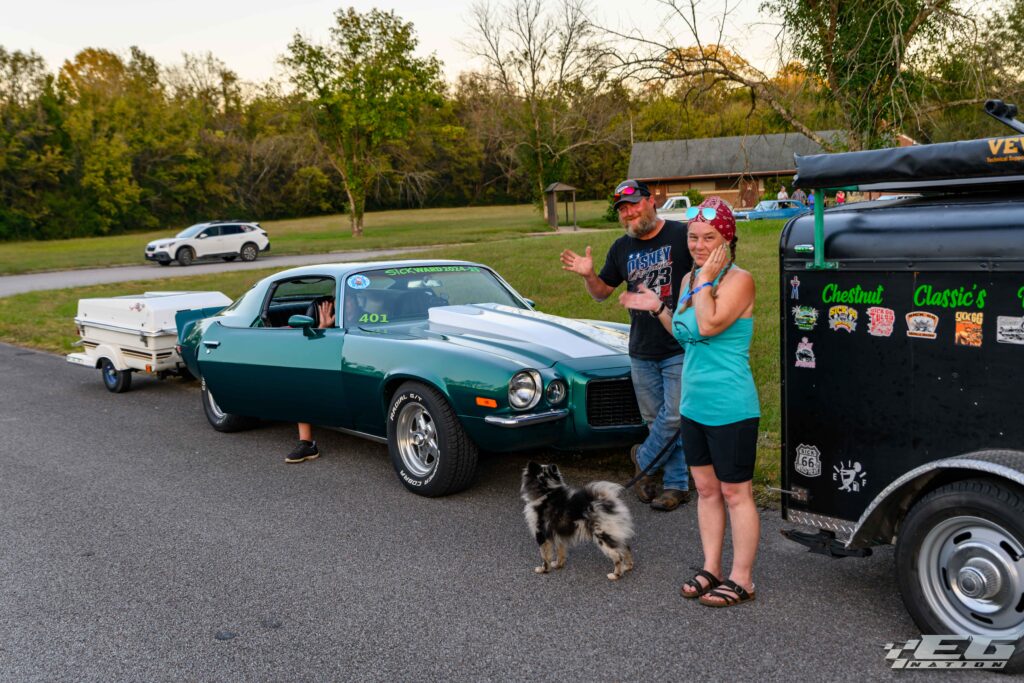
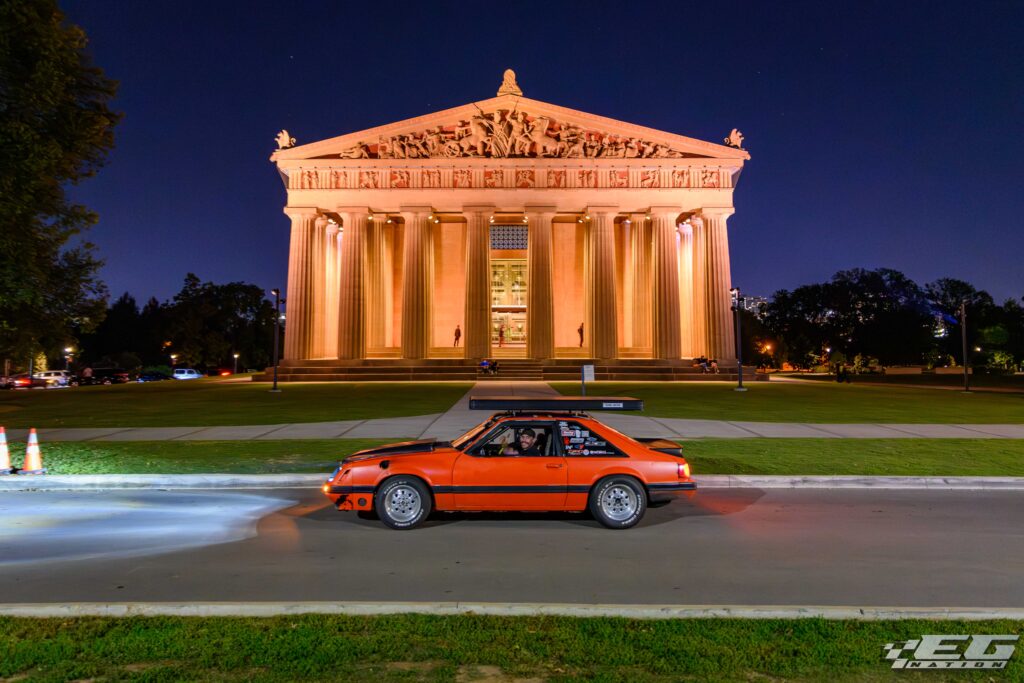
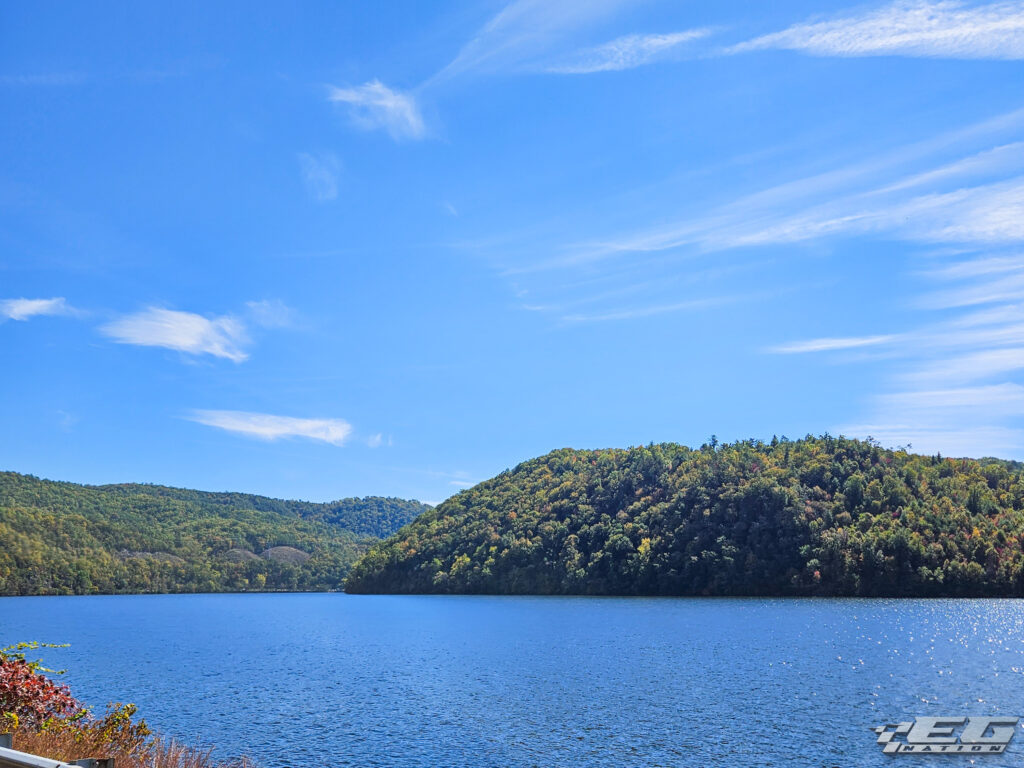
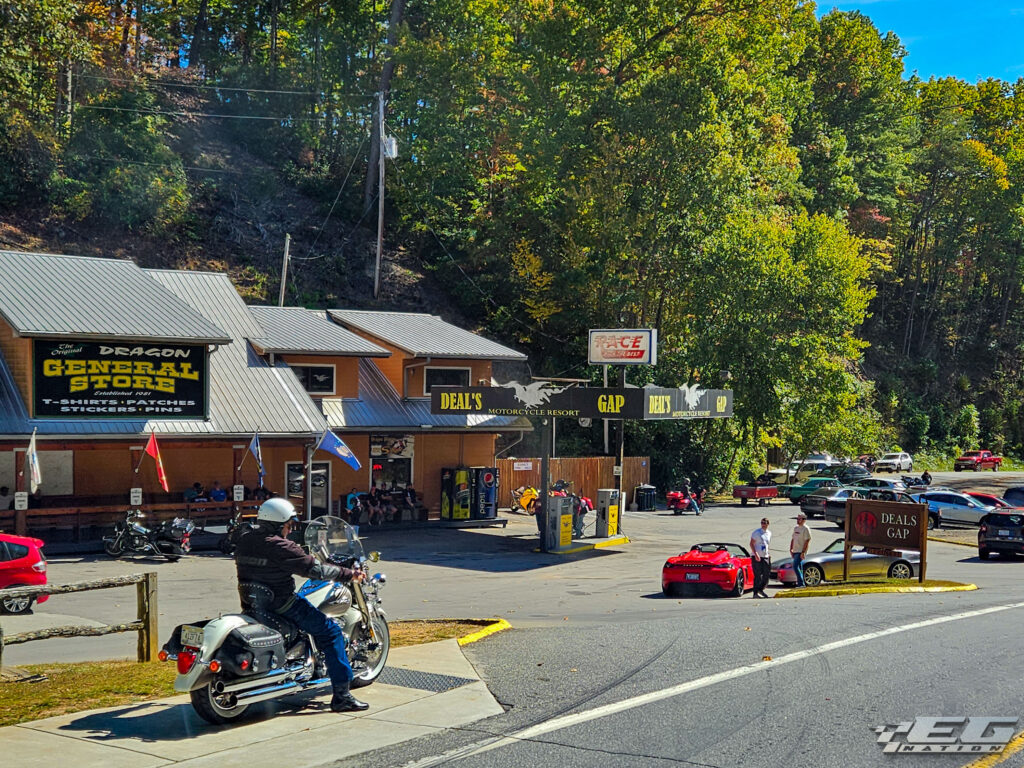
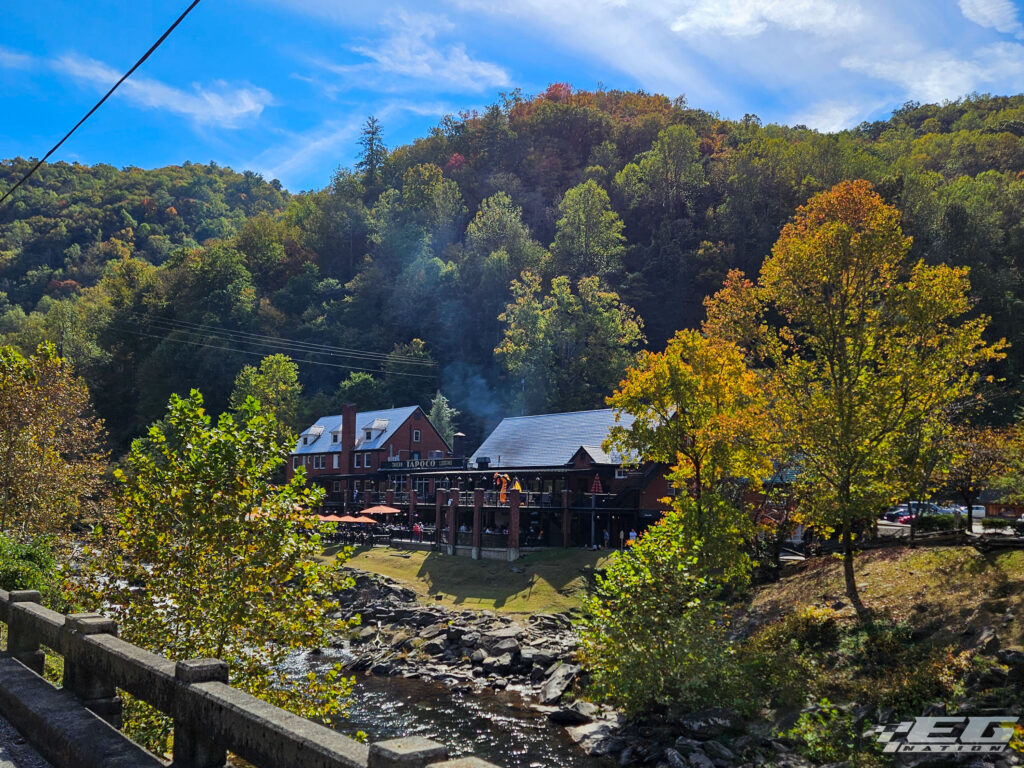
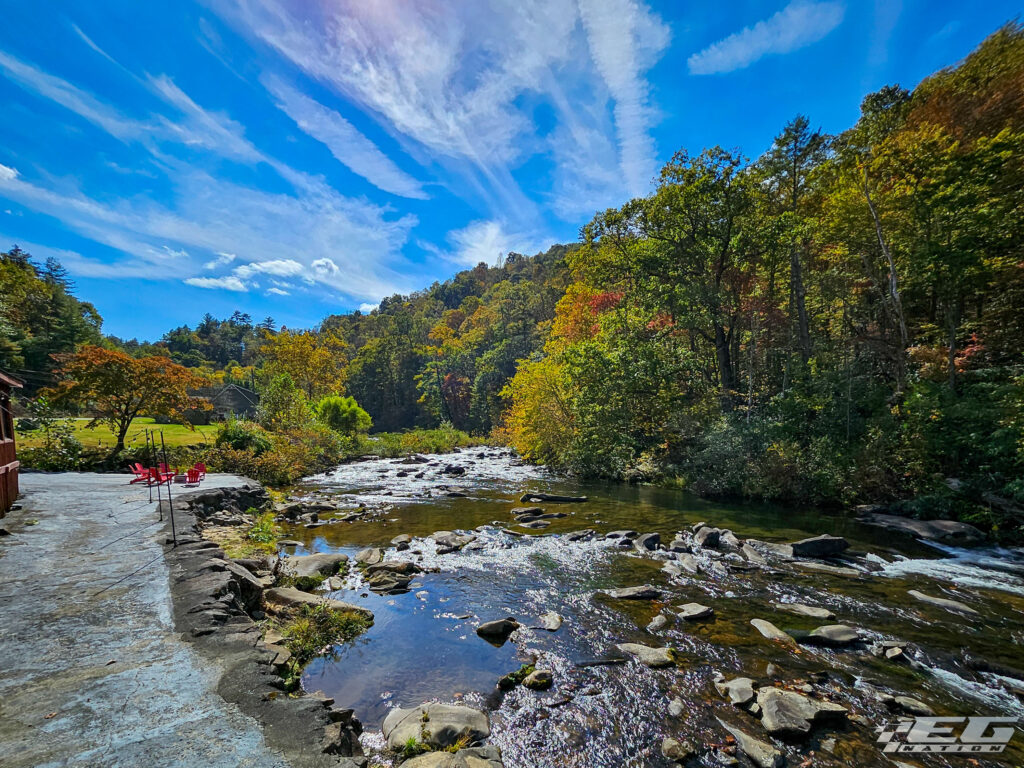
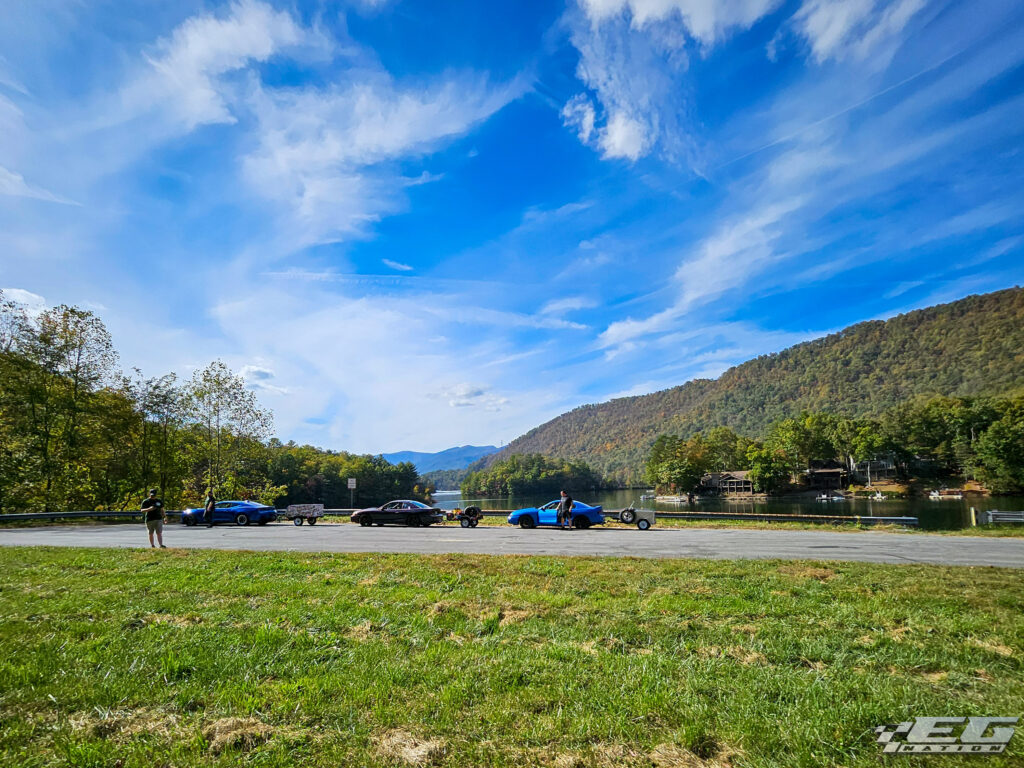
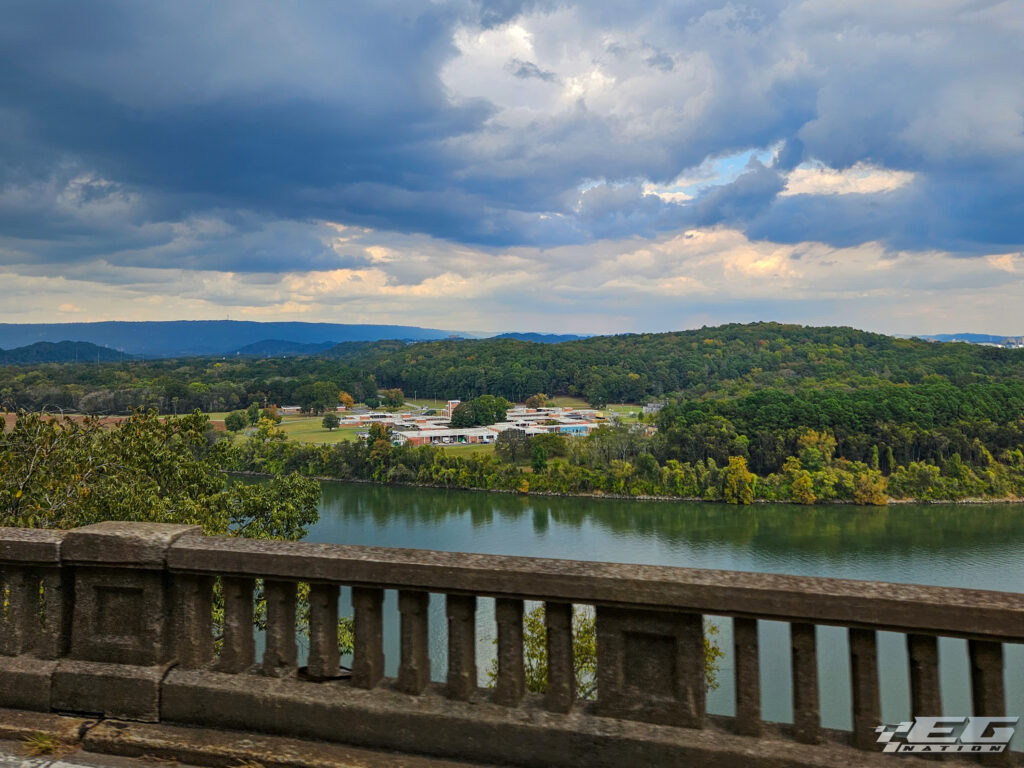
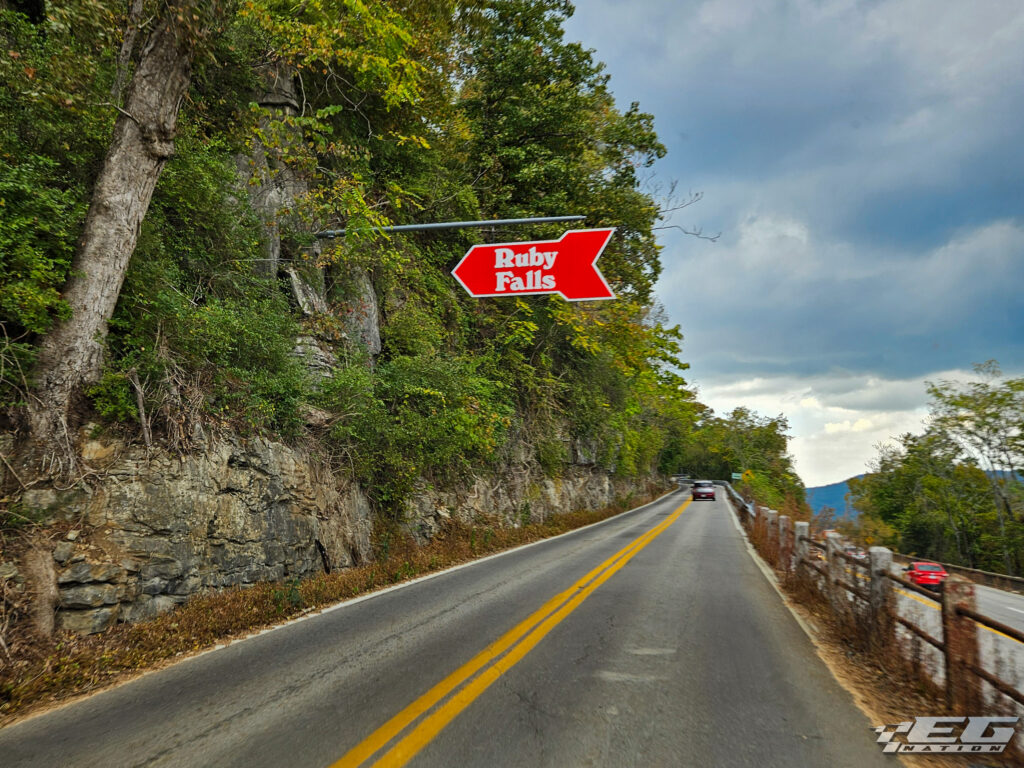
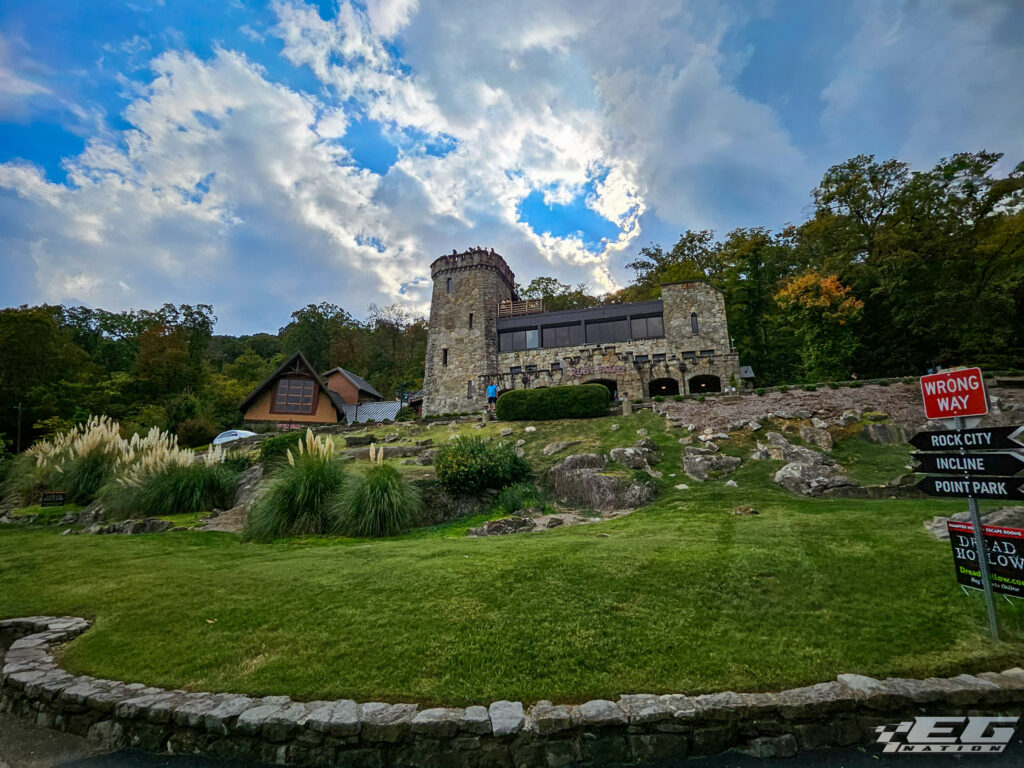
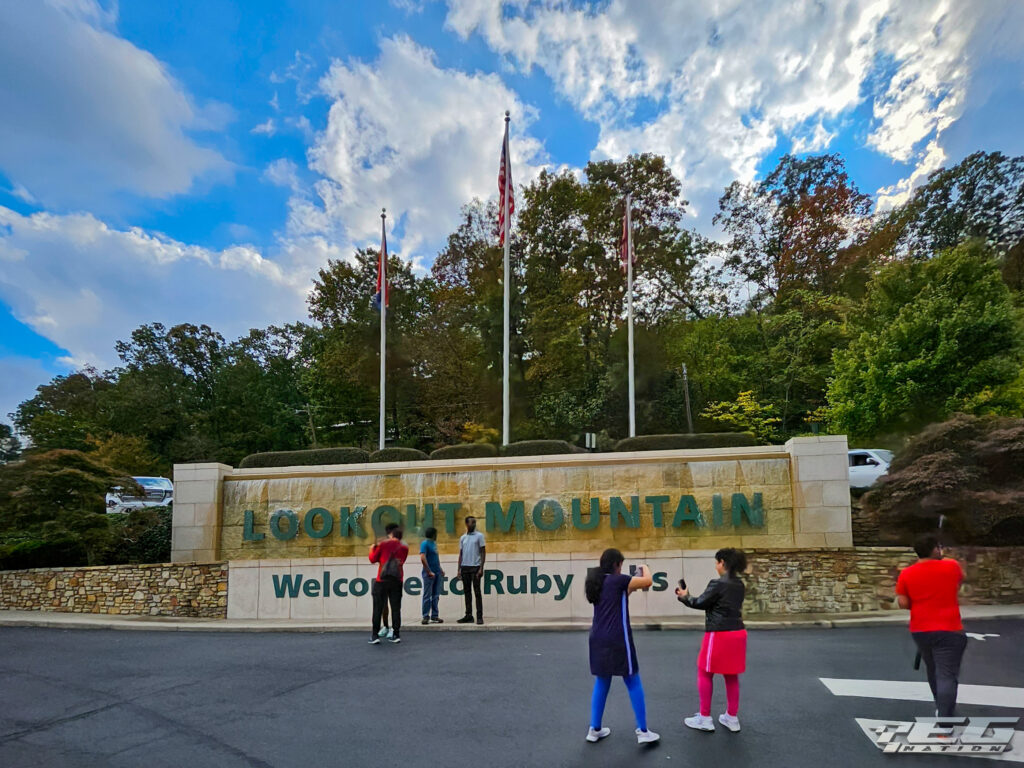
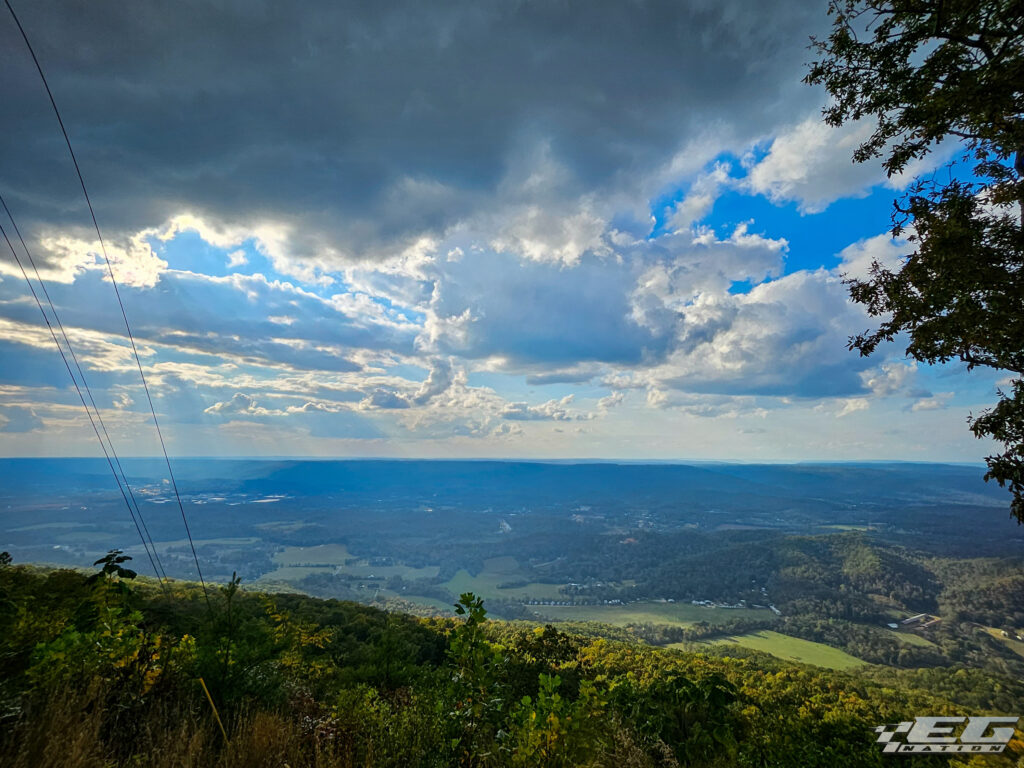
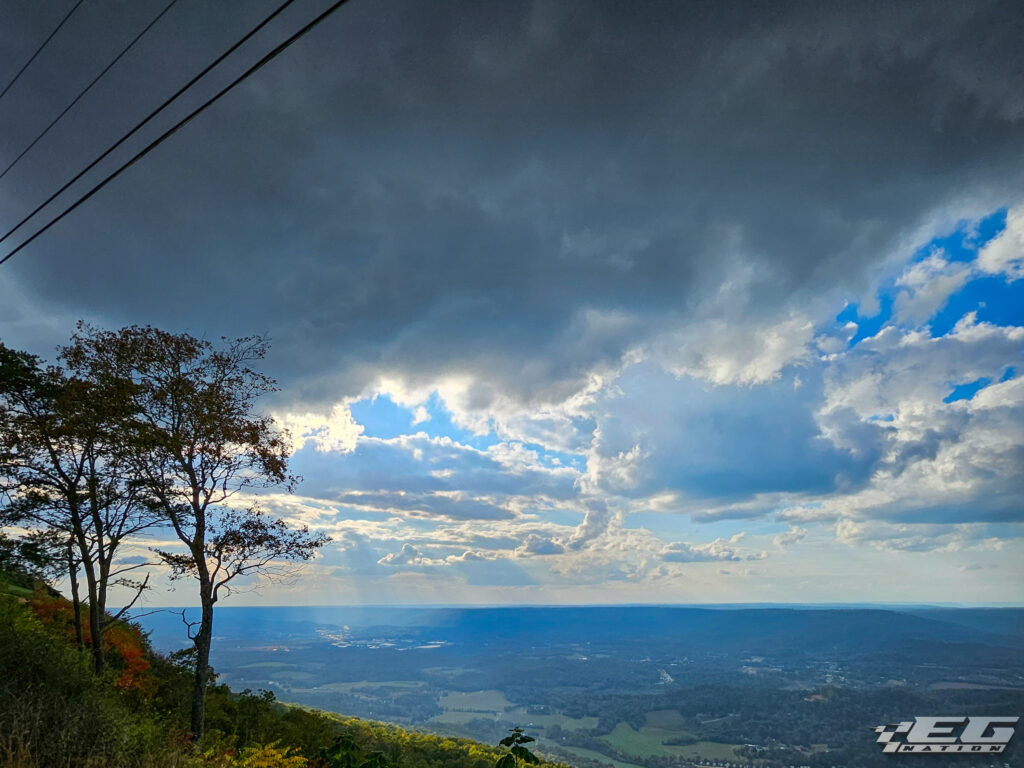
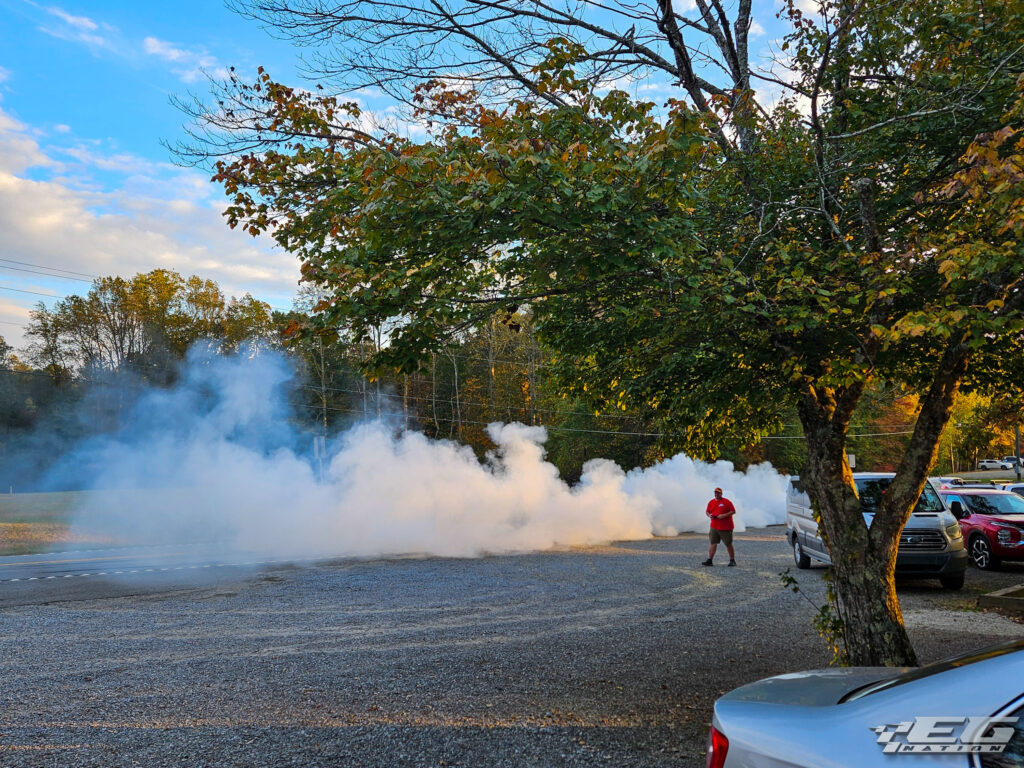
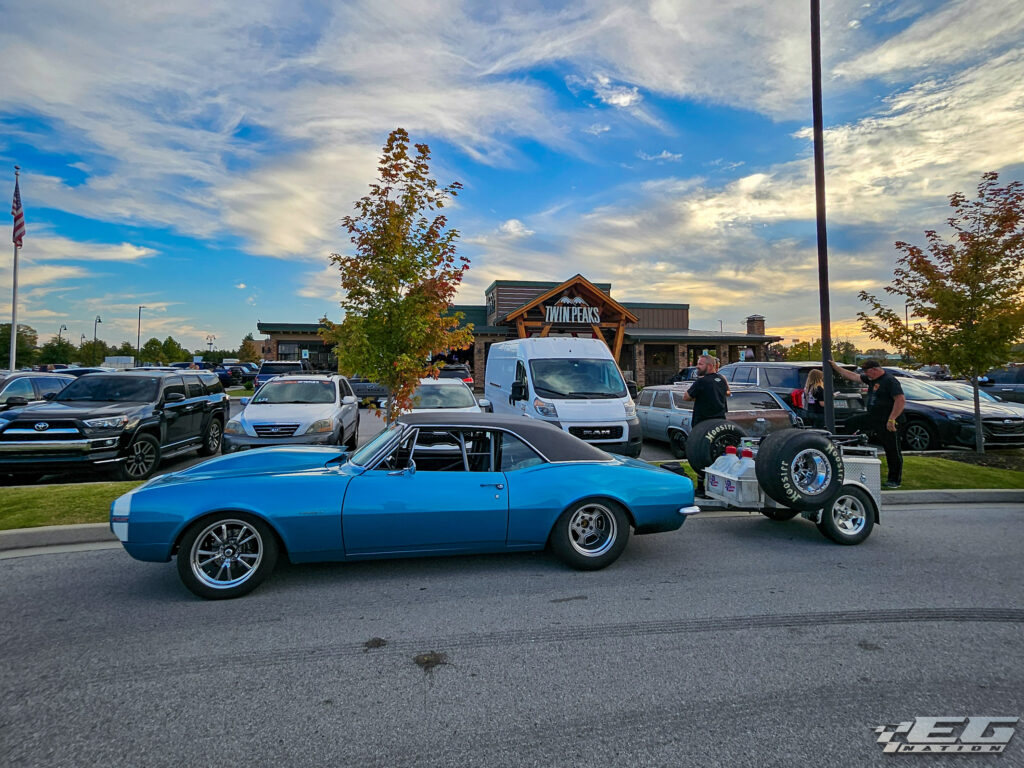
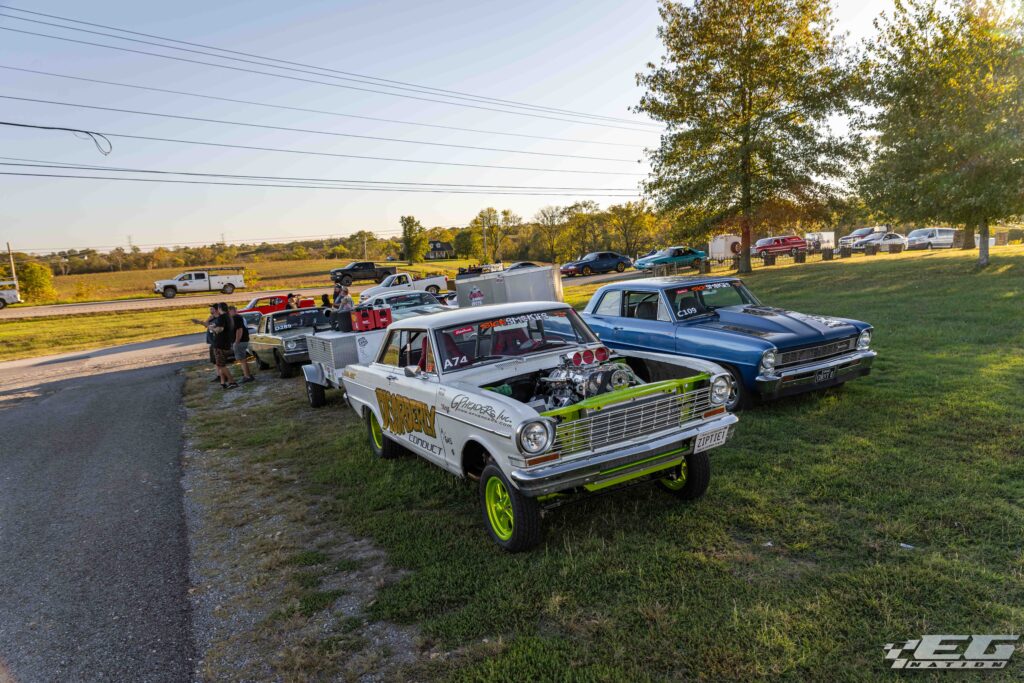
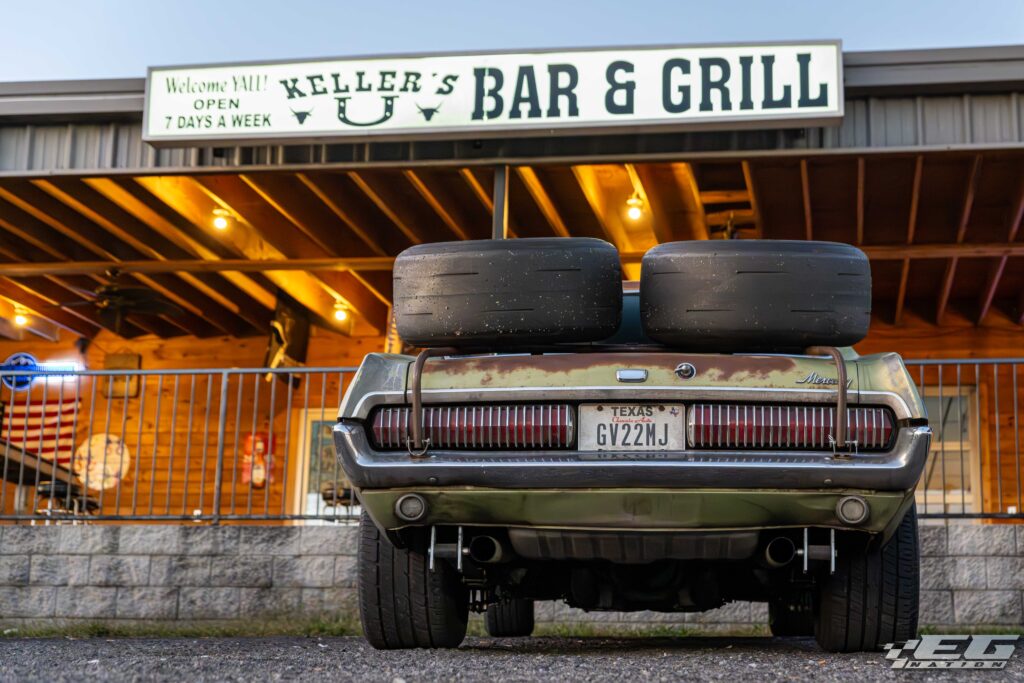
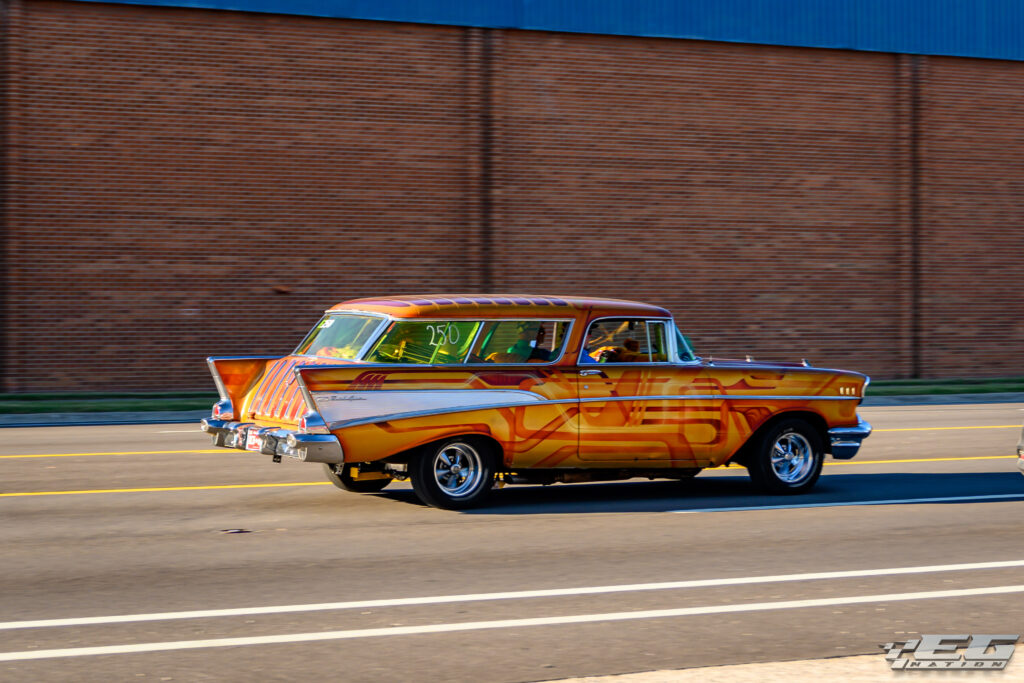
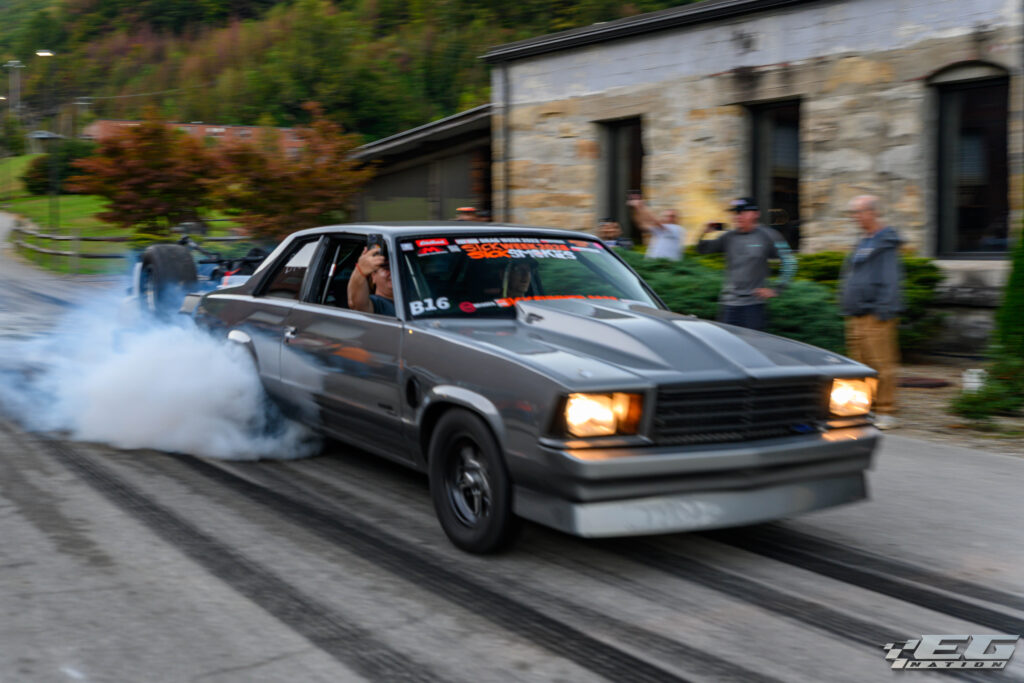
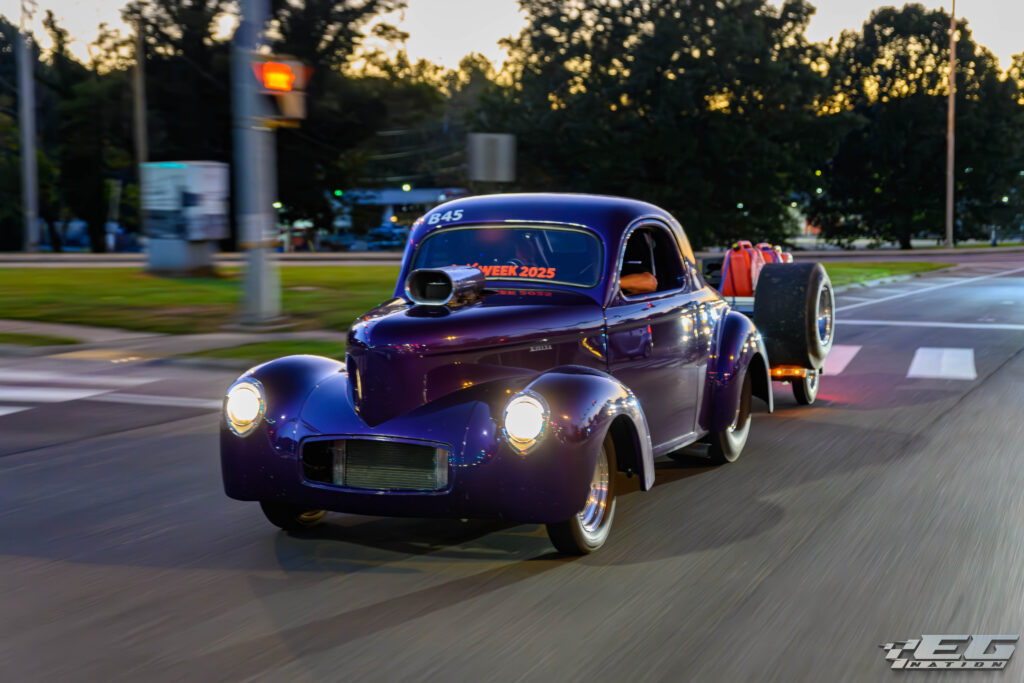
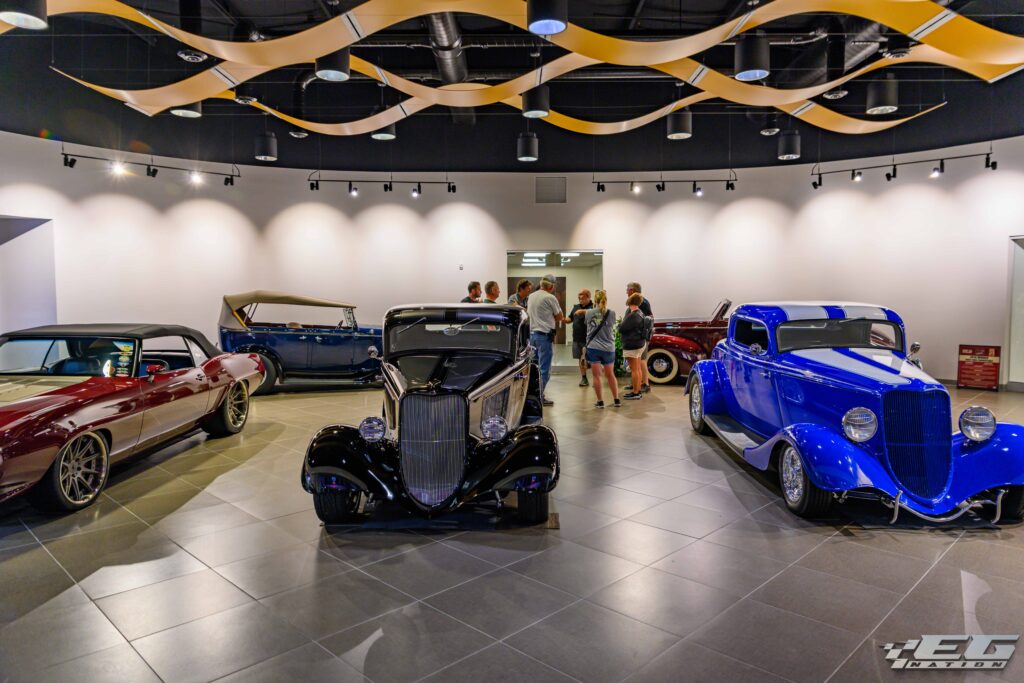
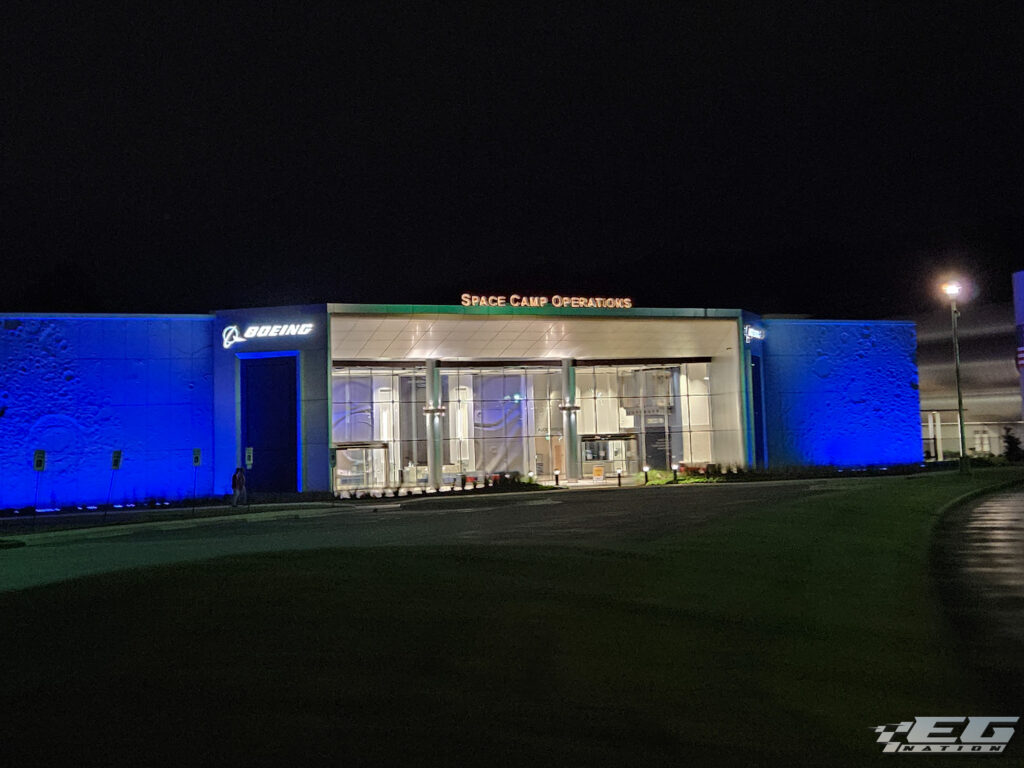
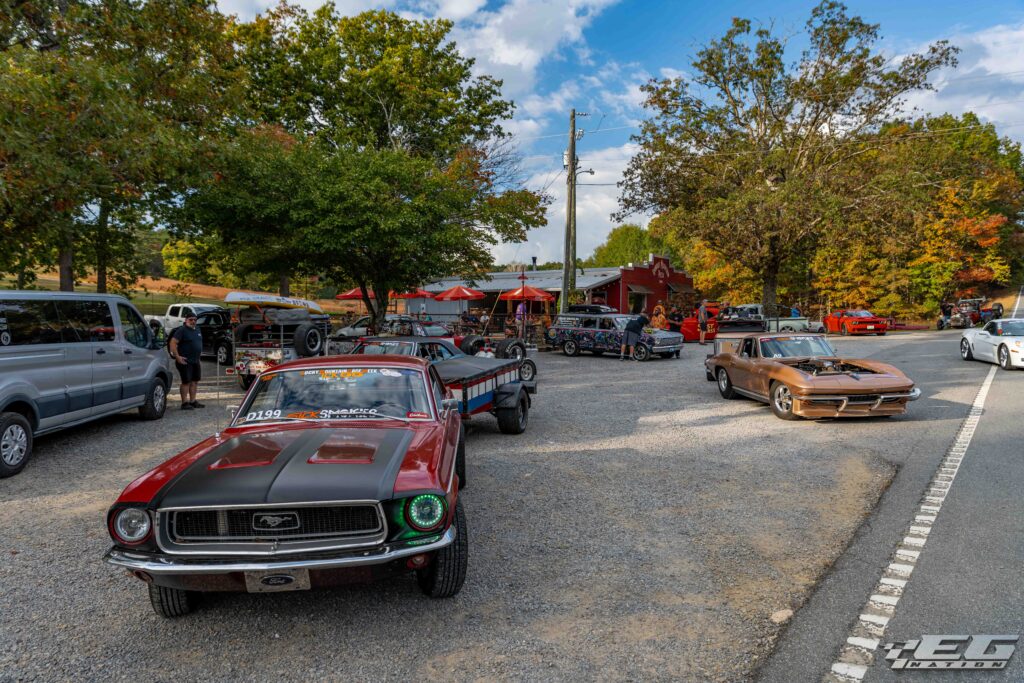
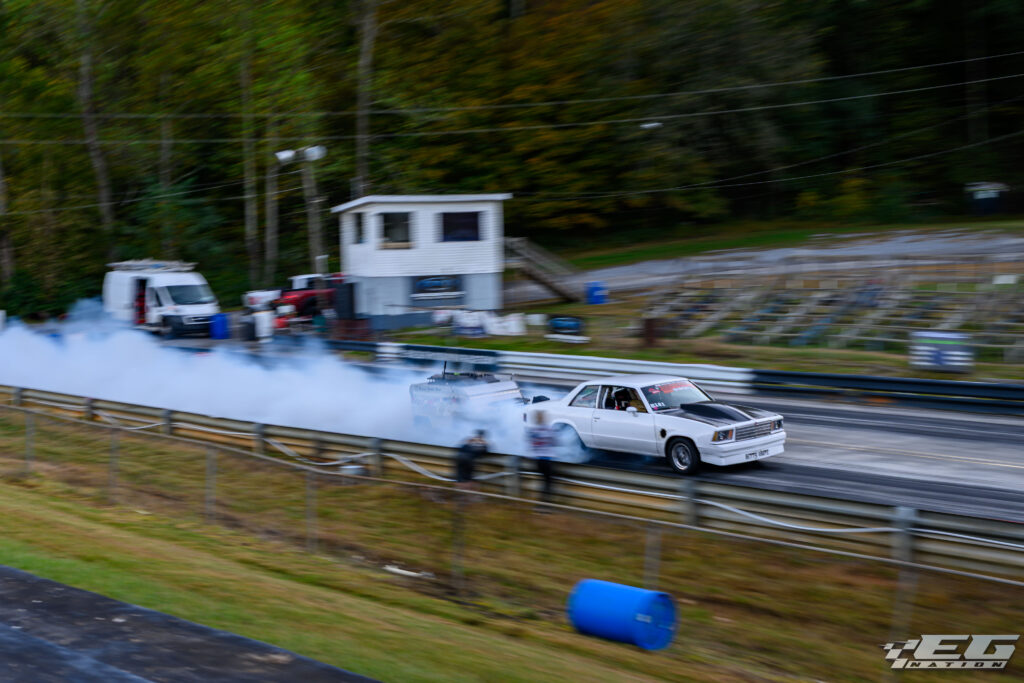
Outside the track gates, Sick Smokies delivered iconic moments. Some twisting mountain roads tested cooling systems, brakes, and nerves. Scenic overlooks turned into pop-up car shows where onlookers could hear blower whine or turbo spool long before the cars arrived. There were so many epic photo opportunities that we could fill an entire photo album. Below is just a small taste of some of the scenery and checkpoint stops.
Why We Love Sick Smokies and Sick Events
Sick The Magazine has built something special with its mix of drag-and-drive competition, community-driven spirit, and just enough insanity to keep everyone coming back. Sick Smokies is like the Appalachian cousin to Sick Week — the same high-energy racing culture with a mountain twist, and a little more laid-back. Sick events perfectly capture what performance is all about: Ingenuity, Endurance, Friendship, and cars that absolutely rip! We’re proud to support the racers who choose our components to power their adventures, and Sick events are our type of people.
See You at Sick Week 2026
As the last passes were made and racers pointed their machines toward home, one thing was clear: Sick Smokies 2025 delivered the kind of moments we’ll be talking about for years. 2026 brings a new mix of Sick events, and we’re scheduled to be at all of them, including Sick Week starting Jan 31. EG Nation will be there with our camera ready to capture the action. Until then, keep wrenching and keep pushing the limits of your hot rod.